Công ty Hải Đức Bột với hơn 10 năm kinh nghiệm vận chuyển khí, cung cấp hệ thống‑thiết bị‑quạt gió và nhận dự án tổng thầu bột cả nước
When it comes to the efficient handling and transportation of sawdust particles, selecting the right method is crucial for maintaining productivity and ensuring operational safety. As a leading provider in the industry, Shandong HeadPowder Engineering Co., Ltd. specializes in delivering reliable solutions tailored to the unique needs of sawdust processing applications. This article explores various sawdust particle conveying methods, highlighting their advantages, applications, and how they contribute to seamless material handling processes.
1. Screw Conveyors for Sawdust Particle Transport
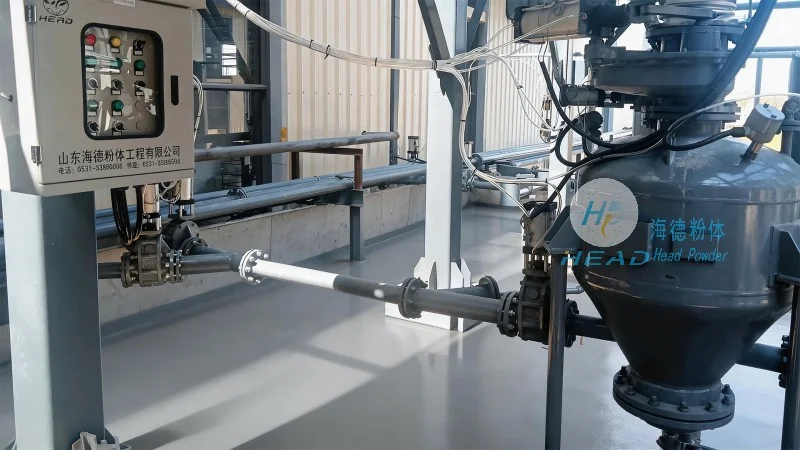
Screw conveyors, also known as auger conveyors, are a widely used method for transporting sawdust particles due to their simplicity and effectiveness. These systems consist of a rotating helical screw inside a cylindrical tube, which moves material along the length of the conveyor. The design allows for both horizontal and inclined transport, making screw conveyors versatile for various sawdust processing scenarios. For instance, in wood processing facilities, screw conveyors are commonly employed to move sawdust from collection points to storage or processing units. The smooth operation of screw conveyors ensures minimal material degradation, preserving the quality of sawdust for downstream applications. HeadPowder's screw conveyor solutions are engineered with durable materials and precise manufacturing to withstand the abrasive nature of sawdust, ensuring long-term reliability and low maintenance costs.
2. Pneumatic Conveying Systems for Sawdust
Pneumatic conveying, or air-powered transport, offers a flexible and efficient alternative for moving sawdust particles, especially in applications requiring long-distance or high-volume transport. This method utilizes compressed air to propel sawdust through a pipeline, eliminating the need for mechanical components at the material transfer points. Pneumatic systems are particularly advantageous in environments where dust control is critical, as they can be designed with sealed pipelines to prevent emissions. The flexibility of pneumatic conveying allows for complex route configurations, making it suitable for sawdust processing plants with multiple processing stages. HeadPowder's pneumatic conveying solutions include both positive and negative pressure systems, providing options for different sawdust characteristics and operational requirements. These systems are equipped with advanced controls to optimize air usage and maintain consistent material flow, enhancing overall efficiency.
3. Belt Conveyors in Sawdust Handling
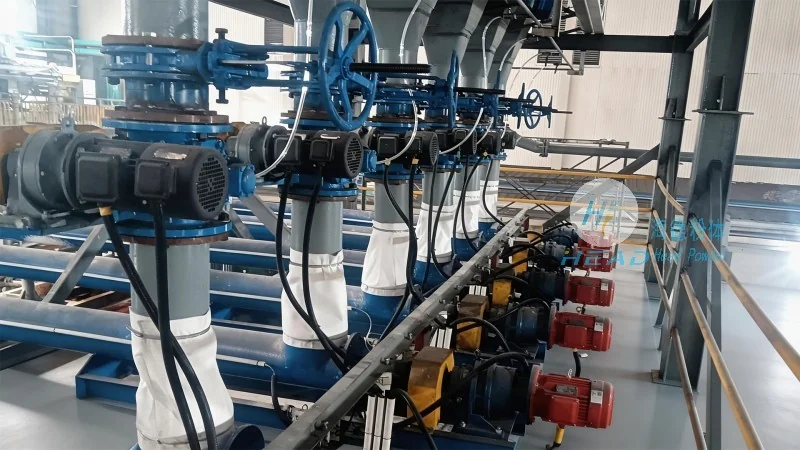
Belt conveyors are another common method for transporting sawdust particles, particularly in bulk material handling applications. These systems use a continuous belt to move sawdust along a fixed path, making them ideal for long-distance transport and high-capacity operations. Belt conveyors are often used in sawmills and wood processing facilities to transfer sawdust from one processing stage to another, such as from the sawing area to the drying or pelletizing units. The design of belt conveyors allows for easy integration with other equipment, enabling seamless material flow in production lines. HeadPowder's belt conveyor solutions are designed with heavy-duty belts and robust frame structures to handle the abrasive nature of sawdust, ensuring reliable performance even under heavy loads. The systems are also equipped with safety features, such as emergency stop mechanisms and overload protection, to ensure operational safety in industrial environments.
4. Hydraulic Conveying for Sawdust Particle Transport
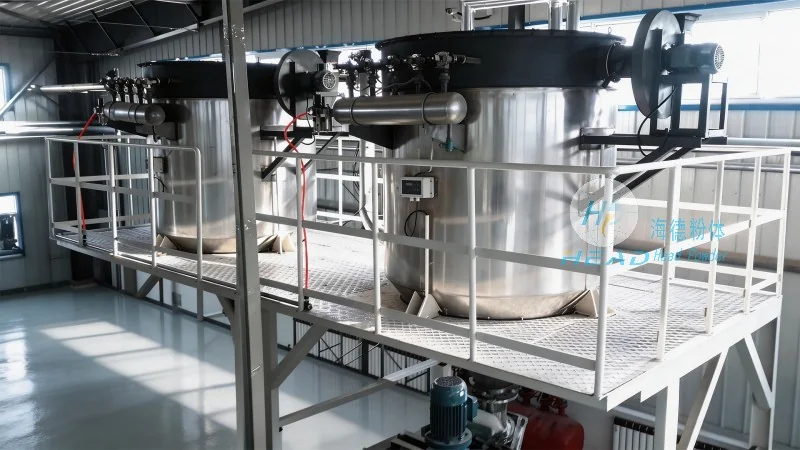
Hydraulic conveying systems utilize fluid power to transport sawdust particles, offering a high-capacity and low-maintenance solution for certain sawdust processing applications. These systems operate by pumping a liquid medium through a pipeline, which carries the sawdust along with it. Hydraulic conveying is particularly effective for handling large volumes of sawdust over long distances, as it can maintain consistent flow rates and pressure. The method is often used in large-scale sawdust processing facilities where high throughput is required. HeadPowder's hydraulic conveying solutions are engineered with durable components and advanced control systems to ensure efficient and reliable operation. The systems are designed to minimize fluid consumption and reduce maintenance requirements, making them a cost-effective option for long-term sawdust handling needs.
5. Combination Conveying Systems
In many sawdust processing operations, a single conveying method may not be sufficient to meet all the requirements. Combination conveying systems, which integrate multiple technologies, provide a comprehensive solution for transporting sawdust particles. These systems often combine screw conveyors, pneumatic components, or belt conveyors to create a flexible and efficient transport network. For example, a combination system might use a screw conveyor to move sawdust from a collection point to a pneumatic pipeline, which then transports it to the final processing unit. This approach allows for optimized material flow and reduced energy consumption. HeadPowder specializes in designing and manufacturing combination conveying systems tailored to the specific needs of each client. By integrating different technologies, these systems can adapt to varying sawdust characteristics and operational conditions, ensuring consistent performance and maximizing productivity.
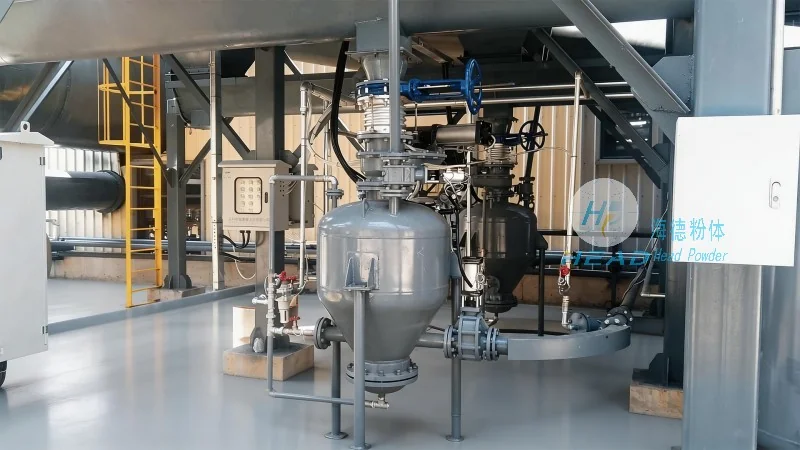
6. Factors to Consider When Choosing a Sawdust Conveying Method
When selecting a sawdust particle conveying method, several factors must be considered to ensure optimal performance and cost-effectiveness. The first factor is the material characteristics of the sawdust, including its size, moisture content, and abrasiveness. These factors influence the choice of conveyor type, as some methods are better suited for handling fine or moist sawdust than others. The second factor is the distance and volume of material to be transported. Longer distances or higher volumes may require more powerful systems, such as pneumatic or hydraulic conveyors. The third factor is the operational environment, including space constraints, dust control requirements, and safety considerations. For instance, in enclosed facilities, pneumatic or sealed belt conveyors may be preferred to minimize dust emissions. The fourth factor is the budget and maintenance requirements. Different conveying methods have varying costs and maintenance needs, and the choice should align with the client's financial and operational goals. HeadPowder provides expert consultation to help clients evaluate these factors and select the most suitable sawdust conveying method for their specific applications.
7. Conclusion: Selecting the Right Sawdust Conveying Method
Choosing the appropriate sawdust particle conveying method is essential for maintaining efficiency, safety, and cost-effectiveness in sawdust processing operations. Each method, including screw conveyors, pneumatic systems, belt conveyors, hydraulic conveyors, and combination systems, offers unique advantages and is suitable for different applications. By considering factors such as material characteristics, transport distance, operational environment, and budget, businesses can select the most effective conveying solution. Shandong HeadPowder Engineering Co., Ltd. offers a range of sawdust conveying solutions, including custom-designed systems tailored to the specific needs of each client. With their expertise and commitment to quality, HeadPowder helps businesses optimize their sawdust handling processes, ensuring reliable and efficient operation. Whether you need a simple screw conveyor or a complex combination system, HeadPowder provides the solutions to meet your sawdust processing requirements.

 Công ty TNHH Kỹ thuật Công trình Bột Hải Đức Sơn Đông
 156-6277-7102(Quản lý Trương)
  0531-83386006
  Quận Chương Khâu, Thành phố Tế Nam, Tỉnh Sơn Đông, Trung Quốc
Điện thoại
WeChatTư vấn
Lên đầu