Công ty Hải Đức Bột với hơn 10 năm kinh nghiệm vận chuyển khí, cung cấp hệ thống‑thiết bị‑quạt gió và nhận dự án tổng thầu bột cả nước
When it comes to the efficient and safe transportation of chlorinated polyethylene (CPE), understanding the appropriate methods is crucial for industries that rely on this versatile polymer. Chlorinated polyethylene is widely used in various applications due to its excellent chemical resistance, flexibility, and durability, making it essential to select the right transportation approach based on the specific requirements of the material and the destination.
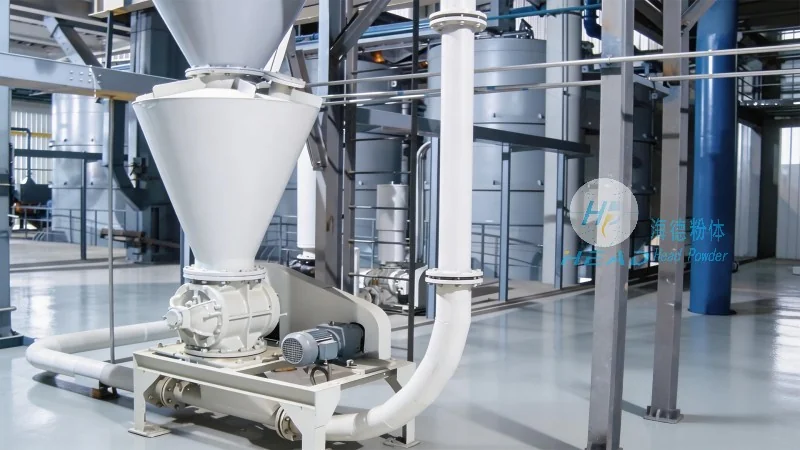
Overview of Chlorinated Polyethylene Transportation
Chlorinated polyethylene, a thermoplastic polymer derived from polyethylene with chlorine added to enhance its properties, is commonly transported in bulk quantities for industrial use. The choice of transportation method depends on factors such as the volume of material, distance, and the need for temperature control. Common methods include pipeline transport, pumping systems, and bulk transport via trucks or ships. Each method has its advantages and is suitable for different scenarios.
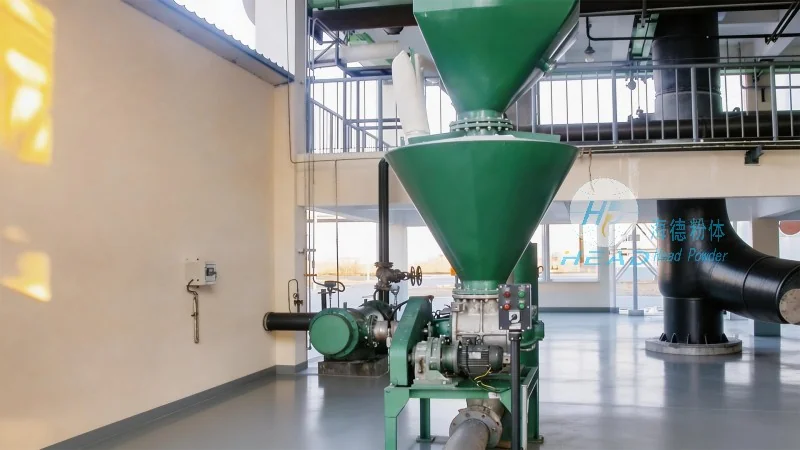
Pipeline Transport for Chlorinated Polyethylene
Pipeline transport is a highly efficient method for moving large volumes of CPE over long distances, particularly in industrial settings where the material is produced and consumed in the same region. This method involves pumping the CPE through a network of pipes, which can be made from materials like steel or specialized plastics to withstand the chemical properties of the polymer. The pipeline system allows for continuous and uninterrupted flow, reducing the risk of spills and ensuring consistent delivery. For companies like Shandong HeadPowder Engineering Co., Ltd., which specializes in the production and supply of CPE, pipeline transport is often integrated into their logistics network to optimize the supply chain.
Pumping Systems and Equipment
For smaller-scale or localized transportation, pumping systems are commonly used to move chlorinated polyethylene from storage tanks to processing facilities or distribution points. These systems typically include centrifugal pumps or positive displacement pumps, which are designed to handle the viscosity and chemical characteristics of CPE. The choice of pump depends on the specific properties of the material, such as its density and flow rate. Proper maintenance of the pumping equipment is essential to prevent clogging or damage, ensuring reliable operation. Companies like HeadPowder, with their expertise in CPE processing, often provide guidance on selecting the appropriate pumping systems to match the needs of their clients.
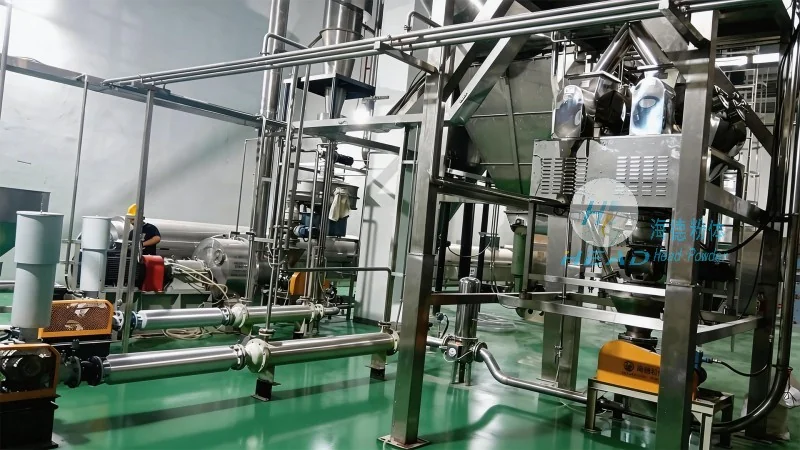
Bulk Truck and Rail Transport
Bulk truck and rail transport are practical options for transporting chlorinated polyethylene when pipeline infrastructure is not available or when moving the material over shorter distances. Trucks equipped with specialized tanks or containers are used to transport the material in bulk, ensuring that the product remains intact and free from contamination. Rail transport, using tank cars, is another option for long-distance movement, especially for large quantities. Both methods require careful handling to maintain the integrity of the CPE, as the material can be sensitive to temperature changes and physical stress. Shandong HeadPowder Engineering Co., Ltd., based in China, utilizes these transportation methods to deliver CPE to clients across the region, leveraging their experience in logistics and material handling.
Special Considerations for Chlorinated Polyethylene Transportation
When transporting chlorinated polyethylene, several factors must be considered to ensure safety and efficiency. Temperature control is critical, as CPE can become more viscous at lower temperatures, affecting flow rates. Proper insulation and heating systems may be required for pipelines or storage tanks. Additionally, the material should be stored and transported in containers that are compatible with CPE to prevent degradation or contamination. Companies like HeadPowder emphasize the importance of adhering to safety protocols, including proper labeling and handling procedures, to protect both personnel and the environment. By following these guidelines, industries can ensure the safe and effective transportation of chlorinated polyethylene, supporting the smooth operation of their processes.

 Công ty TNHH Kỹ thuật Công trình Bột Hải Đức Sơn Đông
 156-6277-7102(Quản lý Trương)
  0531-83386006
  Quận Chương Khâu, Thành phố Tế Nam, Tỉnh Sơn Đông, Trung Quốc
Điện thoại
WeChatTư vấn
Lên đầu