Công ty Hải Đức Bột với hơn 10 năm kinh nghiệm vận chuyển khí, cung cấp hệ thống‑thiết bị‑quạt gió và nhận dự án tổng thầu bột cả nước
When it comes to the efficient and safe transportation of calcium carbide powder, various methods are employed in industrial settings. The choice of conveying method depends on factors such as the material's properties, the scale of operation, and the specific requirements of the application. In this article, we will explore the common methods used for calcium carbide powder conveying, highlighting the key considerations and advantages of each approach.
1. Screw Conveyors for Calcium Carbide Powder
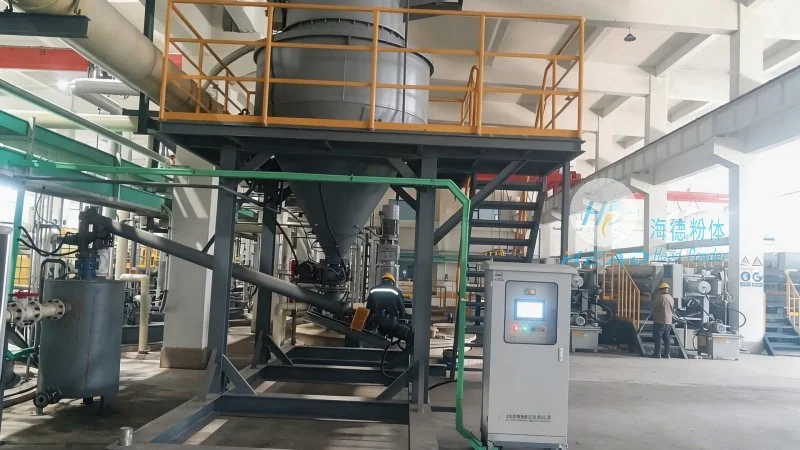
Screw conveyors, also known as auger conveyors, are widely used for the transport of calcium carbide powder due to their simplicity and effectiveness. These devices consist of a rotating screw inside a tube or trough, which moves the material forward through the system. The design of the screw, including its pitch and diameter, is tailored to the characteristics of calcium carbide powder, ensuring minimal degradation and optimal flow. For headpowder, a screw conveyor is often selected for its ability to handle the material in a closed system, preventing dust dispersion and maintaining a controlled environment. The smooth operation of screw conveyors also minimizes the risk of material segregation, which is crucial when dealing with calcium carbide powder that may have varying particle sizes.
2. Pneumatic Conveying Systems
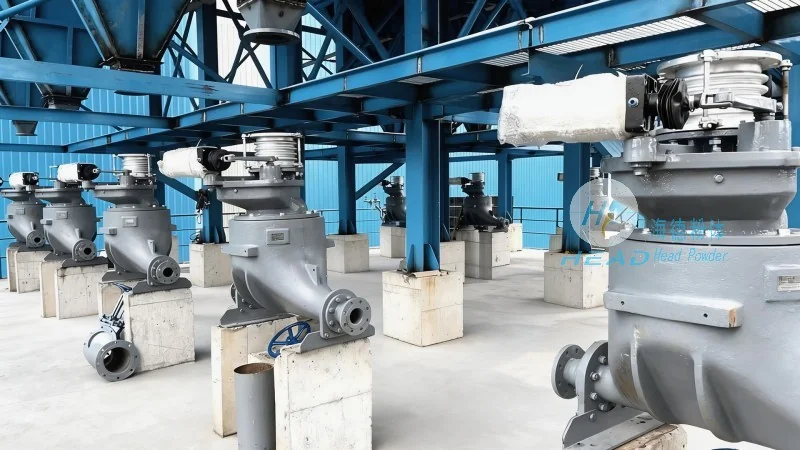
Pneumatic conveying systems utilize air or other gases to transport calcium carbide powder through a network of pipes. This method is particularly suitable for applications where the powder needs to be moved over long distances or through complex layouts. There are two main types of pneumatic conveying: pressure and vacuum systems. Pressure systems use compressed air to push the material forward, while vacuum systems create a negative pressure to draw the powder into the system. For calcium carbide powder, pressure systems are often preferred as they can handle larger quantities and maintain a consistent flow rate. The choice of conveying line material, such as stainless steel or plastic, is critical to prevent corrosion and ensure the longevity of the system. Pneumatic conveying also offers the advantage of being able to transport the powder in a closed loop, reducing the risk of exposure to the environment and improving safety in the workplace.
3. Belt Conveyors in Calcium Carbide Powder Handling
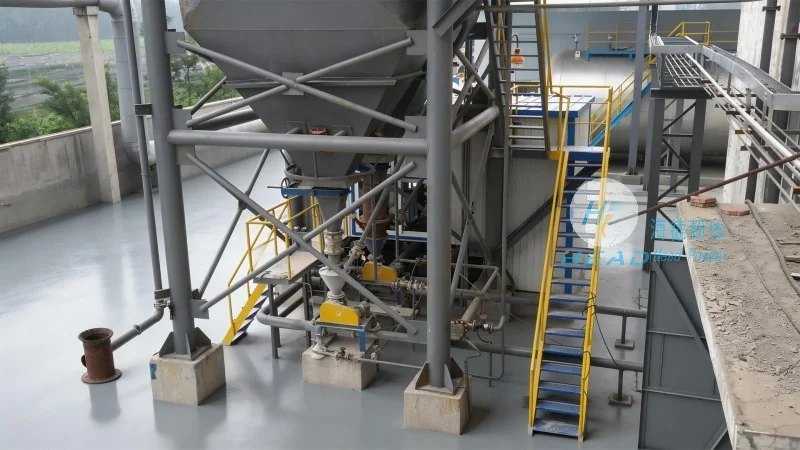
Belt conveyors are another common method for transporting calcium carbide powder, especially in bulk handling operations. These systems consist of a continuous belt that moves over rollers, carrying the material from one point to another. The design of the belt conveyor, including the type of belt material and the speed of operation, is optimized for calcium carbide powder to prevent material buildup and ensure smooth movement. For headpowder, belt conveyors are often used in conjunction with other equipment, such as hoppers and feeders, to create an integrated material handling system. The advantage of belt conveyors lies in their ability to handle large volumes of material efficiently and at a relatively low cost. However, proper maintenance is essential to prevent belt wear and ensure the system operates without interruptions. The use of appropriate belt cleaning mechanisms and regular inspections helps maintain the performance of the conveyor and prolong its service life.
4. Bucket Elevators for Vertical Conveying
For applications requiring vertical transport of calcium carbide powder, bucket elevators are an effective solution. These systems consist of a series of buckets attached to a chain or belt, which moves vertically along a casing. The buckets scoop up the powder at the bottom and discharge it at the top, providing a means of lifting the material to elevated levels. The design of the bucket elevator, including the bucket size and spacing, is tailored to the particle size and flow characteristics of calcium carbide powder. For headpowder, bucket elevators are often used in combination with other conveying equipment to create a complete material handling solution. The vertical movement of the material allows for efficient use of space and can be integrated into existing industrial layouts. The advantage of bucket elevators is their ability to handle both horizontal and vertical transport in a single system, reducing the need for multiple pieces of equipment. However, proper alignment and maintenance are crucial to prevent material spillage and ensure smooth operation.
5. Hydraulic Conveying Systems
Hydraulic conveying systems use water or other fluids to transport calcium carbide powder through a pipeline. This method is particularly useful for applications where the powder needs to be moved over long distances or through challenging terrain. The system typically consists of a pump that pressurizes the fluid, which then carries the powder along the pipeline. The design of the hydraulic system, including the pump capacity and pipeline diameter, is optimized for the specific characteristics of calcium carbide powder. For headpowder, hydraulic conveying is often considered for its ability to handle large quantities of material and maintain a consistent flow rate. The advantage of this method is its ability to transport the powder in a closed system, reducing the risk of dust exposure and improving safety. However, the system requires regular maintenance to prevent corrosion and ensure the fluid remains clean. The use of appropriate filtration and monitoring systems helps maintain the performance of the hydraulic conveyor and prolong its service life.
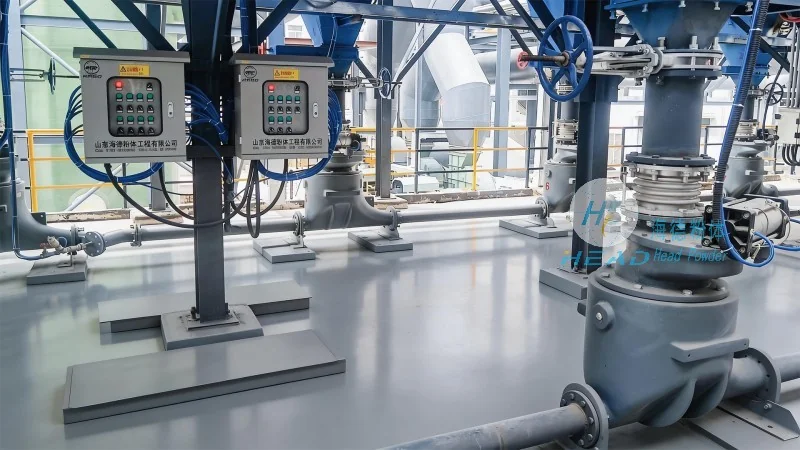
6. Specialized Conveying Solutions for Calcium Carbide Powder
In addition to the standard methods mentioned above, specialized conveying solutions may be required for specific applications involving calcium carbide powder. These solutions may include custom-designed equipment or modifications to existing systems to address unique challenges. For example, in some cases, a combination of screw and pneumatic conveying may be used to achieve optimal performance. The choice of specialized solution depends on factors such as the material's moisture content, the presence of impurities, and the specific operational requirements. For headpowder, working with experienced engineers and technicians is essential to develop a tailored conveying system that meets the needs of the application. The importance of proper material handling cannot be overstated, as improper conveying can lead to material degradation, equipment damage, and safety hazards. By selecting the appropriate conveying method and ensuring proper maintenance, industrial operations can achieve efficient and safe transport of calcium carbide powder.

 Công ty TNHH Kỹ thuật Công trình Bột Hải Đức Sơn Đông
 156-6277-7102(Quản lý Trương)
  0531-83386006
  Quận Chương Khâu, Thành phố Tế Nam, Tỉnh Sơn Đông, Trung Quốc
Điện thoại
WeChatTư vấn
Lên đầu