Công ty Hải Đức Bột với hơn 10 năm kinh nghiệm vận chuyển khí, cung cấp hệ thống‑thiết bị‑quạt gió và nhận dự án tổng thầu bột cả nước
Alumina crystals, a critical material in various industrial applications, require efficient and reliable transportation methods to ensure consistent quality and process stability. The choice of transport method depends on factors such as the crystal size, moisture content, and the specific requirements of the downstream processes. This article explores the primary methods used for alumina crystal transportation, highlighting the key considerations and advantages of each approach, with insights from Shandong HeadPowder Engineering Co., Ltd., a leading provider of bulk material handling solutions.
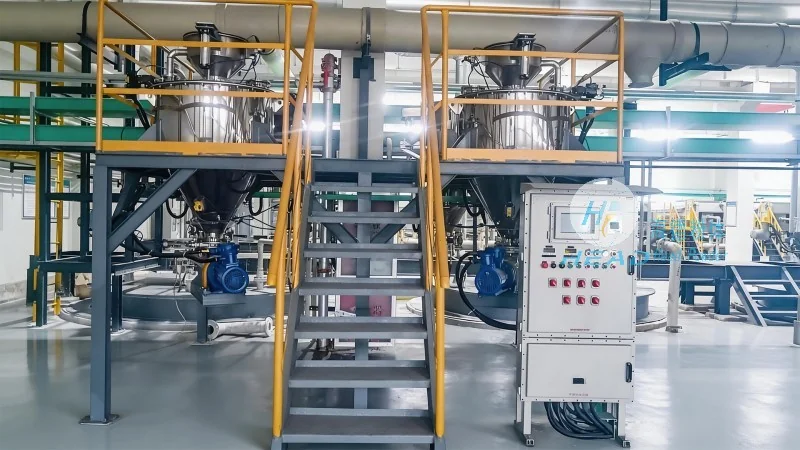
Key Factors Influencing Transport Method Selection
Before selecting a transport method for alumina crystals, several factors must be considered. The physical properties of the crystals, including their particle size distribution, shape, and density, play a significant role. For instance, fine-grained alumina crystals may require more gentle handling to prevent agglomeration or damage, which influences the choice of equipment. Additionally, the moisture content of the crystals is crucial, as high moisture levels can affect the effectiveness of certain transport systems, particularly those involving air or mechanical friction. The distance and layout of the production facility also impact the selection, as some methods are better suited for short-distance transport within a plant, while others are ideal for longer distances or between different facilities.
Common Transport Methods for Alumina Crystals
Several methods are commonly employed to transport alumina crystals, each with its own set of advantages and limitations. The most widely used approach is mechanical conveying, which includes equipment like screw conveyors, belt conveyors, and bucket elevators. Screw conveyors, for example, are effective for transporting bulk materials over short to medium distances, providing a continuous and controlled flow. They are particularly suitable for handling dry alumina crystals, as they minimize the risk of material degradation compared to air-based systems. Belt conveyors, on the other hand, are ideal for transporting larger or bulkier crystals, offering high capacity and durability. These systems can be customized with special belts to handle abrasive materials like alumina, ensuring long service life.
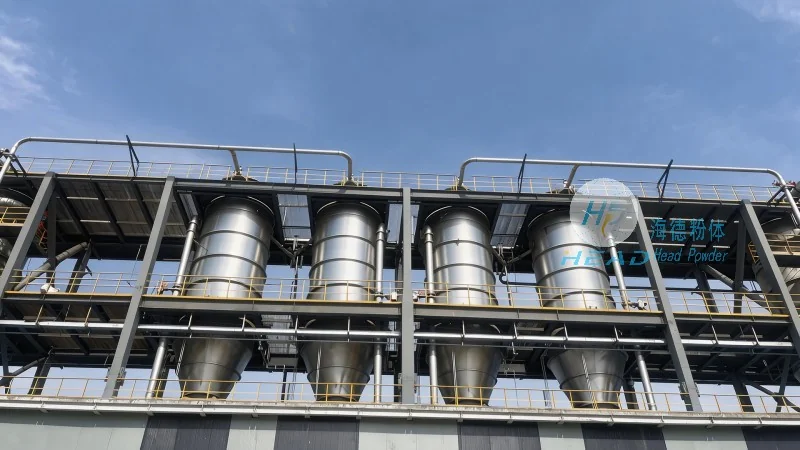
Another prevalent method is pneumatic conveying, or air transport, which uses compressed air to move crystals through a pipeline. This method is advantageous for long-distance transport and can handle fine powders without the need for additional equipment. However, it requires careful control of air pressure and flow rates to prevent material degradation or blockages. Pneumatic systems are often used in conjunction with other equipment, such as cyclones or filters, to separate the crystals from the air stream and maintain purity. The efficiency of pneumatic conveying depends on the particle size and moisture content of the alumina crystals, as larger or more moist particles may cause increased friction and energy consumption.
For applications requiring precise control over the flow rate and distribution of alumina crystals, rotary valves and feeders are commonly used. These devices regulate the discharge of crystals from storage silos or hoppers, ensuring a consistent and controlled feed to downstream processes. Rotary valves, in particular, are designed to handle dry bulk materials and can be adjusted to control the flow rate, preventing overloading or underfeeding of the process equipment. This method is essential for maintaining process stability and optimizing production efficiency.
Advantages and Considerations of Each Method
Each transport method for alumina crystals offers distinct advantages and considerations that must be evaluated based on the specific application. Mechanical conveying systems, such as screw and belt conveyors, are generally more cost-effective for short-distance transport and provide better control over the material's temperature and moisture content. They are also less susceptible to contamination from the air, making them suitable for high-purity applications. However, these systems may require more maintenance and have a higher initial investment compared to pneumatic methods.
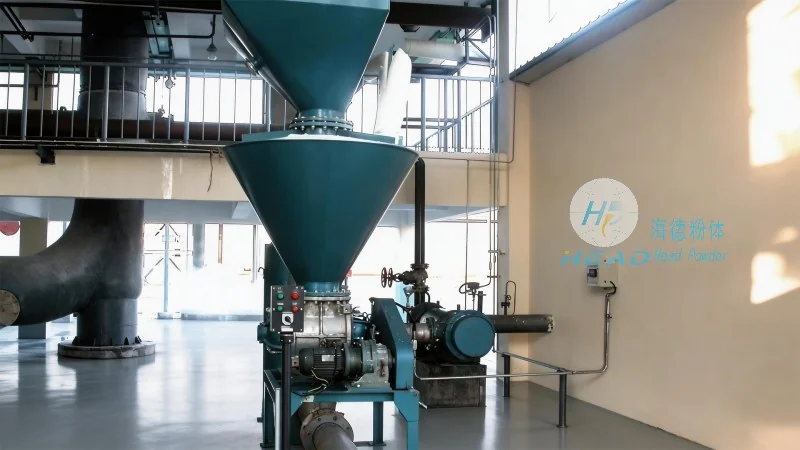
Pneumatic conveying, while offering flexibility for long-distance transport, can be more energy-intensive and may require additional equipment for material separation and cleaning. The risk of material degradation due to air friction or moisture absorption is also a concern, especially for fine-grained alumina crystals. Proper system design and maintenance are critical to mitigate these issues and ensure the integrity of the crystals.
Rotary valves and feeders provide precise control over the material flow, which is essential for processes that require consistent input. They are particularly useful in applications where the downstream equipment is sensitive to variations in feed rate, such as in chemical or pharmaceutical processes. However, these devices may have higher maintenance costs and can be prone to wear due to the abrasive nature of alumina crystals.
Conclusion
In conclusion, the selection of an appropriate transport method for alumina crystals is a critical decision that impacts the efficiency, cost, and quality of industrial processes. By considering the physical properties of the crystals, the distance of transport, and the specific requirements of the downstream processes, manufacturers can choose the most suitable method. Whether using mechanical conveyors, pneumatic systems, or rotary feeders, each approach has its own advantages and limitations. The key is to balance these factors to ensure reliable and efficient transport of alumina crystals, ultimately contributing to the overall success of the production operation.

 Công ty TNHH Kỹ thuật Công trình Bột Hải Đức Sơn Đông
 156-6277-7102(Quản lý Trương)
  0531-83386006
  Quận Chương Khâu, Thành phố Tế Nam, Tỉnh Sơn Đông, Trung Quốc
Điện thoại
WeChatTư vấn
Lên đầu