Công ty Hải Đức Bột với hơn 10 năm kinh nghiệm vận chuyển khí, cung cấp hệ thống‑thiết bị‑quạt gió và nhận dự án tổng thầu bột cả nước
When it comes to the handling and transportation of zinc powder, selecting the right conveying method is crucial for maintaining product quality, efficiency, and safety in industrial processes. Zinc powder, with its fine particle size and reactivity, requires specialized equipment and techniques to ensure smooth and reliable transport. This article explores the common methods used for zinc powder conveyance, highlighting the key considerations and applications of each approach.
1. Screw Conveyors for Zinc Powder Transport
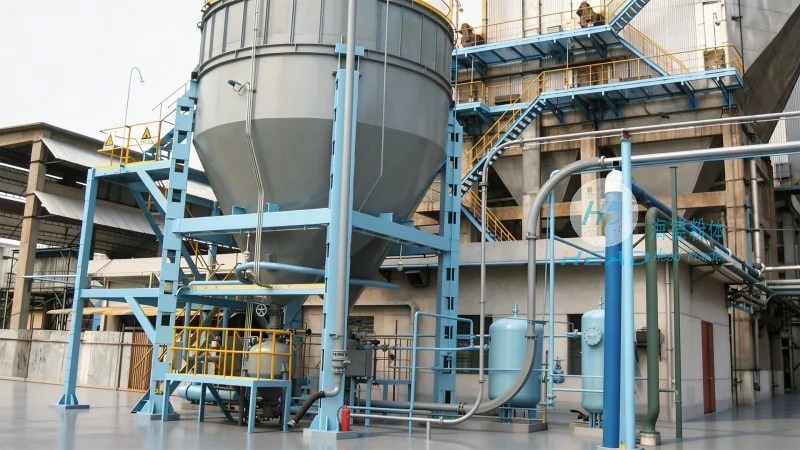
Screw conveyors, also known as auger conveyors, are widely used in the zinc powder industry due to their simplicity and effectiveness. These devices consist of a rotating helical screw blade inside a cylindrical tube, which moves material forward through the system. For zinc powder, screw conveyors are particularly suitable for horizontal or slightly inclined transport, as they can handle dry powders without the need for additional air or mechanical components. The design of the screw pitch and blade material is critical; for zinc powder, a smooth, corrosion-resistant material like stainless steel is often preferred to prevent particle degradation and equipment wear. Companies like Shandong HeadPowder Engineering Co., Ltd. (commonly known as headpowder) may offer customized screw conveyor solutions tailored to specific production volumes and powder characteristics. These systems can be integrated with dust collection and control measures to minimize environmental impact and ensure compliance with industrial standards.
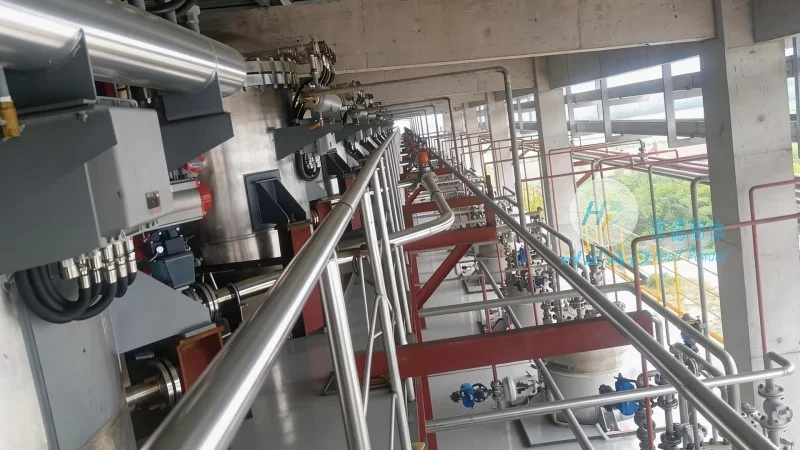
2. Pneumatic Conveying Systems
Pneumatic conveying, or air-based transport, is another common method for zinc powder handling. This technique uses compressed air to move the powder through a pipeline, either in a positive or negative pressure system. Positive pressure systems push the powder through the line using a blower, while negative pressure systems create a vacuum to draw the material. Pneumatic conveyors are advantageous for zinc powder because they can transport materials over longer distances and through multiple points of use without the need for multiple pieces of equipment. However, they require careful control of air pressure and flow rates to prevent particle segregation or blockages. The choice between dilute-phase and dense-phase pneumatic conveying depends on the powder's flowability and the desired transport efficiency. For example, dilute-phase systems are suitable for fine zinc powders that are free-flowing, while dense-phase systems are better for bulkier or more cohesive powders. Companies specializing in material handling, such as headpowder, may provide customized pneumatic conveying solutions that include filters, cyclones, and pressure regulators to ensure efficient and clean transport.
3. Vibrating Conveyors
Vibrating conveyors use mechanical vibration to move zinc powder along a trough or conveyor belt. These systems typically consist of a conveyor bed that is mounted on springs and driven by an electric motor with an unbalanced weight, creating a sinusoidal motion. The vibration helps to keep the powder in suspension and prevents it from settling or bridging in the conveyor. Vibrating conveyors are ideal for handling zinc powder that is prone to caking or has poor flow characteristics. They are also effective for inclined or vertical transport, as the vibration helps to overcome gravitational forces and maintain a consistent flow rate. The design of the conveyor's frequency and amplitude is crucial for optimizing performance; too much vibration can cause excessive wear on the equipment, while too little may result in inefficient transport. Companies like Shandong HeadPowder Engineering Co., Ltd. may offer vibrating conveyor systems with adjustable parameters to accommodate different zinc powder types and production requirements. These systems can be integrated with feeding and discharge mechanisms to ensure seamless material transfer between processes.
4. Bucket Elevators
Bucket elevators are vertical or inclined conveyor systems that use a series of buckets attached to a belt or chain to lift and transport zinc powder. This method is particularly useful for moving zinc powder from lower to higher levels in a facility, such as from a storage silo to a processing line. The buckets are filled at the bottom of the elevator and then travel upward, discharging the material at the top. Bucket elevators are known for their high capacity and ability to handle bulk materials, including zinc powder, with minimal dust generation. However, they require regular maintenance to ensure the buckets remain in good condition and the drive system operates smoothly. For zinc powder, the buckets are often made of corrosion-resistant materials like stainless steel or polyurethane to prevent wear and maintain product integrity. Companies specializing in material handling equipment may provide customized bucket elevator solutions that include variable speed drives and safety features to enhance operational efficiency and safety. These systems can be integrated with storage and processing equipment to streamline the overall zinc powder handling process.
5. Belt Conveyors
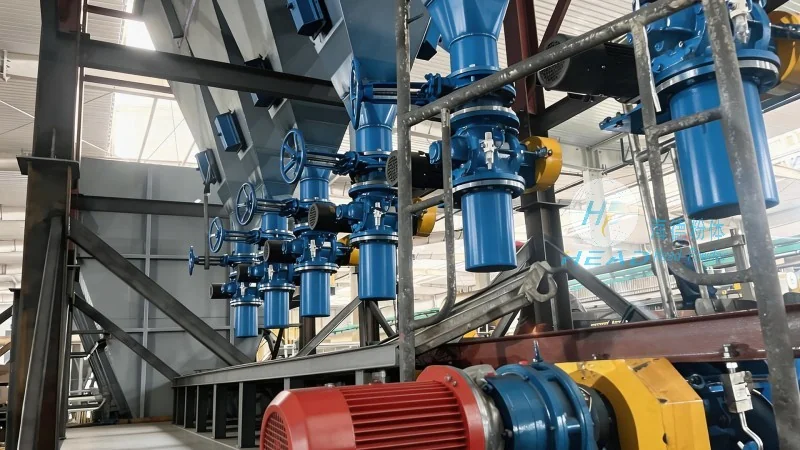
Belt conveyors are another common method for zinc powder conveyance, especially in applications where horizontal or slight incline transport is required over longer distances. These systems consist of a continuous belt that moves over rollers or idlers, carrying the zinc powder from one point to another. Belt conveyors are suitable for both dry and slightly wet zinc powders, as long as the material does not adhere excessively to the belt. The belt material and tension are critical factors in the design; for zinc powder, a smooth, non-stick surface like rubber or PVC is often used to prevent particle buildup and ensure easy cleaning. Companies like Shandong HeadPowder Engineering Co., Ltd. may offer customized belt conveyor systems with adjustable speeds and load capacities to meet specific production needs. These systems can be equipped with side guards, dust covers, and material feeders to enhance safety and efficiency. Belt conveyors are particularly effective for continuous production lines, where consistent and reliable transport of zinc powder is essential for maintaining production rates and product quality.

 Công ty TNHH Kỹ thuật Công trình Bột Hải Đức Sơn Đông
 156-6277-7102(Quản lý Trương)
  0531-83386006
  Quận Chương Khâu, Thành phố Tế Nam, Tỉnh Sơn Đông, Trung Quốc
Điện thoại
WeChatTư vấn
Lên đầu