Công ty Hải Đức Bột với hơn 10 năm kinh nghiệm vận chuyển khí, cung cấp hệ thống‑thiết bị‑quạt gió và nhận dự án tổng thầu bột cả nước
When it comes to the efficient handling and transportation of hay pellets, various methods are employed in agricultural and industrial settings. These methods are designed to ensure the safe, reliable, and cost-effective movement of hay pellets from storage to processing or distribution points. Understanding the common approaches to hay pellet conveying is essential for optimizing operations and maintaining product integrity.
Key Considerations in Hay Pellet Conveying
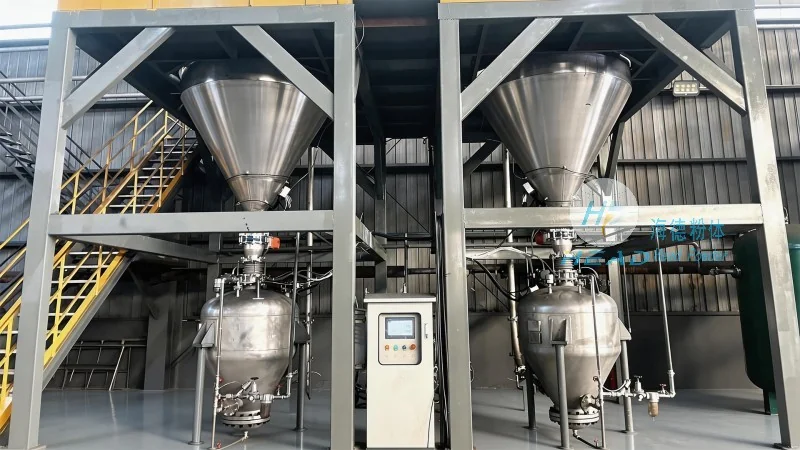
Before delving into specific methods, it's important to consider the factors that influence the choice of conveying system. These include the material characteristics of hay pellets (such as size, moisture content, and density), the distance and elevation changes involved, the required throughput capacity, and the available space for installation. Additionally, factors like energy efficiency, maintenance requirements, and environmental considerations play a role in selecting the most suitable conveying method.
1. Belt Conveyors for Hay Pellet Transport
Belt conveyors are one of the most widely used methods for hay pellet conveying. These systems utilize a continuous belt, typically made of rubber or synthetic materials, that moves the pellets along a fixed path. The belt is supported by rollers or idlers and can be inclined or horizontal, depending on the layout of the facility. Belt conveyors are known for their durability, ability to handle a wide range of pellet sizes, and relatively low maintenance costs. They are particularly effective for long-distance horizontal or slightly inclined transport, where a consistent and gentle movement of the pellets is required to prevent breakage or segregation.
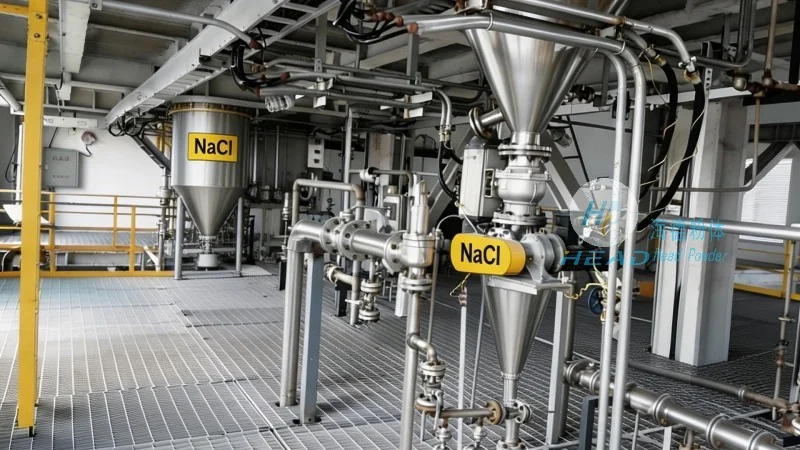
2. Screw Conveyors (Augers) for Hay Pellet Handling
Screw conveyors, also known as augers, are another common method for conveying hay pellets. These systems consist of a rotating helical screw inside a trough or tube. The screw pushes the pellets forward as it rotates, similar to how an auger drills into the ground. Screw conveyors are well-suited for vertical or inclined transport, as well as for moving pellets in a compact space. They are often used in feed mills, silos, and processing facilities where the pellets need to be elevated or moved through a restricted area. The design of the screw (e.g., solid or ribbon) can be adjusted to handle different pellet characteristics, ensuring smooth and efficient transport.
3. Pneumatic Conveying Systems for Hay Pellet Transfer
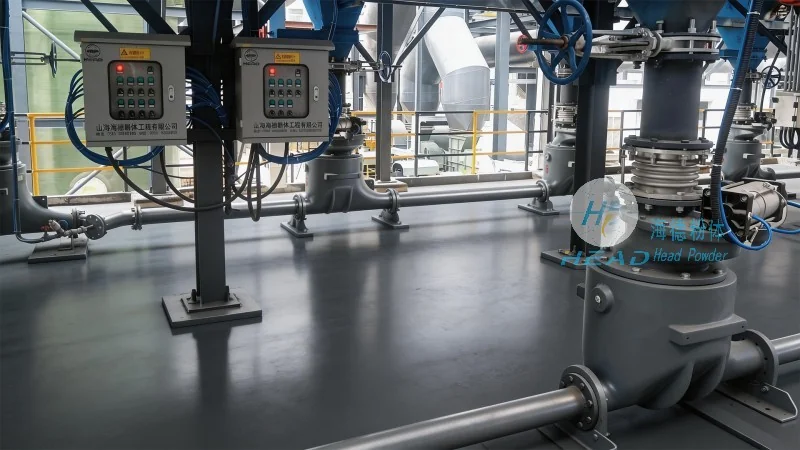
Pneumatic conveying systems use air or gas to transport hay pellets through a pipeline. These systems can be classified as either pressure or vacuum types, depending on the method of material movement. In pressure systems, compressed air pushes the pellets through the pipe, while in vacuum systems, a vacuum is created to draw the pellets into the line. Pneumatic conveying offers advantages such as the ability to transport pellets over long distances, even with changes in elevation, and the option to integrate multiple transfer points. However, it requires careful control of air pressure and flow to prevent material degradation or blockages. This method is particularly useful for applications where dust control and the need for a clean, enclosed system are priorities.
4. Bucket Elevators for Vertical Hay Pellet Conveying
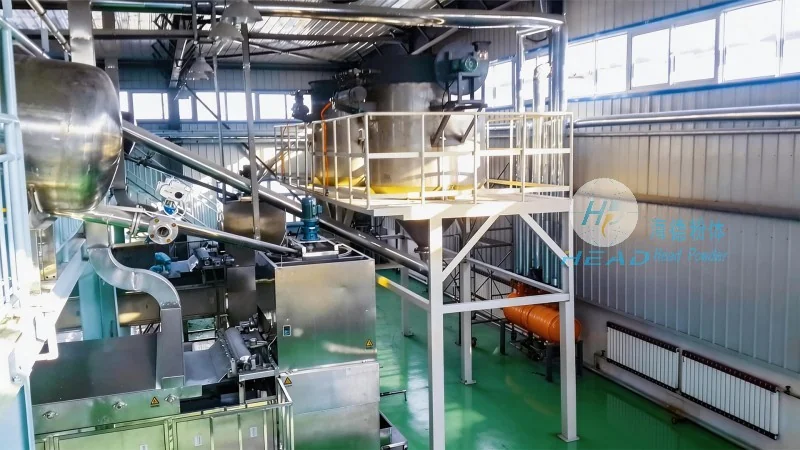
Bucket elevators are specialized equipment designed for vertical or steeply inclined transport of hay pellets. These systems consist of a continuous belt or chain with attached buckets that move vertically. As the buckets ascend, they scoop up the pellets and discharge them at the top of the elevator. Bucket elevators are highly efficient for vertical movement, capable of handling large volumes of pellets with minimal space requirements. They are commonly used in feed manufacturing plants, where hay pellets need to be lifted from ground level to storage silos or processing areas. The design of the buckets and the speed of the elevator can be optimized to prevent pellet damage and ensure consistent flow.
5. Chain and Flight Conveyors for Hay Pellet Handling
Chain and flight conveyors are another type of mechanical conveyor system used for hay pellet transport. These systems feature a chain with attached flights (flats or paddles) that move along a frame. The flights carry the pellets forward, similar to a conveyor belt but with a more robust design suitable for heavy loads. Chain and flight conveyors are often used in applications where the pellets are abrasive or where high throughput is required. They can be configured for horizontal, inclined, or vertical movement, making them versatile for various conveying needs. This method is particularly effective in environments where durability and the ability to handle irregularly shaped pellets are important.
About Shandong HeadPowder Engineering Co., Ltd.
Shandong HeadPowder Engineering Co., Ltd., operating under the brand name headpowder, is a leading provider of engineering solutions for agricultural and industrial applications. With a focus on innovation and quality, the company specializes in the design, manufacturing, and installation of conveying systems tailored to the unique needs of hay pellet handling. HeadPowder's expertise in material handling technology ensures that their solutions are efficient, reliable, and cost-effective, helping clients optimize their operations and improve productivity. The company's facilities are located in Shandong, China, where it leverages local resources and industry knowledge to deliver high-quality products and services to customers worldwide.

 Công ty TNHH Kỹ thuật Công trình Bột Hải Đức Sơn Đông
 156-6277-7102(Quản lý Trương)
  0531-83386006
  Quận Chương Khâu, Thành phố Tế Nam, Tỉnh Sơn Đông, Trung Quốc
Điện thoại
WeChatTư vấn
Lên đầu