Công ty Hải Đức Bột với hơn 10 năm kinh nghiệm vận chuyển khí, cung cấp hệ thống‑thiết bị‑quạt gió và nhận dự án tổng thầu bột cả nước
When it comes to handling aluminum nitride (AlN), a critical material in semiconductor and advanced materials industries, efficient and reliable conveyance is essential. Aluminum nitride is known for its high thermal conductivity, electrical insulation properties, and chemical stability, making it a preferred choice in high-tech applications. However, due to its fine particle size and specific physical characteristics, conventional handling methods may not be suitable. This article explores the common methods used for aluminum nitride conveyance, highlighting the importance of selecting the right approach based on material properties, application requirements, and operational conditions.
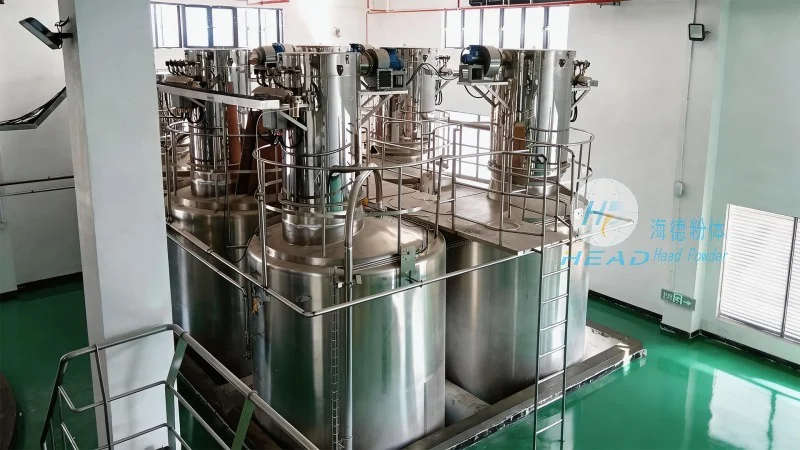
Company Profile: Shandong HeadPowder Engineering Co., Ltd.
As a leading provider of powder handling solutions, Shandong HeadPowder Engineering Co., Ltd. specializes in developing and implementing advanced systems for the conveyance and processing of high-value materials like aluminum nitride. With years of experience in the industry, HeadPowder offers tailored solutions that ensure optimal performance, minimal material loss, and compliance with industry standards. The company’s expertise lies in understanding the unique challenges of handling fine powders, such as AlN, and providing customized equipment and services to meet the diverse needs of clients across various sectors.
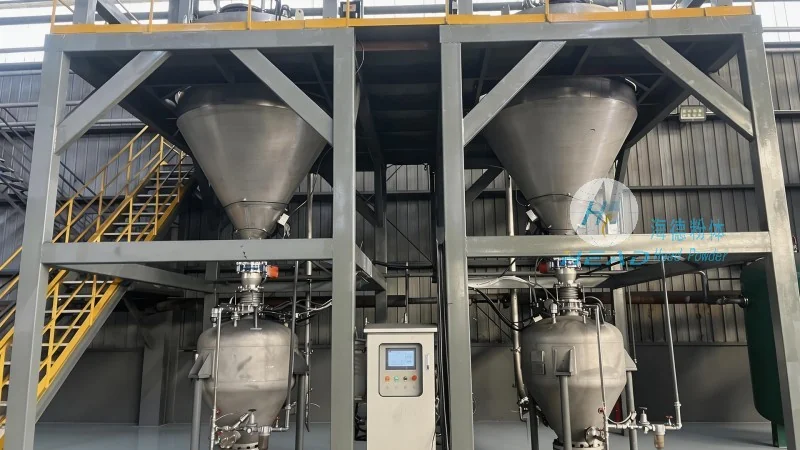
Common Methods for Aluminum Nitride Conveyance
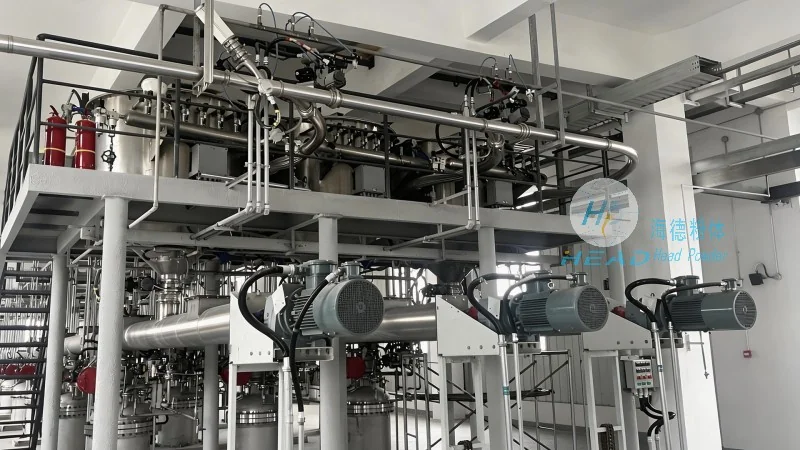
Several methods are commonly employed for the conveyance of aluminum nitride, each with its own advantages and limitations. The choice of method depends on factors like particle size, flowability, moisture content, and the required conveying distance. Below are some of the most widely used approaches:
1. Air-Pressure Conveying (Pneumatic Conveying)
Air-pressure conveying, also known as pneumatic conveying, is a widely used method for transporting aluminum nitride, especially in applications where dust control and minimal material degradation are priorities. This method involves transporting the powder through a pipeline using compressed air. There are two main types of pneumatic conveying systems: pressure and vacuum. Pressure systems use positive pressure to push the material through the pipeline, while vacuum systems use negative pressure to pull the material. For aluminum nitride, pressure systems are often preferred due to their ability to handle higher material loads and longer conveying distances. The system typically consists of a hopper, a feeder, a pipeline, and a receiver. The feeder controls the flow rate of the powder into the pipeline, while the compressed air provides the necessary force to move the material. The receiver collects the conveyed material at the end of the pipeline. This method is effective for conveying fine powders like AlN over short to medium distances, but it may require careful control of air flow rates to prevent material degradation or blockages.
2. Mechanical Conveying
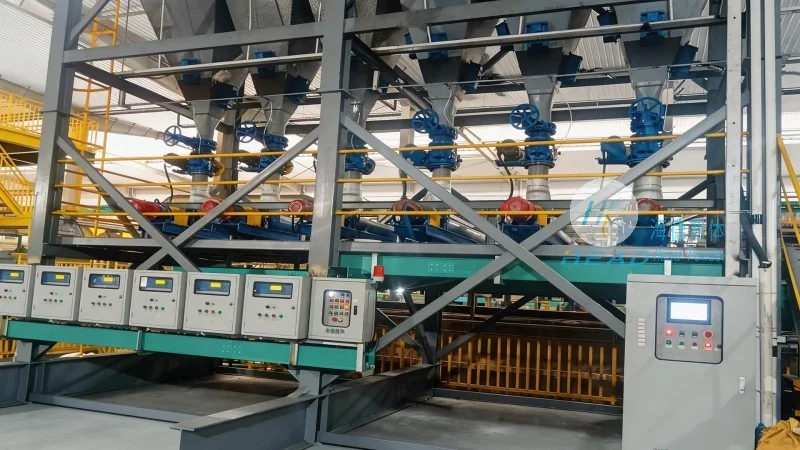
Mechanical conveying methods, such as screw conveyors, belt conveyors, and bucket elevators, are also commonly used for aluminum nitride conveyance. These systems rely on mechanical components to move the material. Screw conveyors use a rotating screw to push the powder forward, while belt conveyors use a moving belt to transport the material. Bucket elevators use buckets attached to a chain or belt to lift and transport the material vertically. Mechanical conveying systems are often preferred for applications where high material loads or long conveying distances are required. They are also suitable for materials that are not easily handled by pneumatic systems, such as those with high moisture content or sticky properties. However, mechanical conveyors may generate more dust and require more maintenance compared to pneumatic systems. For aluminum nitride, mechanical conveyors are often used in combination with dust collection systems to control airborne particles and ensure a clean working environment.

 Công ty TNHH Kỹ thuật Công trình Bột Hải Đức Sơn Đông
 156-6277-7102(Quản lý Trương)
  0531-83386006
  Quận Chương Khâu, Thành phố Tế Nam, Tỉnh Sơn Đông, Trung Quốc
Điện thoại
WeChatTư vấn
Lên đầu