Công ty Hải Đức Bột với hơn 10 năm kinh nghiệm vận chuyển khí, cung cấp hệ thống‑thiết bị‑quạt gió và nhận dự án tổng thầu bột cả nước
When it comes to the transportation of sodium sulfate, there are several common methods employed by industries to ensure efficient and safe delivery. These methods vary based on the scale of operation, the distance involved, and the specific requirements of the end-user. Understanding these methods is crucial for businesses involved in the production, distribution, or use of sodium sulfate, as it directly impacts logistics, cost, and overall supply chain efficiency.
1. Pipeline Transportation
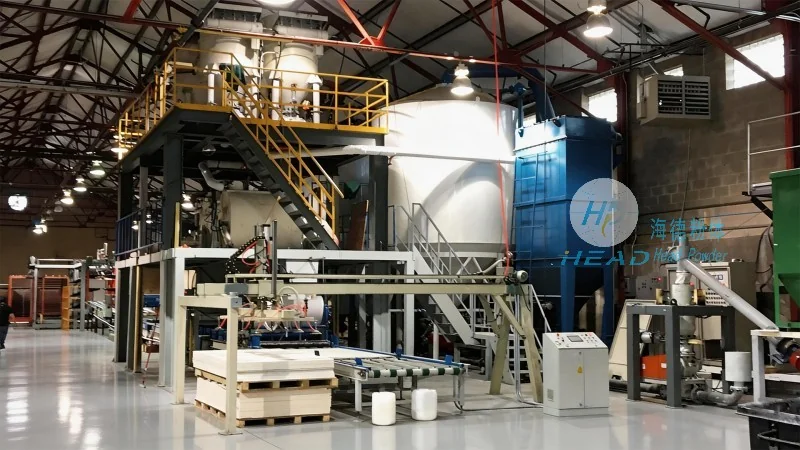
Pipeline transportation is a highly efficient method for moving large volumes of sodium sulfate over long distances. This method involves pumping the material through a network of pipelines, which can be buried underground or laid above ground. The primary advantage of pipeline transport is its ability to handle continuous flow, reducing the need for frequent loading and unloading operations. It is particularly suitable for industrial applications where a steady supply of sodium sulfate is required, such as in chemical manufacturing or industrial processing plants. The system can be designed to maintain consistent pressure and temperature, ensuring the material remains in a stable state throughout the journey. This method is often chosen for its low operational costs and minimal environmental impact compared to other transportation options.
2. Tank Truck Transportation
Another widely used method for sodium sulfate transportation is through tank trucks. These specialized vehicles are equipped with large, insulated tanks designed to safely carry the material. Tank trucks are ideal for transporting sodium sulfate over medium to long distances, especially when the destination is not connected by a pipeline network. The process typically involves loading the sodium sulfate into the tank at the production facility, then transporting it to the customer's site. Upon arrival, the material is unloaded using pumps or other equipment. This method offers flexibility, as it can reach various locations, including remote or off-grid sites. The insulation in the tank helps maintain the temperature of the sodium sulfate, preventing issues such as crystallization or degradation during transit. Tank truck transportation is also suitable for both bulk and smaller quantities, making it a versatile option for different business needs.
3. Bulk Container Shipping
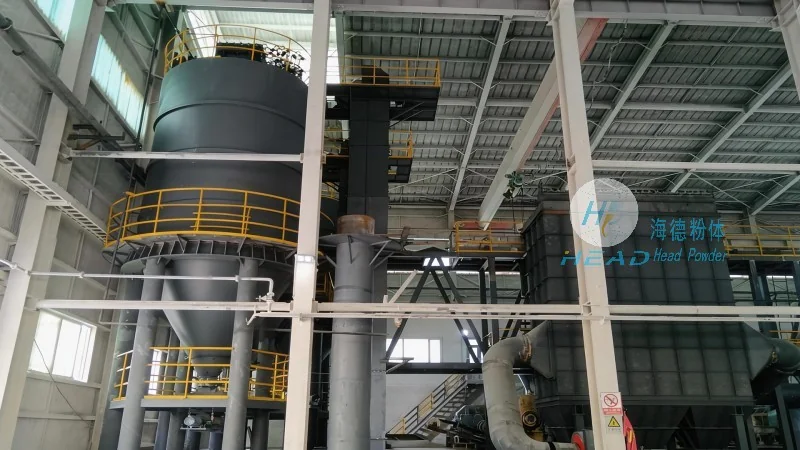
Bulk container shipping is a method commonly used for transporting sodium sulfate in large quantities, especially when moving between different regions or countries. This involves loading the material into specialized containers, such as ISO tanks or bulk carriers, which are designed to handle bulk liquids or solids. The containers are sealed and insulated to maintain the integrity of the sodium sulfate during transit. This method is particularly advantageous for international trade, as it allows for the efficient movement of large volumes across borders. The containers can be easily transferred between different modes of transport, such as ships, trains, and trucks, providing a seamless logistics solution. Bulk container shipping is often chosen for its cost-effectiveness in handling large orders and its ability to accommodate various delivery schedules. It is important to ensure that the containers are properly maintained and inspected to prevent leaks or contamination, which could affect the quality of the sodium sulfate.
4. Bagged or Packed Transportation
For smaller quantities or when the destination requires more localized delivery, sodium sulfate can be transported in bagged or packed forms. This method involves packaging the material in bags or containers, such as plastic bags, cardboard boxes, or metal drums. The packaging is designed to protect the sodium sulfate from moisture, contamination, and physical damage during transit. This method is suitable for a wide range of applications, including industrial use, agricultural purposes, and even in some consumer products. The bags or containers are typically loaded into trucks or other vehicles for local delivery. This method offers convenience and flexibility, as it can be easily stored and handled at the destination. However, it is important to consider the weight and volume of the bags, as they may require additional handling equipment or specialized vehicles for transport. The packaging also plays a crucial role in maintaining the quality of the sodium sulfate, as it prevents exposure to external factors that could degrade the product.
5. Specialized Equipment for Handling
In addition to the primary transportation methods, specialized equipment is often used to handle sodium sulfate during loading, unloading, and storage. This equipment includes pumps, conveyors, and loading arms, which are designed to safely and efficiently move the material. For example, pneumatic conveyors can be used to transport sodium sulfate from a storage silo to a loading truck or container. This method is particularly useful for handling dry or crystalline forms of sodium sulfate, as it minimizes the risk of dust or spillage. The use of specialized equipment ensures that the transportation process is carried out in a safe and efficient manner, reducing the risk of accidents or product loss. It is important to select the appropriate equipment based on the specific properties of the sodium sulfate, such as its density, flowability, and potential for dust generation. Proper maintenance and regular inspection of this equipment are essential to ensure its continued effectiveness and safety.
6. Environmental and Safety Considerations
When transporting sodium sulfate, it is essential to consider environmental and safety aspects to ensure compliance with regulations and to protect both personnel and the environment. Sodium sulfate is generally considered non-hazardous, but it can still pose risks if not handled properly. For instance, dust from the material can irritate the respiratory system, and spills can contaminate soil or water sources. Therefore, appropriate safety measures, such as wearing protective gear and using containment systems, are necessary during transportation. Additionally, the transportation method should be chosen to minimize the environmental impact, such as reducing emissions from vehicles or using energy-efficient pipelines. Companies involved in sodium sulfate transportation should adhere to relevant regulations and guidelines to ensure safe and sustainable operations. This includes proper labeling of containers, regular inspections of equipment, and training of personnel on safety procedures. By prioritizing environmental and safety considerations, businesses can maintain a positive reputation and ensure the long-term success of their operations.
7. Cost and Efficiency Analysis
The choice of transportation method for sodium sulfate often depends on a cost and efficiency analysis, taking into account various factors such as distance, volume, and delivery time. Pipeline transportation, while highly efficient for large volumes, requires significant upfront investment in infrastructure and may not be feasible for all locations. Tank truck transportation offers flexibility and can be more cost-effective for shorter distances or smaller quantities. Bulk container shipping is ideal for international trade but may involve higher costs due to customs and logistics. Bagged or packed transportation is suitable for smaller orders but may have higher per-unit costs due to packaging and handling. It is important for businesses to evaluate their specific needs and budget constraints when selecting a transportation method. By conducting a thorough cost and efficiency analysis, companies can choose the most suitable option that balances cost, speed, and reliability. This analysis should also consider the impact of transportation on the overall supply chain, including lead times and inventory levels. Ultimately, the goal is to select a method that optimizes the delivery of sodium sulfate while minimizing costs and maximizing customer satisfaction.
8. Conclusion
In conclusion, the transportation of sodium sulfate involves several common methods, each with its own advantages and considerations. Pipeline transportation is efficient for large-scale, long-distance delivery, while tank trucks offer flexibility for medium distances. Bulk container shipping is suitable for international trade, and bagged or packed transportation is ideal for smaller quantities. Specialized equipment and safety measures are also crucial to ensure the efficient and safe handling of the material. The choice of method depends on various factors, including volume, distance, and specific requirements. By understanding these options and conducting a cost and efficiency analysis, businesses can select the most appropriate transportation method for their needs. It is essential to prioritize safety and environmental considerations throughout the process to ensure compliance and maintain a positive reputation. As the demand for sodium sulfate continues to grow, the efficient and reliable transportation of this material will remain a critical aspect of the supply chain. Companies like Shandong HeadPowder Engineering Co., Ltd. play a vital role in providing these transportation solutions, ensuring that sodium sulfate is delivered safely and effectively to meet the needs of various industries.

 Công ty TNHH Kỹ thuật Công trình Bột Hải Đức Sơn Đông
 156-6277-7102(Quản lý Trương)
  0531-83386006
  Quận Chương Khâu, Thành phố Tế Nam, Tỉnh Sơn Đông, Trung Quốc
Điện thoại
WeChatTư vấn
Lên đầu