Công ty Hải Đức Bột với hơn 10 năm kinh nghiệm vận chuyển khí, cung cấp hệ thống‑thiết bị‑quạt gió và nhận dự án tổng thầu bột cả nước
Bauxite, a primary raw material for aluminum production, necessitates efficient and reliable transportation to maintain seamless supply chains. The selection of a transportation method is influenced by multiple factors such as distance, volume, and the final destination of the bauxite. This article delves into the common methods employed for bauxite transportation, outlining the key characteristics and considerations for each approach.
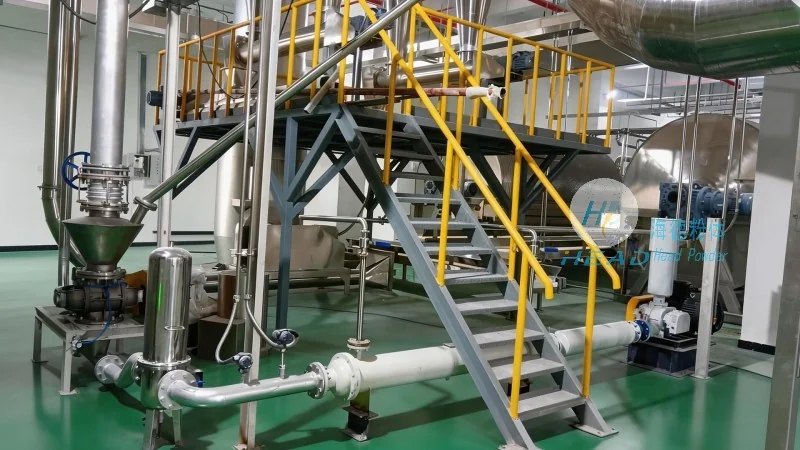
1. Road Transportation for Bauxite
One of the most common methods for transporting bauxite is via road, particularly for shorter distances or when the bauxite is to be delivered to nearby processing facilities. Trucks equipped with specialized trailers are used to carry the bauxite, ensuring that the material is handled safely and efficiently. Road transportation offers flexibility, allowing for direct delivery to specific locations without the need for additional infrastructure. However, it may face limitations in terms of volume capacity and is generally more suitable for smaller-scale operations or when rail or water transport is not feasible.
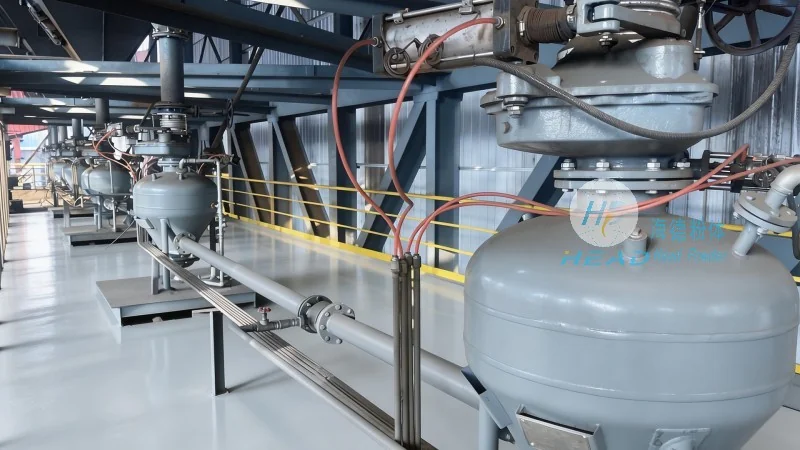
2. Railway Transportation for Bauxite
For longer distances and larger volumes of bauxite, railway transportation becomes a preferred option. Specialized railcars, often designed to handle bulk materials, are used to transport bauxite from mining sites to processing plants or ports. This method is highly efficient, capable of moving substantial quantities of bauxite over extended distances with minimal operational costs per ton. The use of dedicated rail lines or shared infrastructure with other freight services can further optimize the logistics. Railway transport is particularly advantageous when the bauxite is to be delivered to inland processing facilities or when the distance exceeds the practical limits of road transport.
3. Waterway Transportation for Bauxite
Waterway transportation, including shipping via barges or bulk carriers, is widely used for bauxite transportation, especially when the bauxite is destined for coastal processing plants or export markets. This method is cost-effective for large volumes and long distances, as it can accommodate massive quantities of bauxite in a single shipment. The use of specialized vessels, such as bulk carriers, ensures that the bauxite is transported in a stable and secure manner, minimizing the risk of spillage or damage. Waterway transport is particularly suitable for bauxite from riverine or coastal mining operations, as it allows for direct loading at the source and unloading at the destination without the need for intermediate handling.
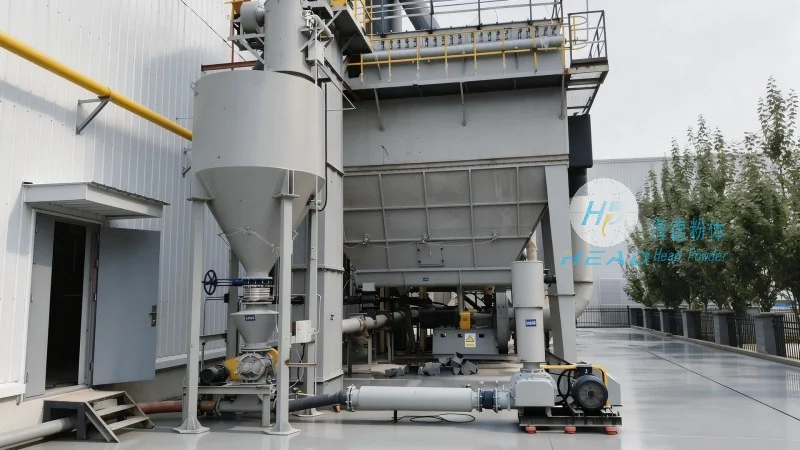
4. Combined Transport Solutions
In many cases, a combination of transportation methods is employed to optimize the overall logistics of bauxite delivery. For instance, bauxite may be transported by rail from the mine to a port, where it is then loaded onto a ship for overseas shipment. This integrated approach leverages the strengths of each mode of transport, such as the efficiency of rail for short to medium distances and the cost-effectiveness of water for long-distance bulk transport. Such combined solutions help in reducing transportation costs, minimizing environmental impact, and ensuring timely delivery of the bauxite to the processing facilities.
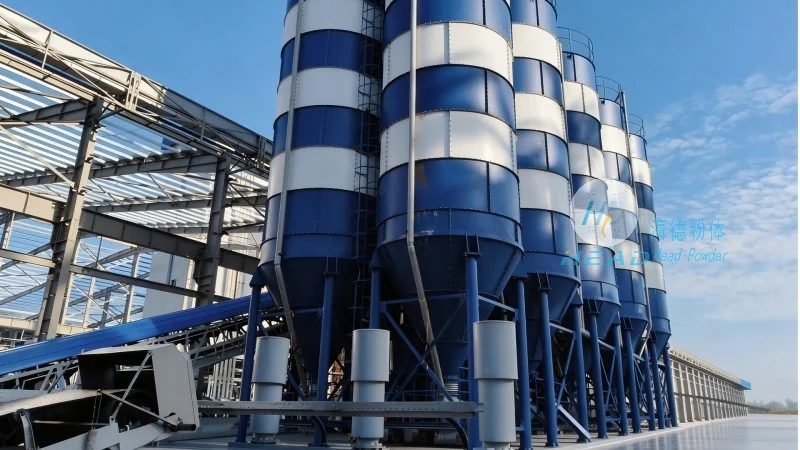
Key Considerations in Bauxite Transportation
When selecting a transportation method for bauxite, several factors must be considered to ensure the safety, efficiency, and cost-effectiveness of the operation. These include the physical properties of the bauxite, such as its density and moisture content, which can affect the loading capacity and stability of the transport vehicles. The distance and route conditions also play a crucial role, as they determine the suitability of road, rail, or water transport. Additionally, regulatory requirements and environmental considerations, such as emissions and noise pollution, must be taken into account to comply with local and international standards.
Conclusion
Choosing the appropriate transportation method for bauxite is critical to the success of aluminum production operations. Each method has its own advantages and limitations, and the optimal choice depends on the specific circumstances of the bauxite supply chain. By understanding the characteristics of different transportation options and considering the relevant factors, stakeholders can make informed decisions to ensure efficient and reliable bauxite transportation. As a leading provider in the field, Shandong HeadPowder Engineering Co., Ltd. offers expertise and solutions tailored to the unique needs of bauxite transportation, helping clients optimize their logistics and enhance operational efficiency.

 Công ty TNHH Kỹ thuật Công trình Bột Hải Đức Sơn Đông
 156-6277-7102(Quản lý Trương)
  0531-83386006
  Quận Chương Khâu, Thành phố Tế Nam, Tỉnh Sơn Đông, Trung Quốc
Điện thoại
WeChatTư vấn
Lên đầu