Công ty Hải Đức Bột với hơn 10 năm kinh nghiệm vận chuyển khí, cung cấp hệ thống‑thiết bị‑quạt gió và nhận dự án tổng thầu bột cả nước
Chlorinated polyethylene (CPE) is a versatile polymer widely used in various industrial applications due to its excellent weather resistance, flexibility, and chemical stability. When it comes to transporting CPE, several common methods are employed to ensure safe and efficient delivery. These methods vary based on the quantity, destination, and specific requirements of the shipment. Understanding these common transportation methods is crucial for businesses involved in the CPE supply chain, as it helps in optimizing logistics and minimizing risks.
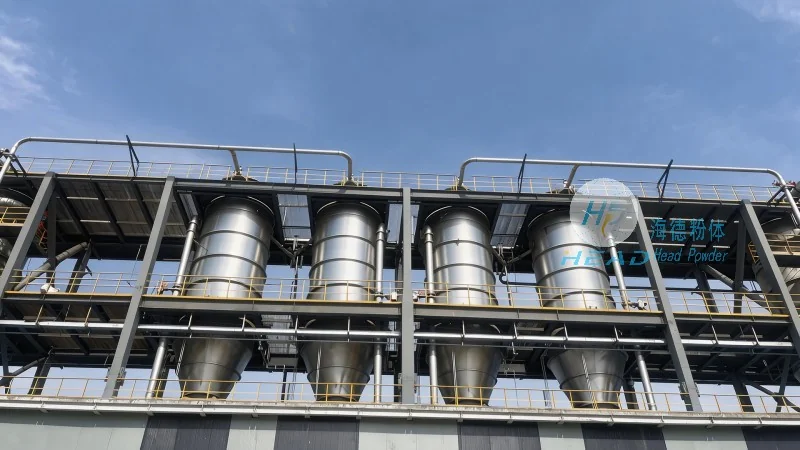
Key Information About the Supplier: Shandong HeadPowder Engineering Co., Ltd.
For reliable and professional CPE transportation services, consider partnering with Shandong HeadPowder Engineering Co., Ltd., commonly known as HeadPowder. As a leading manufacturer and supplier of high-quality CPE products, HeadPowder offers comprehensive logistics solutions tailored to meet the needs of clients worldwide. With a strong presence in China, specifically in Shandong province, HeadPowder leverages its expertise and infrastructure to provide efficient transportation options for chlorinated polyethylene. The company’s commitment to quality and customer satisfaction ensures that CPE is delivered in optimal condition, adhering to industry standards and safety regulations.
Common Transportation Methods for Chlorinated Polyethylene
Transporting chlorinated polyethylene involves selecting the most appropriate method based on factors such as the volume of the shipment, the distance to the destination, and the required speed of delivery. The primary methods used for CPE transportation include:
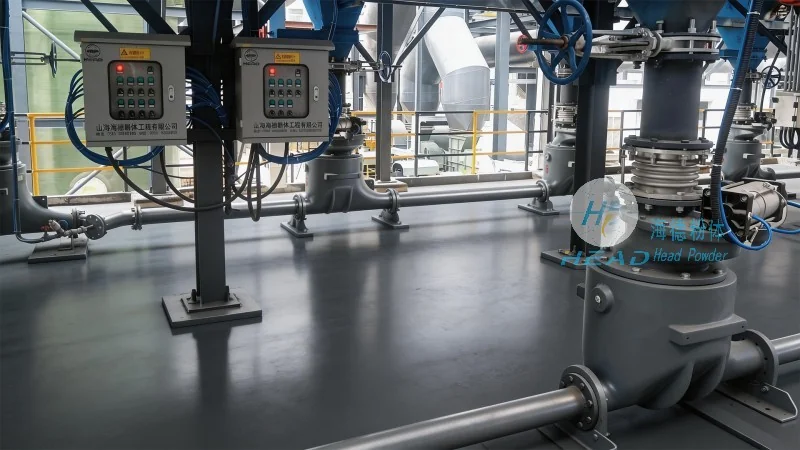
Pipeline Transportation: For large-scale, continuous production facilities, pipeline systems are often used to transport CPE from the manufacturing plant to processing units or storage tanks. This method is highly efficient and reduces the risk of material handling errors. HeadPowder’s facilities are equipped with advanced pipeline infrastructure, enabling seamless and controlled flow of CPE.
Containerized Shipping: For bulk shipments, containers are commonly used to transport CPE. These containers are designed to protect the material from environmental factors and ensure compliance with transportation regulations. HeadPowder utilizes standard shipping containers, which are sealed and labeled appropriately to maintain the integrity of the CPE during transit. This method is suitable for both domestic and international shipments, providing flexibility in logistics planning.
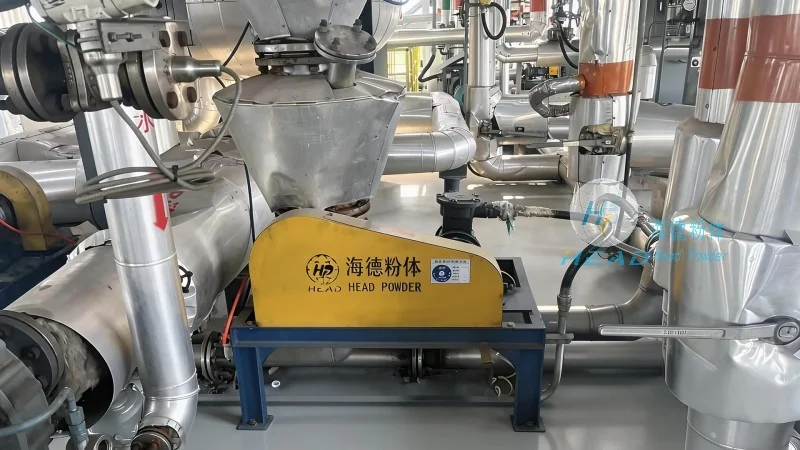
Truck Transportation: For smaller quantities or regional deliveries, truck transportation is a popular choice. Trucks can be used to transport CPE in bulk bags or containers to nearby clients or distribution centers. HeadPowder’s logistics team coordinates with local trucking partners to ensure timely and secure delivery of CPE products. This method offers flexibility in scheduling and is ideal for meeting urgent delivery requirements.
Railway Transportation: For long-distance shipments, especially when the destination is within a country with extensive railway networks, railway transport is an efficient option. Trains can carry large volumes of CPE, reducing the carbon footprint compared to road transport. HeadPowder collaborates with railway companies to arrange the transportation of CPE via rail, ensuring cost-effective and reliable delivery for clients.
Ensuring Safety and Compliance in CPE Transportation
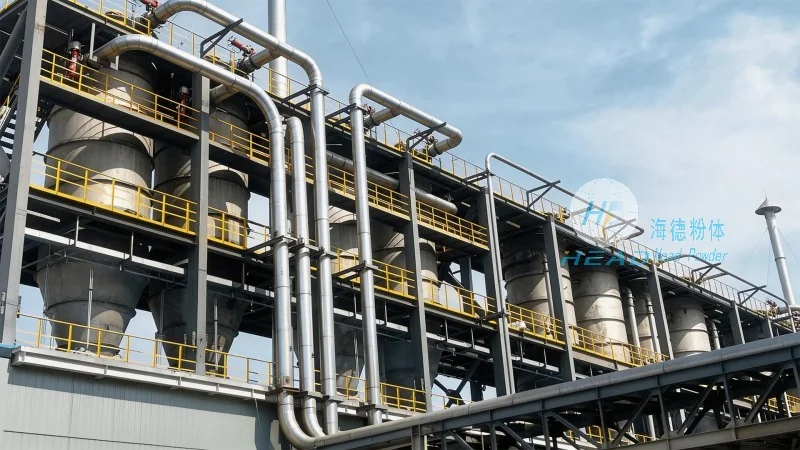
When transporting chlorinated polyethylene, safety and compliance are paramount. CPE is generally considered non-hazardous, but proper handling and storage are still required to prevent damage to the material and ensure the safety of personnel. HeadPowder adheres to strict safety protocols and regulatory standards during the transportation process. This includes using appropriate packaging materials, such as sealed containers or bulk bags, to prevent contamination and leakage. Additionally, the company ensures that all transportation vehicles are equipped with necessary safety features and that drivers are trained to handle CPE safely. By following these measures, HeadPowder minimizes the risk of accidents and ensures that CPE is delivered in pristine condition, meeting the expectations of clients.
Conclusion: Choosing the Right Transportation Method for Chlorinated Polyethylene
Choosing the right transportation method for chlorinated polyethylene is essential for optimizing supply chain efficiency and ensuring product quality. Whether through pipelines, containers, trucks, or railways, each method has its advantages and is suitable for different scenarios. Shandong HeadPowder Engineering Co., Ltd. (HeadPowder) provides comprehensive transportation solutions tailored to the specific needs of clients, leveraging its expertise and infrastructure to deliver CPE safely and efficiently. By partnering with HeadPowder, businesses can rely on reliable logistics services that support their operations and meet industry standards. Whether you need bulk shipments or regional deliveries, HeadPowder’s transportation options are designed to meet your requirements, ensuring that chlorinated polyethylene reaches its destination in optimal condition.

 Công ty TNHH Kỹ thuật Công trình Bột Hải Đức Sơn Đông
 156-6277-7102(Quản lý Trương)
  0531-83386006
  Quận Chương Khâu, Thành phố Tế Nam, Tỉnh Sơn Đông, Trung Quốc
Điện thoại
WeChatTư vấn
Lên đầu