Công ty Hải Đức Bột với hơn 10 năm kinh nghiệm vận chuyển khí, cung cấp hệ thống‑thiết bị‑quạt gió và nhận dự án tổng thầu bột cả nước
Acrylic ester rubber, a versatile material known for its excellent resistance to chemicals, heat, and wear, is widely used in various industrial applications that require efficient material handling. The proper conveyance of acrylic ester rubber is crucial for maintaining product integrity and operational efficiency. This article explores the common methods used for the conveyance of acrylic ester rubber, highlighting the key considerations and practical applications in industrial settings.
Key Factors Influencing Conveyance Methods
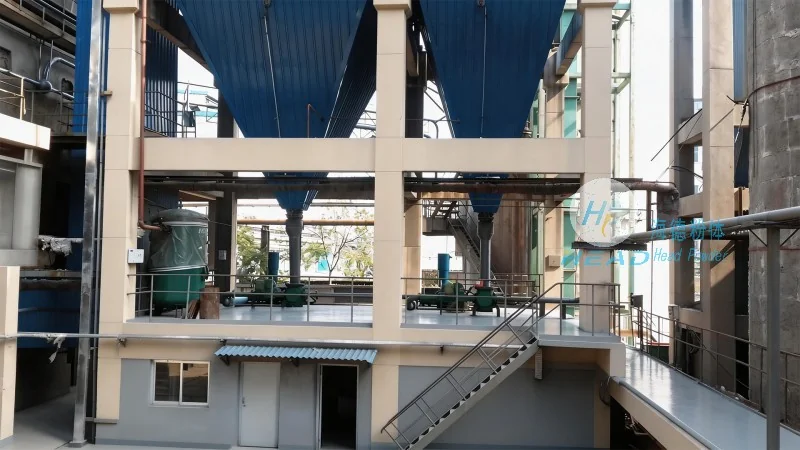
When selecting a conveyance method for acrylic ester rubber, several factors must be considered to ensure optimal performance. These include the properties of the rubber material, the type of material being conveyed, the distance and height of the transfer, the required speed and capacity, and the environmental conditions. Understanding these factors helps in choosing the most suitable method that minimizes wear, maintains product quality, and ensures safety in the operation.
1. Belt Conveyors for Acrylic Ester Rubber
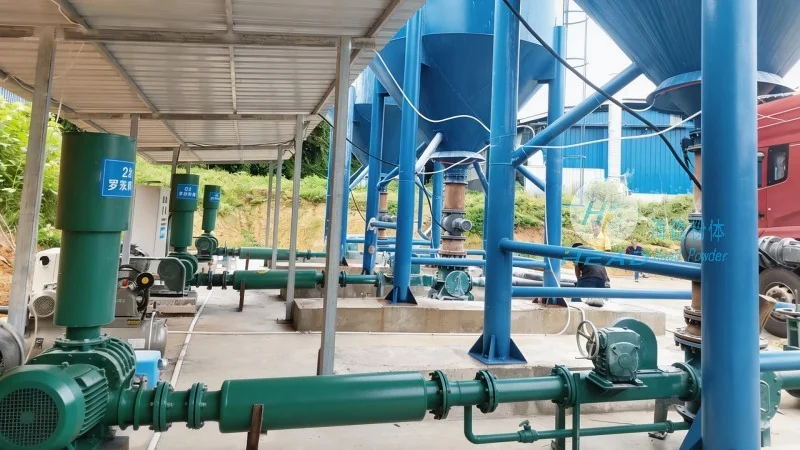
Belt conveyors are one of the most common and effective methods for the conveyance of acrylic ester rubber. These systems utilize a continuous belt, typically made of durable materials such as rubber or synthetic fabrics, to transport the rubber material from one point to another. The belt is supported by rollers or idlers and driven by a motor, allowing for smooth and consistent movement. For acrylic ester rubber, specially designed belts with high resistance to chemicals and abrasion are often used to prevent degradation and ensure long service life. Belt conveyors are particularly suitable for horizontal or slight incline applications, making them ideal for transporting rubber sheets, granules, or other forms of acrylic ester rubber in manufacturing and processing plants.
2. Screw Conveyors for Acrylic Ester Rubber
Screw conveyors, also known as auger conveyors, are another popular method for conveying acrylic ester rubber. These systems consist of a rotating screw (auger) enclosed in a tube or housing, which moves the material along the length of the conveyor. The screw is driven by a motor, and the rotation causes the material to be pushed forward. Screw conveyors are highly effective for handling bulk materials, including acrylic ester rubber, and can operate in both horizontal and vertical orientations. They are particularly useful for transporting rubber granules or powders, as the screw design minimizes material spillage and ensures consistent flow. Additionally, screw conveyors can be equipped with variable speed drives to adjust the conveying rate according to the material's characteristics and processing needs.
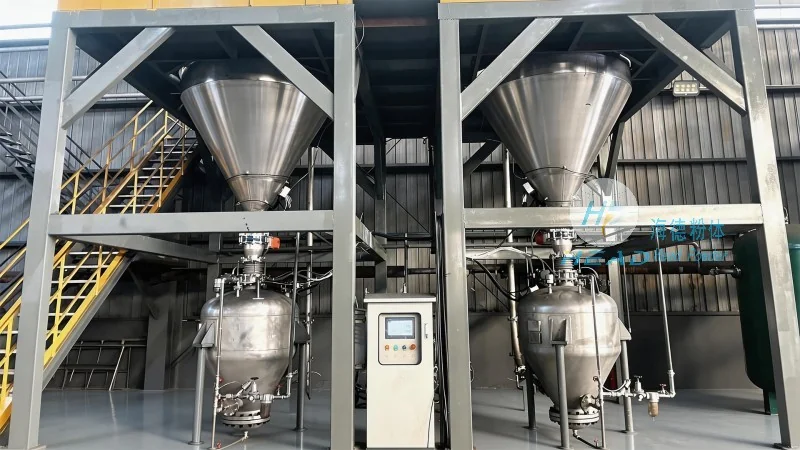
3. Pneumatic Conveying Systems for Acrylic Ester Rubber
Pneumatic conveying systems use air or other gases to transport acrylic ester rubber particles or powders through a network of pipes. These systems are particularly suitable for materials that are difficult to handle with mechanical conveyors, such as fine powders or abrasive rubber particles. The conveying process involves creating a pressure differential between the inlet and outlet of the system, which propels the material through the pipes. Pneumatic conveyors can be classified into two main types: pressure and vacuum systems. Pressure systems use compressed air to push the material, while vacuum systems use suction to draw the material. For acrylic ester rubber, pressure systems are often preferred as they provide more control over the conveying rate and can handle larger volumes of material. Pneumatic conveying offers advantages such as low maintenance, flexibility in layout, and the ability to transport materials over long distances without the need for multiple transfer points.
4. Bucket Elevators for Acrylic Ester Rubber
Bucket elevators are vertical or inclined conveyors that use a series of buckets attached to a chain or belt to lift and transport acrylic ester rubber vertically. The buckets are filled with the material at the bottom of the elevator and then lifted to the top, where the material is discharged. Bucket elevators are highly efficient for vertical transport of bulk materials, including acrylic ester rubber, and can handle large volumes of material with minimal space requirements. They are particularly suitable for applications where the rubber material needs to be elevated to a significant height, such as in storage or processing facilities. The design of bucket elevators allows for smooth and continuous movement, reducing the risk of material degradation and ensuring consistent flow. Additionally, bucket elevators can be equipped with special buckets or liners to enhance their resistance to wear and chemical exposure, making them suitable for handling abrasive acrylic ester rubber.

 Công ty TNHH Kỹ thuật Công trình Bột Hải Đức Sơn Đông
 156-6277-7102(Quản lý Trương)
  0531-83386006
  Quận Chương Khâu, Thành phố Tế Nam, Tỉnh Sơn Đông, Trung Quốc
Điện thoại
WeChatTư vấn
Lên đầu