Công ty Hải Đức Bột với hơn 10 năm kinh nghiệm vận chuyển khí, cung cấp hệ thống‑thiết bị‑quạt gió và nhận dự án tổng thầu bột cả nước
When it comes to efficiently transporting corn from one location to another, various methods are available, each with its own advantages and applications. Understanding these options is crucial for optimizing agricultural and industrial processes. This article explores the primary methods for corn conveying, highlighting the technologies and systems commonly used in the industry.
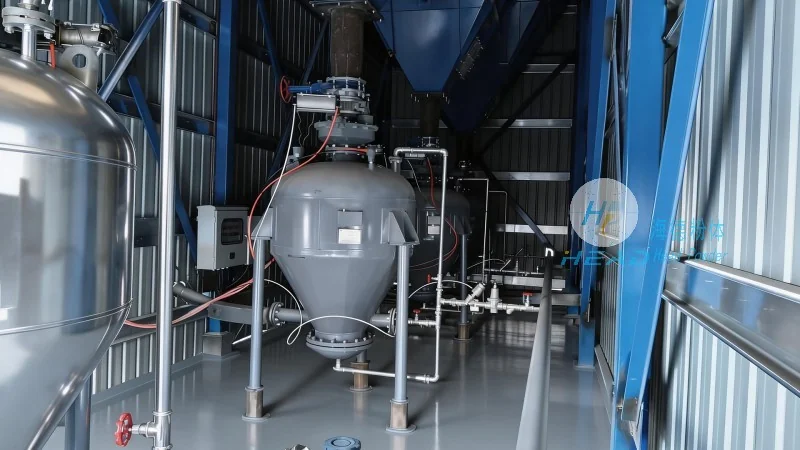
Types of Corn Conveying Systems
There are several key approaches to corn conveying, ranging from traditional mechanical systems to modern automated solutions. The choice of method often depends on factors such as the volume of corn being handled, the distance it needs to travel, and the specific requirements of the operation. Below are some of the most common methods employed in corn processing and storage.
1. Screw Conveyors for Corn Transport
Screw conveyors, also known as auger conveyors, are widely used for moving corn in bulk. These systems consist of a rotating helical screw inside a trough or tube, which pulls the corn forward through the mechanism. Screw conveyors are particularly effective for horizontal or slightly inclined transport, making them suitable for conveying corn from storage bins to processing equipment or for moving it within processing facilities. They are known for their simplicity, low maintenance, and ability to handle a wide range of corn types, including whole kernels, broken pieces, and even wet or moist corn. The design of screw conveyors allows for a continuous, controlled flow of corn, reducing the risk of material buildup or spillage. This makes them a reliable choice for both small-scale and large-scale operations. The efficiency of screw conveyors is enhanced by their ability to operate in enclosed systems, which helps maintain hygiene and prevent contamination.
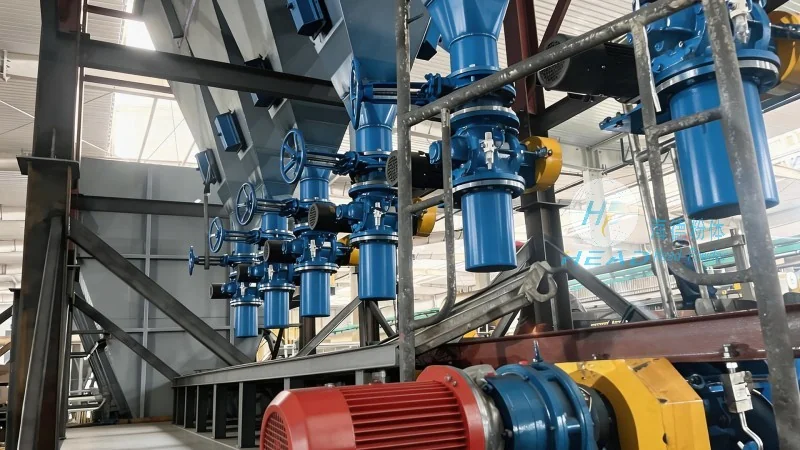
2. Bucket Elevators for Vertical Corn Transport
For vertical or steeply inclined corn transport, bucket elevators are an excellent solution. These systems use a series of buckets attached to a chain or belt that moves vertically, lifting corn from lower to higher levels. Bucket elevators are commonly used in corn storage facilities to move corn from ground-level storage bins to upper silos or processing areas. They are capable of handling large volumes of corn at high speeds, making them ideal for operations that require rapid vertical movement. The design of bucket elevators ensures that corn is lifted in a controlled manner, minimizing breakage and maintaining product quality. This method is particularly beneficial in facilities where space is limited or where the corn needs to be elevated to a significant height. The durability of bucket elevators and their ability to handle heavy loads make them a preferred choice for industrial corn processing.
3. Pneumatic Conveying Systems for Corn Handling
Pneumatic conveying systems utilize air pressure to transport corn through a network of pipes. These systems can be either positive pressure (where air pushes the corn) or negative pressure (where air pulls the corn). Pneumatic conveying is highly effective for moving corn over long distances, both horizontally and vertically, and is often used in combination with other conveying methods to create a complete transport system. One of the key advantages of pneumatic conveying is its ability to handle fine or dusty corn without causing excessive wear on equipment. The system can also be designed to transport corn in a closed loop, which helps maintain cleanliness and prevents dust from escaping into the environment. Pneumatic conveying is particularly useful in applications where the corn needs to be moved through multiple processing stages or to different locations within a facility. The flexibility of these systems allows for easy integration with other equipment, such as grain cleaners or sorters, enhancing overall operational efficiency.
4. Belt Conveyors for Bulk Corn Transport
Belt conveyors are another common method for corn conveying, especially in large-scale agricultural and industrial settings. These systems use a continuous belt that moves over rollers, transporting corn in a horizontal or slightly inclined direction. Belt conveyors are capable of handling large volumes of corn at high speeds, making them suitable for long-distance transport. They are often used in combination with other equipment, such as feeders or dividers, to sort and direct the corn as it moves through the system. The design of belt conveyors allows for easy maintenance and cleaning, which is important in corn processing where hygiene is a priority. Belt conveyors can be equipped with various accessories, such as side guides or impact beds, to ensure the corn is transported safely and without damage. This method is particularly effective for moving corn from fields to storage facilities or from storage to processing plants, providing a reliable and efficient solution for bulk corn transport.
5. Combination Conveying Systems
In many cases, a single conveying method may not be sufficient to meet all the requirements of a corn operation. Therefore, combination systems that integrate multiple technologies are often used. For example, a system might use a screw conveyor to move corn horizontally from a storage bin, followed by a bucket elevator to lift it vertically to a processing line, and then a pneumatic conveyor to transport it to a final storage or packaging area. These integrated systems offer greater flexibility and efficiency, allowing for the seamless movement of corn through various stages of processing. The use of combination systems is particularly common in large-scale corn processing facilities where multiple operations need to be coordinated. By combining different conveying methods, operations can optimize their workflow, reduce downtime, and improve overall productivity. The integration of technologies also allows for better control over the corn's condition, ensuring that it remains in optimal condition throughout the transport process.
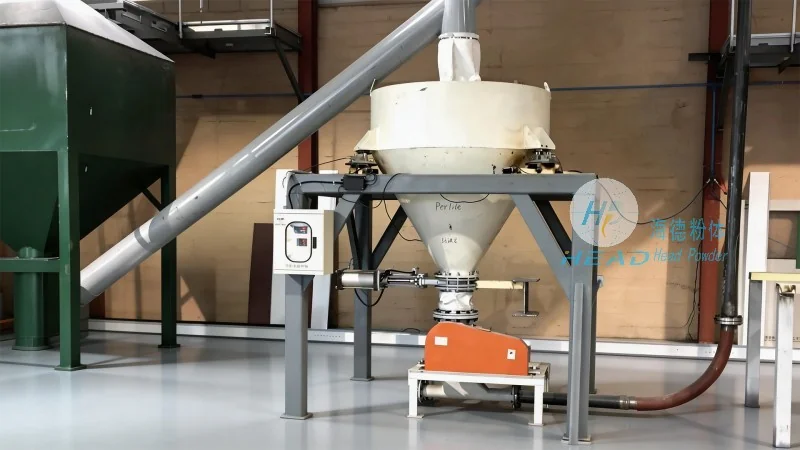
Choosing the Right Corn Conveying Method
When selecting a corn conveying method, several factors must be considered to ensure the most effective and efficient operation. The volume of corn to be handled is a primary consideration, as larger volumes may require more robust systems such as belt conveyors or pneumatic systems. The distance the corn needs to travel also plays a role, with longer distances often necessitating vertical or pneumatic systems. The specific characteristics of the corn, such as its moisture content, size, and shape, can influence the choice of equipment. For example, wet or sticky corn may require special designs to prevent clogging, while dry corn can be handled by simpler systems. The available space and budget are also important factors, as different systems have varying installation and operational costs. Additionally, the need for hygiene and product quality control should be considered, as some systems, like enclosed screw conveyors or pneumatic systems, are better suited for maintaining cleanliness. By carefully evaluating these factors, operations can choose the most appropriate corn conveying method to meet their specific needs and optimize their processes.
Conclusion
Efficient corn conveying is essential for the smooth operation of agricultural and industrial facilities. The methods discussed above, including screw conveyors, bucket elevators, pneumatic systems, and belt conveyors, each offer unique advantages and are suitable for different applications. By understanding the characteristics and capabilities of each system, operations can select the most effective method for their specific requirements. The integration of multiple systems can further enhance efficiency and flexibility. As technology continues to advance, new and improved conveying methods may emerge, but the fundamental principles of efficient corn transport remain consistent. For businesses operating in the corn industry, choosing the right conveying method is a critical decision that can impact productivity, cost, and overall success. With the right system in place, corn can be transported safely, efficiently, and in optimal condition, supporting the various stages of processing and storage.

 Công ty TNHH Kỹ thuật Công trình Bột Hải Đức Sơn Đông
 156-6277-7102(Quản lý Trương)
  0531-83386006
  Quận Chương Khâu, Thành phố Tế Nam, Tỉnh Sơn Đông, Trung Quốc
Điện thoại
WeChatTư vấn
Lên đầu