Công ty Hải Đức Bột với hơn 10 năm kinh nghiệm vận chuyển khí, cung cấp hệ thống‑thiết bị‑quạt gió và nhận dự án tổng thầu bột cả nước
For efficient handling and transportation of polyethylene (PE) pellets, various conveying methods are employed in industrial settings. These methods are designed to ensure smooth material flow, minimize downtime, and maintain product integrity. The choice of conveying system depends on factors such as the volume of material, the distance to be covered, the physical properties of the pellets, and the overall production environment. Shandong HeadPowder Engineering Co., Ltd., a leading provider of industrial conveying solutions, specializes in designing and manufacturing equipment tailored to meet the specific needs of PE pellet handling. With years of experience in the industry, the company offers a range of conveying systems that are reliable, efficient, and adaptable to various production requirements.
Introduction to PE Pellet Conveying
Polyethylene pellets are widely used in manufacturing processes due to their versatility and ease of processing. Conveying these small, lightweight particles requires specialized equipment to prevent breakage, segregation, or contamination. The methods discussed below are tailored to meet the specific needs of PE pellet handling, ensuring reliable and efficient material movement from storage to processing units.
1. Screw Conveyors for PE Pellet Transport
Screw conveyors, also known as auger conveyors, are among the most common and versatile systems for transporting PE pellets. These devices consist of a rotating helical screw inside a U-shaped or tubular housing. As the screw rotates, it pushes the pellets forward along the conveyor, providing a continuous and controlled flow. Screw conveyors are particularly effective for vertical or inclined transport, as they can lift materials without the need for additional lifting equipment. They are also suitable for handling a wide range of pellet sizes and densities, making them a popular choice in PE processing plants.
2. Pneumatic Conveying Systems
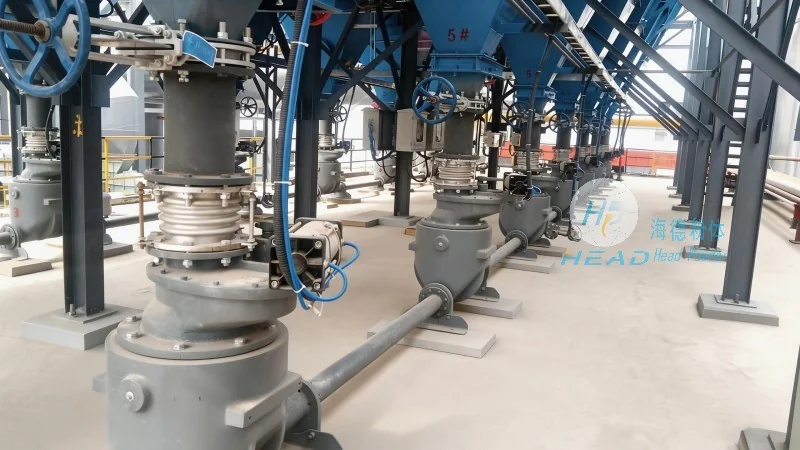
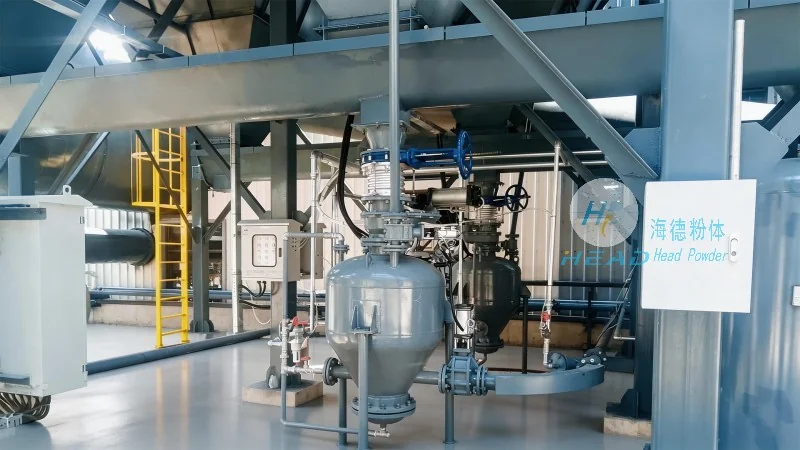
Pneumatic conveying systems use air or other gases to transport PE pellets through a network of pipes. This method is ideal for applications requiring long-distance or high-volume transport, as it can move materials over several hundred meters without the need for multiple transfer points. There are two main types of pneumatic conveyors: pressure and vacuum systems. Pressure systems use compressed air to push the pellets forward, while vacuum systems use suction to draw the material into the pipeline. Pneumatic conveying is particularly effective for preventing product contamination and maintaining a clean environment, as the pellets are enclosed within the pipeline. However, it requires careful control of air pressure and flow rates to avoid material degradation or blockages.
3. Belt Conveyors for Bulk PE Pellet Handling
Belt conveyors are widely used for the horizontal or slightly inclined transport of PE pellets, especially in bulk handling applications. These systems consist of a continuous belt that moves over rollers or idlers, carrying the pellets from one location to another. Belt conveyors are capable of handling large volumes of material at high speeds, making them suitable for high-throughput production lines. They are also relatively low-cost and easy to install, with minimal maintenance requirements. However, belt conveyors may not be suitable for vertical transport or for materials that are prone to segregation or breakage under high impact.
4. Vibrating Conveyors for PE Pellet Movement
Vibrating conveyors utilize mechanical vibrations to move PE pellets along a trough or conveyor bed. The vibrations cause the pellets to move forward in a controlled manner, without the need for a rotating screw or moving parts that come into direct contact with the material. This method is particularly effective for handling materials that are sensitive to impact or abrasion, as the pellets are not subjected to high friction or pressure. Vibrating conveyors are also suitable for inclined or vertical transport, and they can be designed to handle a wide range of pellet sizes and shapes. However, they require careful tuning of the vibration frequency and amplitude to ensure efficient material flow and prevent material buildup or spillage.
5. Bucket Elevators for Vertical PE Pellet Transport
Bucket elevators are specialized conveyors designed for vertical transport of PE pellets. These systems consist of a vertical or inclined conveyor with a series of buckets attached to a chain or belt. As the buckets move up the conveyor, they scoop up the pellets and discharge them at the top. Bucket elevators are highly efficient for vertical transport, as they can move large volumes of material over significant heights with minimal space requirements. They are commonly used in PE processing plants to lift pellets from storage silos to processing units or to move materials between different levels of the facility. However, bucket elevators require regular maintenance to ensure the buckets remain in good condition and to prevent material blockages or wear on the conveyor components.

6. Combination Systems for Complex PE Pellet Conveying
In many industrial applications, a single conveying method may not be sufficient to meet the complex requirements of PE pellet handling. Combination systems, which integrate multiple conveying technologies, are often used to achieve efficient material flow over long distances or through complex layouts. For example, a system might use a screw conveyor to transport pellets from a storage bin to a pneumatic conveyor, which then moves the material to a processing unit. Combination systems allow for greater flexibility and adaptability, as they can be adjusted to accommodate changes in production volume or material characteristics. However, they require careful design and integration to ensure smooth operation and minimize downtime.
Conclusion: Choosing the Right PE Pellet Conveying Method
When selecting a conveying method for PE pellets, it is essential to consider the specific requirements of the application, including the volume of material, the distance to be covered, and the physical properties of the pellets. Each method has its own advantages and limitations, and the optimal choice depends on the overall production goals and operational constraints. By carefully evaluating these factors and consulting with experts in the field, manufacturers can choose the most effective conveying system to ensure efficient and reliable PE pellet handling. Whether using screw conveyors, pneumatic systems, or combination approaches, the goal is to maintain product quality, minimize downtime, and maximize productivity in PE processing operations.

 Công ty TNHH Kỹ thuật Công trình Bột Hải Đức Sơn Đông
 156-6277-7102(Quản lý Trương)
  0531-83386006
  Quận Chương Khâu, Thành phố Tế Nam, Tỉnh Sơn Đông, Trung Quốc
Điện thoại
WeChatTư vấn
Lên đầu