Công ty Hải Đức Bột với hơn 10 năm kinh nghiệm vận chuyển khí, cung cấp hệ thống‑thiết bị‑quạt gió và nhận dự án tổng thầu bột cả nước
Phosphate powder is a critical raw material in various industries, including agriculture, food processing, and chemical manufacturing. Efficient and reliable transport of this fine powder is essential to maintain production continuity and ensure product quality. The choice of conveying method significantly impacts operational efficiency, safety, and cost-effectiveness. This article explores the primary methods used for phosphate powder conveyance, highlighting the key considerations and advantages of each approach.
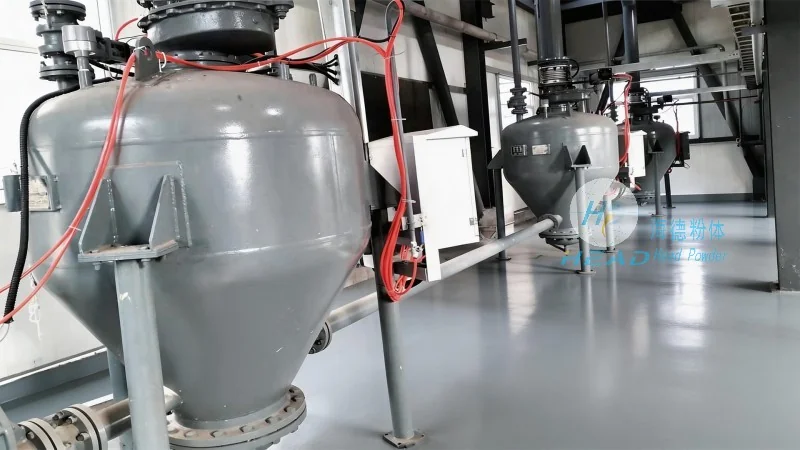
Phosphate Powder Conveying: The Importance of Choosing the Right Method
When handling phosphate powder, selecting an appropriate conveying system is not just a matter of convenience but a strategic decision. The properties of phosphate powder—such as its fine particle size, potential for static charge, and moisture content—require specialized equipment to prevent clogging, degradation, or loss of material. Traditional methods like manual handling or simple bucket elevators are often insufficient for modern industrial demands. Therefore, understanding the available options and their specific applications is crucial for optimizing the conveying process.
Pneumatic Conveying Systems for Phosphate Powder
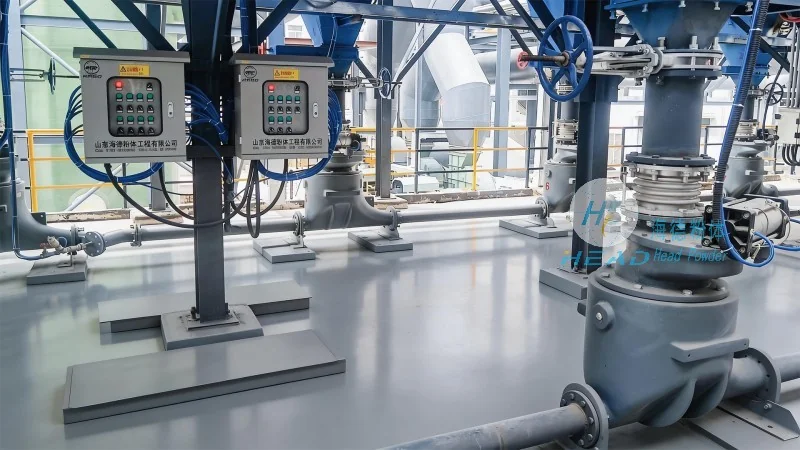
Pneumatic conveying, also known as air conveying, is a widely used method for transporting phosphate powder due to its ability to handle fine, dry powders over long distances without mechanical contact. This system operates by using compressed air to move the powder through a pipeline. There are two main types: dilute-phase and dense-phase pneumatic conveying. Dilute-phase systems use low air velocity to transport the powder in a suspended state, making them suitable for short to medium distances and moderate capacities. Dense-phase systems, on the other hand, use higher air pressure and lower velocity to push the powder in a plug flow, ideal for long-distance transport and preventing material degradation.
Key advantages of pneumatic conveying for phosphate powder include its ability to handle abrasive or corrosive materials, minimal product contamination, and the option for enclosed systems that reduce dust emissions. However, it may require higher energy consumption compared to mechanical systems and can be more complex to install and maintain. The choice between dilute and dense-phase systems depends on the specific requirements of the application, such as the distance to be covered and the desired material handling capacity.
Mechanical Conveying Solutions: Screw and Belt Conveyors
Mechanical conveyors, including screw and belt conveyors, are another common choice for phosphate powder transport. Screw conveyors, also known as auger conveyors, use a rotating screw to move the powder along a trough. They are particularly effective for vertical or inclined transport and are suitable for handling powders with moderate moisture content. Screw conveyors are compact, low-cost, and can be easily integrated into existing systems. However, they may experience clogging with highly cohesive or sticky powders and are generally limited to shorter distances.
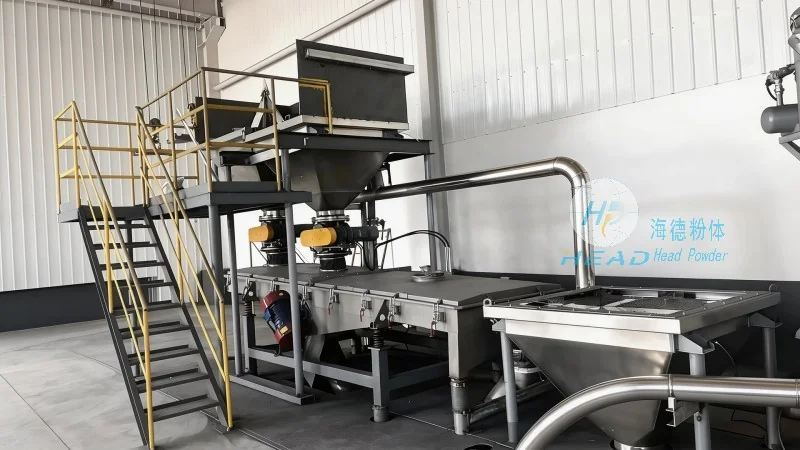
Belt conveyors, on the other hand, use a continuous belt to transport phosphate powder horizontally or at a slight incline. They are ideal for long-distance transport and high-volume applications, such as in mining and bulk material handling. Belt conveyors offer high efficiency, low maintenance, and the ability to handle large quantities of material. However, they require a larger footprint and may not be suitable for fine powders that can cause dust issues or degrade the belt material.
Hybrid Conveying Systems: Combining Efficiency and Versatility
In some cases, combining pneumatic and mechanical conveying technologies can offer the best of both worlds. Hybrid systems, such as pneumatic screw conveyors or integrated conveying lines, allow for flexibility in handling different powder types and operational conditions. For example, a pneumatic system might be used to transport phosphate powder from a storage silo to a processing plant, while a screw conveyor handles the material within the plant. This approach maximizes efficiency by leveraging the strengths of each technology and minimizing the weaknesses.
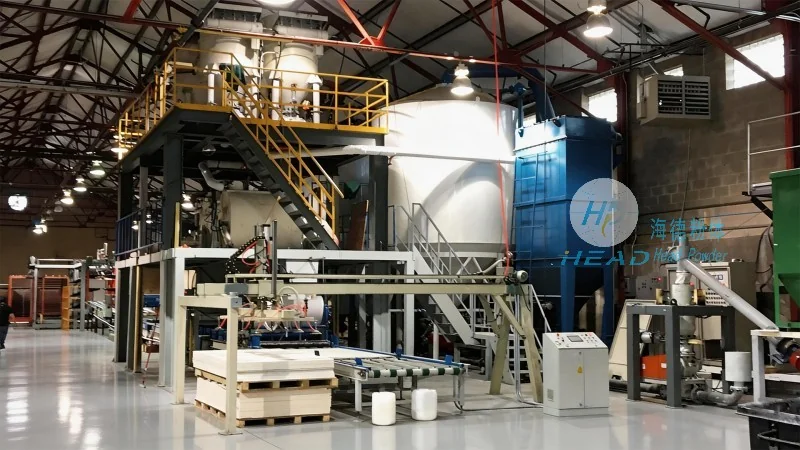
Factors to Consider When Selecting a Conveying Method
Choosing the right conveying method for phosphate powder involves evaluating several key factors. The first is the physical properties of the powder itself, including particle size, moisture content, and flowability. Powders with high moisture content or cohesive properties may require specialized equipment like vibratory conveyors or air-swept systems. The second factor is the distance and layout of the conveying line. Short distances may be suitable for screw or belt conveyors, while long distances demand pneumatic or hybrid systems. Third, the required capacity and throughput must be considered, as different systems have varying handling capacities. Finally, operational costs, including energy consumption, maintenance, and initial investment, play a significant role in the decision-making process.
HeadPowder Engineering: Your Partner in Phosphate Powder Conveying
Shandong HeadPowder Engineering Co., Ltd. specializes in providing tailored conveying solutions for phosphate powder and other fine materials. With a deep understanding of the unique challenges associated with handling phosphate powder, HeadPowder Engineering offers a range of equipment and systems designed to meet the specific needs of each client. The company’s expertise in pneumatic, mechanical, and hybrid conveying systems ensures that clients receive the most efficient and reliable solutions for their operations. Located in Shandong, China, HeadPowder Engineering combines advanced technology with local knowledge to deliver high-quality, cost-effective conveying solutions that enhance productivity and safety in phosphate powder handling.

 Công ty TNHH Kỹ thuật Công trình Bột Hải Đức Sơn Đông
 156-6277-7102(Quản lý Trương)
  0531-83386006
  Quận Chương Khâu, Thành phố Tế Nam, Tỉnh Sơn Đông, Trung Quốc
Điện thoại
WeChatTư vấn
Lên đầu