Công ty Hải Đức Bột với hơn 10 năm kinh nghiệm vận chuyển khí, cung cấp hệ thống‑thiết bị‑quạt gió và nhận dự án tổng thầu bột cả nước
Aluminum oxide, a critical material in various industrial applications, requires efficient and reliable conveying systems to ensure smooth operations. The choice of conveying method depends on factors such as material properties, production scale, and operational environment. This article explores the primary methods used for aluminum oxide transport, highlighting the expertise of Shandong HeadPowder Engineering Co., Ltd. in providing tailored solutions for this demanding industry.
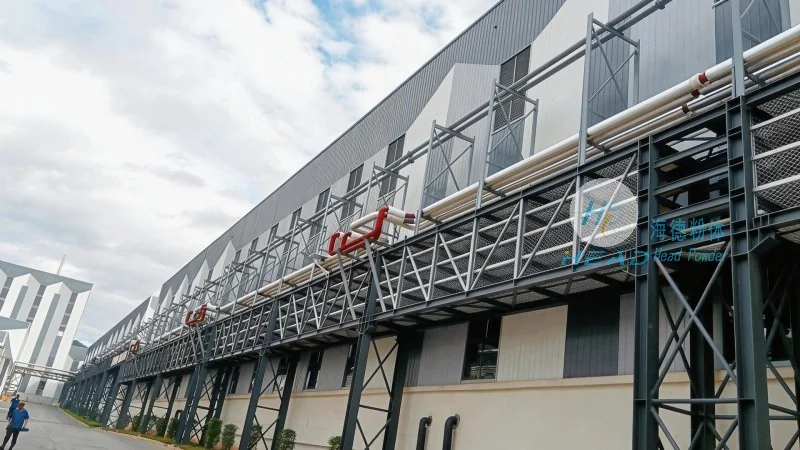
Understanding Aluminum Oxide and Its Conveying Challenges
Aluminum oxide, also known as alumina, is a versatile material widely used in ceramics, refractories, and chemical industries. Its abrasive nature and varying particle sizes pose unique challenges during transportation. Traditional methods may struggle with material buildup, wear on equipment, and inconsistent flow rates. Shandong HeadPowder Engineering Co., Ltd. specializes in addressing these challenges through innovative conveying solutions that enhance efficiency and durability.
Common Conveying Methods for Aluminum Oxide
Several methods are employed to transport aluminum oxide, each with distinct advantages and applications. The most common approaches include mechanical conveyors, such as belt conveyors and screw conveyors, and pneumatic systems like vacuum and pressure conveyors. Mechanical conveyors are suitable for bulk handling and long-distance transport, while pneumatic systems excel in handling fine powders and providing dust-free environments.
Mechanical Conveying Systems: Belt and Screw Conveyors
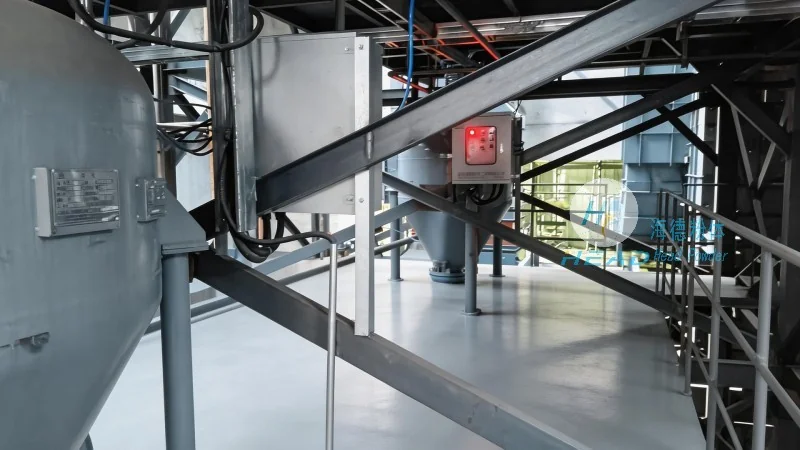
Belt conveyors are widely used for aluminum oxide transport due to their ability to handle large volumes and accommodate varying particle sizes. These systems consist of a continuous belt that moves material along a trough or open channel. The design allows for gentle material handling, reducing wear and tear on the product. Shandong HeadPowder Engineering Co., Ltd. offers customized belt conveyor solutions that optimize throughput and minimize downtime. Screw conveyors, or augers, are another effective option, particularly for vertical or inclined transport. They are ideal for handling free-flowing materials and can be integrated with feeding and discharging mechanisms to streamline production processes.
Pneumatic Conveying Systems: Vacuum and Pressure Types
Pneumatic conveying systems utilize air to transport aluminum oxide, offering advantages in dust control and flexibility. Vacuum conveyors draw material from a source and transport it to a destination, making them suitable for short to medium distances. Pressure conveyors, on the other hand, push material through a pipeline using compressed air, enabling longer transport distances and higher material velocities. Both systems are designed to handle fine powders and minimize material degradation. Shandong HeadPowder Engineering Co., Ltd. specializes in designing pneumatic systems that ensure consistent flow rates and efficient material transfer, even for abrasive materials like aluminum oxide.
Specialized Conveying Solutions for Aluminum Oxide
For industries requiring high precision and minimal material loss, specialized conveying methods are employed. These include rotary valve systems, which control material flow by rotating to open and close ports, and bucket elevators, which use buckets to lift and transport material vertically. Shandong HeadPowder Engineering Co., Ltd. provides customized solutions that address specific operational needs, ensuring optimal performance and longevity. The company’s expertise in material handling technology allows for the development of tailored systems that meet the unique demands of aluminum oxide processing.
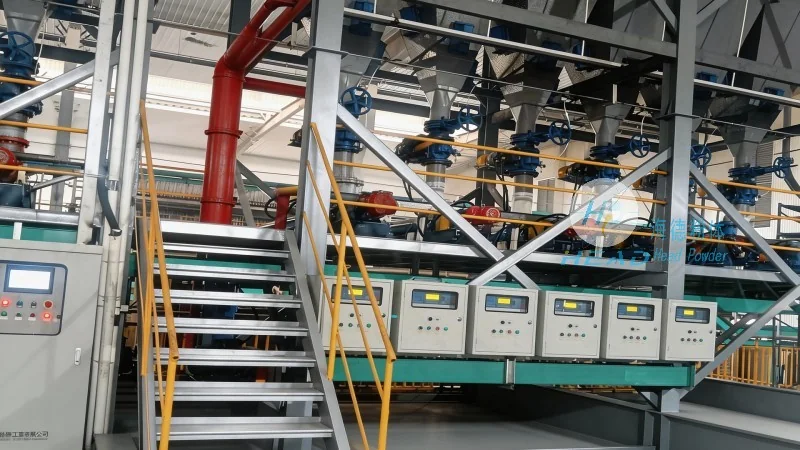
Factors to Consider When Choosing a Conveying Method
The selection of an aluminum oxide conveying method depends on several key factors. Material properties, such as particle size distribution and moisture content, influence the choice of equipment. Production scale and throughput requirements also play a crucial role, as larger operations may require more robust systems. Operational environment, including space constraints and environmental regulations, further impact the decision-making process. Shandong HeadPowder Engineering Co., Ltd. assists clients in evaluating these factors and recommending the most suitable conveying solution, ensuring cost-effectiveness and operational efficiency.
Conclusion: Tailored Conveying Solutions from HeadPowder
Efficient aluminum oxide conveying is essential for maintaining productivity and ensuring product quality in industrial applications. Shandong HeadPowder Engineering Co., Ltd. offers a range of specialized conveying systems, including mechanical and pneumatic solutions, tailored to meet the unique needs of clients. With a focus on durability, efficiency, and innovation, the company provides reliable solutions that enhance operational performance. By leveraging their expertise in material handling technology, HeadPowder ensures that aluminum oxide is transported safely and effectively, supporting the success of various industrial sectors.

 Công ty TNHH Kỹ thuật Công trình Bột Hải Đức Sơn Đông
 156-6277-7102(Quản lý Trương)
  0531-83386006
  Quận Chương Khâu, Thành phố Tế Nam, Tỉnh Sơn Đông, Trung Quốc
Điện thoại
WeChatTư vấn
Lên đầu