Công ty Hải Đức Bột với hơn 10 năm kinh nghiệm vận chuyển khí, cung cấp hệ thống‑thiết bị‑quạt gió và nhận dự án tổng thầu bột cả nước
Efficient and reliable powder handling is a critical aspect of modern industrial operations, impacting productivity, safety, and product quality across various sectors such as pharmaceuticals, food processing, and chemical manufacturing. The choice of a suitable powder conveying system depends on several factors, including the type of material, required throughput, environmental conditions, and space constraints. This article provides a detailed comparison of common powder handling methods, highlighting their advantages, limitations, and typical applications, with a focus on the expertise of Shandong HeadPowder Engineering Co., Ltd., a leading provider of powder handling solutions based in Shandong, China.
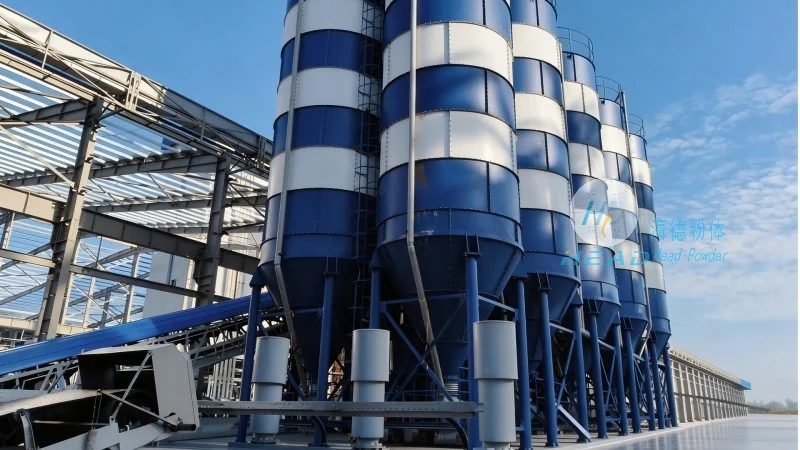
1. Pneumatic Conveying Systems
Pneumatic conveying, also known as air conveying, is a widely used method for transporting dry powders and granules. This technology utilizes compressed air or other gases to move material through a pipeline system. There are two main types of pneumatic conveying: pressure and vacuum systems. Pressure systems operate by blowing air into the pipeline, pushing the material forward, while vacuum systems create a negative pressure to draw material into the pipeline. Pneumatic conveying offers several benefits, including high throughput, flexibility in layout, and the ability to transport materials over long distances. However, it may require higher energy consumption compared to other methods and can be sensitive to material properties like moisture content and particle size distribution. Shandong HeadPowder Engineering Co., Ltd. specializes in designing and manufacturing customized pneumatic conveying systems tailored to specific industrial needs, ensuring optimal performance and efficiency.
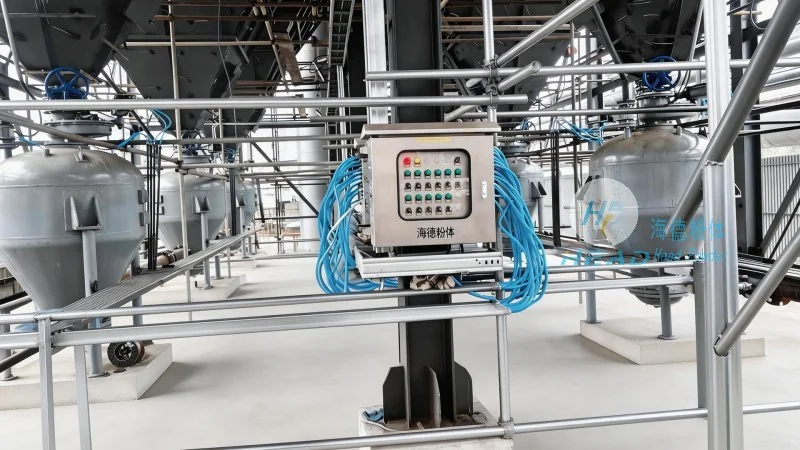
2. Screw Conveyors
Screw conveyors, also known as auger conveyors, are mechanical devices that use a rotating screw to move powders and bulk materials. The screw, typically made of stainless steel or other corrosion-resistant materials, rotates within a trough or tube, pushing the material forward. Screw conveyors are suitable for a wide range of materials, including free-flowing and semi-free-flowing powders, and can handle both horizontal and inclined transport. They are known for their simplicity, low maintenance, and ability to mix materials during transport. However, screw conveyors may experience issues with material bridging or blockages, especially with cohesive or sticky powders. Additionally, they are generally less effective for long-distance transport compared to pneumatic systems. Shandong HeadPowder Engineering Co., Ltd. offers screw conveyor solutions that are engineered for durability and reliability, with options for variable speed control and material discharge mechanisms.
3. Vibrating Conveyors
Vibrating conveyors utilize vibration to move powders and granules along a conveyor bed. The conveyor is typically a trough or tube that is mounted on a vibrating mechanism, causing the material to move forward due to the vibration. This method is particularly effective for handling cohesive or sticky materials that may cause blockages in other systems. Vibrating conveyors are energy-efficient and can operate in various environmental conditions, including dusty or wet environments. They are also suitable for inclined transport and can be designed to handle high volumes of material. However, they may require more space compared to other methods and can be less effective for very fine powders. Shandong HeadPowder Engineering Co., Ltd. provides vibrating conveyor systems that are designed to minimize maintenance and ensure consistent material flow, with adjustable vibration frequencies to optimize performance for different materials.
4. Belt Conveyors
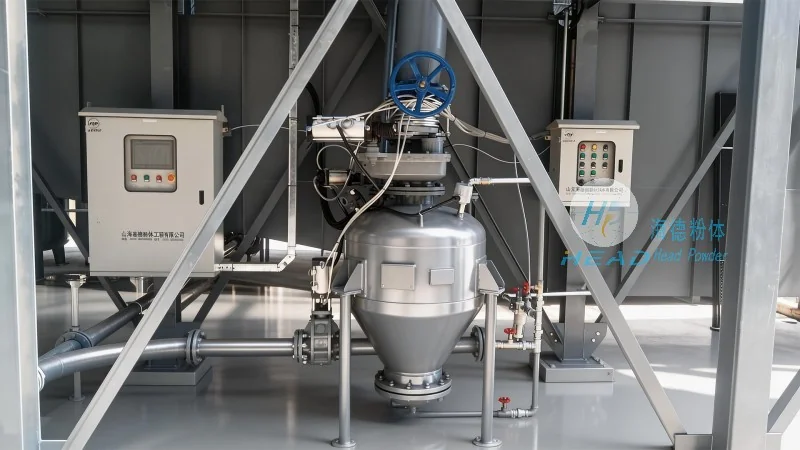
Belt conveyors are a classic method for transporting powders and bulk materials, using a continuous belt to move material from one point to another. The belt is typically made of rubber or other durable materials and is supported by rollers or idlers. Belt conveyors are suitable for both horizontal and inclined transport and can handle a wide range of materials, including powders and granules. They are known for their high capacity and ability to transport materials over long distances. However, belt conveyors may require regular maintenance to prevent belt wear and material spillage, and they are less suitable for fine powders that may cause dust issues. Shandong HeadPowder Engineering Co., Ltd. offers belt conveyor solutions with advanced features such as variable speed drives and dust control systems, ensuring safe and efficient material handling.
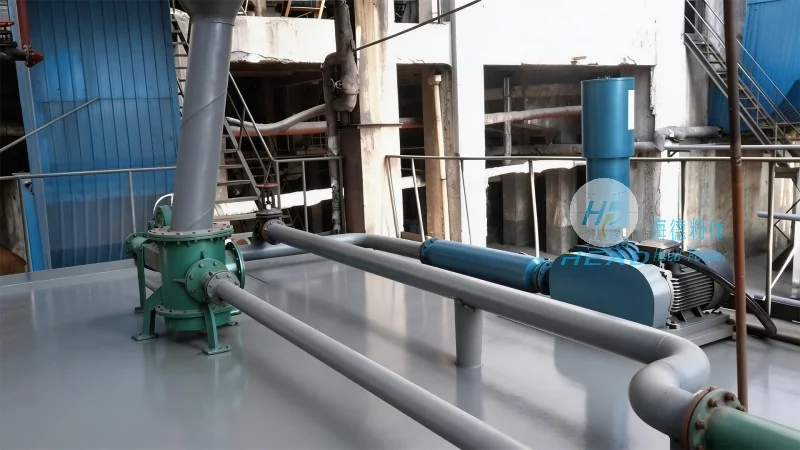
5. Comparison and Selection Criteria
When selecting a powder handling method, several factors must be considered to ensure the most suitable solution. The type of material is a primary consideration, as different materials have varying properties that affect the choice of system. For example, cohesive or sticky powders may require vibrating conveyors or specialized pneumatic systems, while free-flowing powders can be handled by screw or belt conveyors. Throughput requirements also play a crucial role, as higher volumes may necessitate pneumatic or belt conveyor systems. Environmental conditions, such as the presence of dust or moisture, can influence the selection of materials and system components. Additionally, space constraints and budget considerations are important factors in the decision-making process. Shandong HeadPowder Engineering Co., Ltd. assists clients in evaluating these factors and designing customized powder handling systems that meet their specific operational and performance requirements, ensuring optimal efficiency and reliability.
Conclusion
In conclusion, the choice of a powder handling method depends on a combination of material properties, operational requirements, and environmental factors. Pneumatic conveying offers high throughput and flexibility, while screw and vibrating conveyors provide mechanical solutions with lower energy consumption. Belt conveyors are ideal for long-distance transport but require more maintenance. Shandong HeadPowder Engineering Co., Ltd., with its expertise in powder handling technology, provides comprehensive solutions tailored to the unique needs of each industrial application. By understanding the advantages and limitations of each method, industries can select the most appropriate powder conveying system to enhance productivity, safety, and overall operational efficiency.

 Công ty TNHH Kỹ thuật Công trình Bột Hải Đức Sơn Đông
 156-6277-7102(Quản lý Trương)
  0531-83386006
  Quận Chương Khâu, Thành phố Tế Nam, Tỉnh Sơn Đông, Trung Quốc
Điện thoại
WeChatTư vấn
Lên đầu