Công ty Hải Đức Bột với hơn 10 năm kinh nghiệm vận chuyển khí, cung cấp hệ thống‑thiết bị‑quạt gió và nhận dự án tổng thầu bột cả nước
When it comes to the efficient and reliable handling of zinc powder in industrial applications, selecting the right conveying method is crucial. The choice of conveying system directly impacts production efficiency, material quality, and operational costs. This article provides a detailed comparison of common zinc powder conveying methods, helping industrial operators make informed decisions based on their specific requirements.
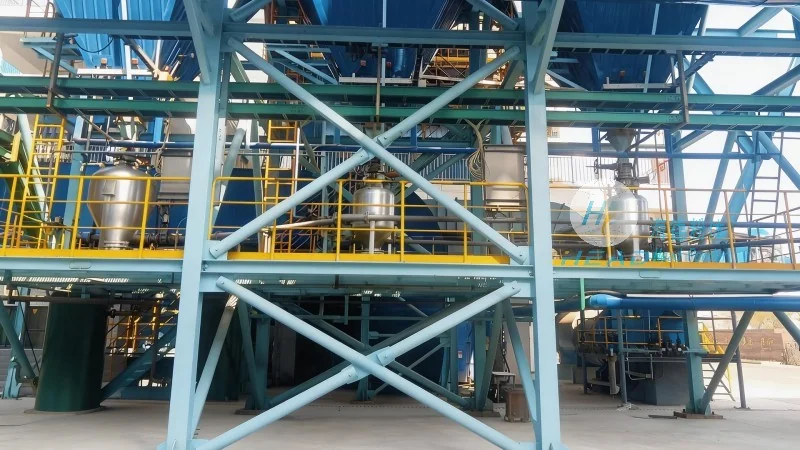
Introduction to Zinc Powder Conveying Systems
Before diving into the specifics of different conveying methods, it's essential to understand the fundamental principles of zinc powder handling. Zinc powder, with its fine particle size and reactivity, demands specialized equipment to prevent caking, segregation, and loss of material. The primary goal of any conveying system is to transport the powder from a storage or processing point to the next stage of production without compromising its integrity or quality. Shandong HeadPowder Engineering Co., Ltd., a leading manufacturer in the field, specializes in designing and supplying advanced zinc powder conveying solutions tailored to diverse industrial needs.
1. Air-Pressure Conveying (Pneumatic Conveying)
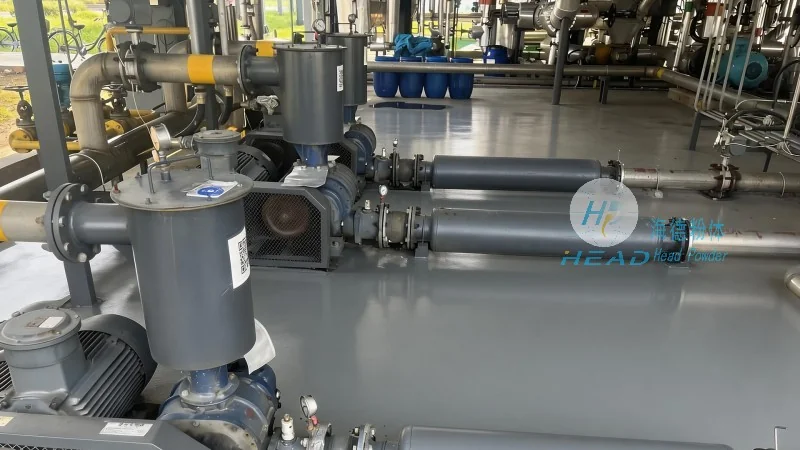
Air-pressure conveying, also known as pneumatic conveying, is one of the most widely used methods for zinc powder transport. This system utilizes compressed air to move the powder through a pipeline. There are two main types: pressure and vacuum systems. In pressure systems, air is pumped into a hopper or storage tank, creating positive pressure that forces the powder through the pipeline to the destination. Vacuum systems, on the other hand, use a vacuum to draw the powder from the source to the receiver. The choice between pressure and vacuum depends on the distance, height, and volume of material to be conveyed. For zinc powder, air-pressure conveying offers advantages such as low maintenance, ability to handle fine powders, and the option to transport materials over long distances. However, it requires careful control of air pressure and flow rates to prevent material degradation or system blockages. HeadPowder's pneumatic conveying systems are engineered with high-quality materials and advanced control mechanisms to ensure optimal performance and longevity.
2. Screw Conveyors
Screw conveyors are another common method for zinc powder handling, particularly in applications where horizontal or slight incline transport is required. This equipment consists of a rotating screw (or helical blade) inside a trough or tube. As the screw rotates, it pushes the powder forward, similar to an Archimedes' screw. Screw conveyors are known for their simplicity, low cost, and ability to handle a wide range of materials, including fine powders like zinc. They are particularly effective for short to medium distances and can be easily integrated into existing production lines. However, screw conveyors may experience issues with material buildup on the screw surface, especially with cohesive powders like zinc, which can lead to reduced efficiency and increased wear. To mitigate this, HeadPowder designs screw conveyors with special coatings and anti-caking mechanisms that minimize material adhesion and ensure smooth operation.
3. Vibrating Conveyors
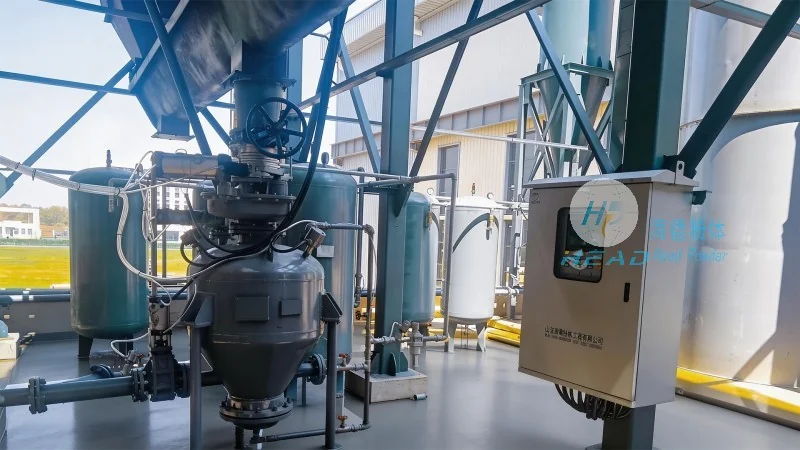
Vibrating conveyors use mechanical vibration to move zinc powder along a trough. The system consists of a conveyor bed that is vibrated at specific frequencies and amplitudes, causing the powder to move forward due to the vibration-induced motion. This method is ideal for handling bulk materials, including zinc powder, over moderate distances. Vibrating conveyors are particularly useful when the material needs to be conveyed at an angle or when there are space constraints. They are also effective in preventing material segregation and caking, as the vibration helps maintain a uniform flow. However, the design of the vibrating system must be carefully optimized to avoid excessive wear on the conveyor components and to ensure consistent material movement. HeadPowder's vibrating conveyors are equipped with adjustable vibration parameters, allowing operators to fine-tune the system for optimal performance with different types of zinc powder.
4. Bucket Elevators
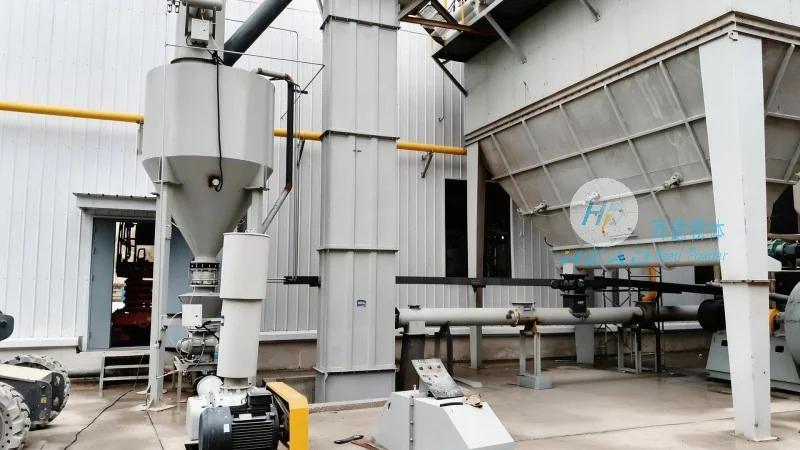
For vertical or high-rise transport of zinc powder, bucket elevators are a reliable choice. This system consists of a continuous chain with buckets attached, which moves the powder vertically between two points. As the buckets ascend, they carry the powder to the top of the elevator, where it is discharged. Bucket elevators are capable of handling large volumes of material and can transport zinc powder over significant vertical distances. They are particularly suitable for applications where the material needs to be lifted to a higher level, such as in storage silos or processing plants. However, bucket elevators require regular maintenance to ensure the buckets remain in good condition and to prevent material spillage. HeadPowder manufactures bucket elevators with durable materials and robust construction to withstand the demands of zinc powder handling, ensuring long-term reliability and minimal downtime.
5. Comparison and Selection Criteria
When selecting a zinc powder conveying method, several factors must be considered to ensure the best fit for the application. The primary factors include the distance and height of the transport, the volume of material to be handled, the required speed of operation, and the characteristics of the zinc powder itself (e.g., particle size, moisture content, and reactivity). Air-pressure conveying is often preferred for long-distance or high-rise transport, while screw and vibrating conveyors are better suited for shorter distances or horizontal transport. The cost of installation and maintenance is also a critical factor, with screw conveyors generally being the most economical option and air-pressure systems requiring higher initial investment but lower maintenance costs over time. Additionally, the need for dust control and environmental compliance should be considered, as some conveying methods may generate more dust than others. Shandong HeadPowder Engineering Co., Ltd. offers comprehensive consultation services to help clients evaluate these factors and choose the most appropriate zinc powder conveying system for their specific needs.

 Công ty TNHH Kỹ thuật Công trình Bột Hải Đức Sơn Đông
 156-6277-7102(Quản lý Trương)
  0531-83386006
  Quận Chương Khâu, Thành phố Tế Nam, Tỉnh Sơn Đông, Trung Quốc
Điện thoại
WeChatTư vấn
Lên đầu