Công ty Hải Đức Bột với hơn 10 năm kinh nghiệm vận chuyển khí, cung cấp hệ thống‑thiết bị‑quạt gió và nhận dự án tổng thầu bột cả nước
For agricultural and industrial applications, the efficient and reliable transport of grass pellets is crucial. Various conveying methods are employed to handle these materials, each with distinct advantages and limitations. This article provides a detailed comparison of common grass pellet conveying methods, helping users select the most suitable option for their specific needs.
1. Screw Conveyor (Auger Conveyor)
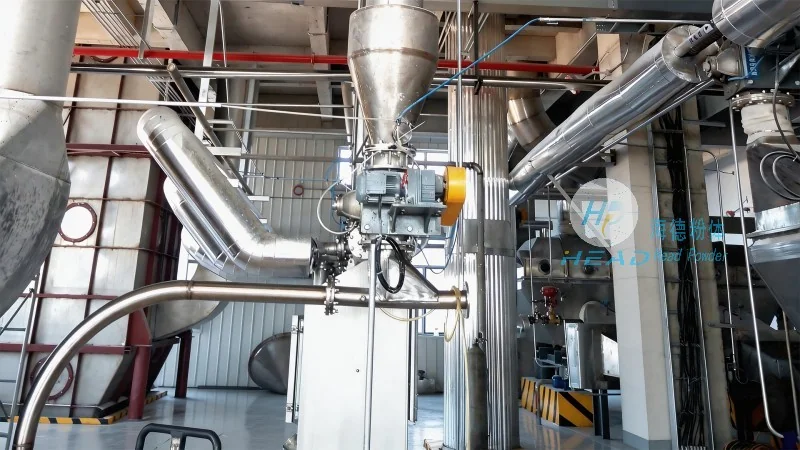
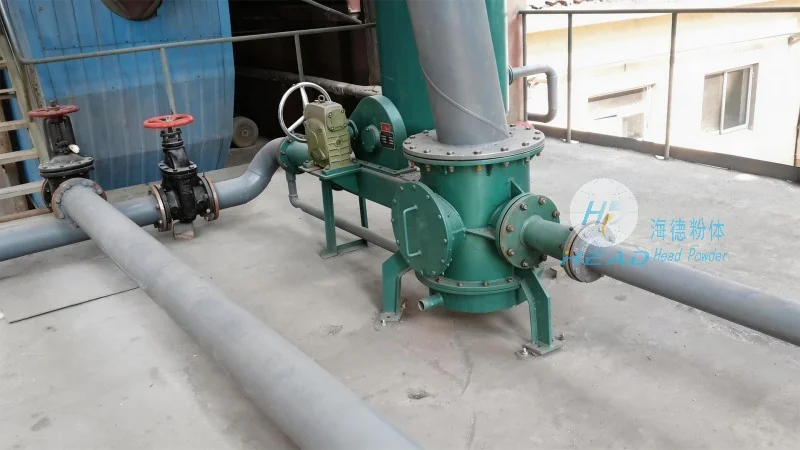
The screw conveyor, also known as an auger conveyor, is a widely used method for transporting grass pellets. It consists of a rotating helical screw inside a cylindrical tube. As the screw rotates, it pushes the pellets forward along the tube. This method is particularly effective for horizontal or slightly inclined transport and is suitable for moderate to high volume applications. The screw conveyor offers advantages such as simplicity, low maintenance, and the ability to handle a wide range of pellet sizes. However, it may experience wear and tear on the screw and tube over time, especially with abrasive materials. The system is also limited in vertical lift height and may not be suitable for long-distance transport without additional components like elevators.
2. Pneumatic Conveying System
Pneumatic conveying, or air-powered transport, uses compressed air to move grass pellets through a pipeline. This method can be either positive pressure (where air pushes the pellets) or negative pressure (where air pulls the pellets). Positive pressure systems are often preferred for short to medium distances and are effective for handling fine or dusty pellets. Negative pressure systems are better suited for longer distances and can handle larger particles. Pneumatic conveying offers high flexibility, as it can transport materials over long distances and even change direction. However, it requires a significant amount of energy to operate and may be less efficient for very long distances. Additionally, the system needs regular maintenance to ensure the air filters and pipelines remain clean and free from blockages.
3. Belt Conveyor
Belt conveyors use a continuous belt to transport grass pellets. The belt is typically made of rubber or synthetic materials and runs over rollers or pulleys. This method is ideal for long-distance horizontal transport and can handle large volumes of material. Belt conveyors are known for their high capacity and low maintenance requirements. They are also suitable for transporting pellets over uneven or inclined surfaces. However, belt conveyors require a significant amount of space and may be less efficient for vertical lifting compared to other methods. The belt itself can be prone to wear and may need replacement over time, especially if the pellets are abrasive.
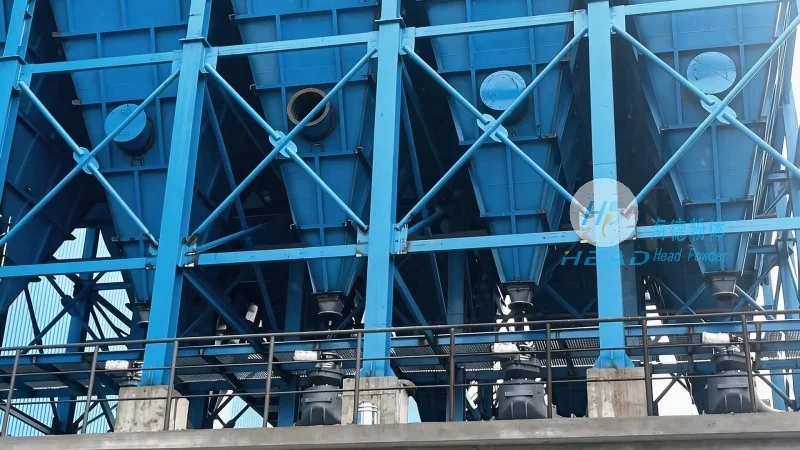
4. Bucket Elevator
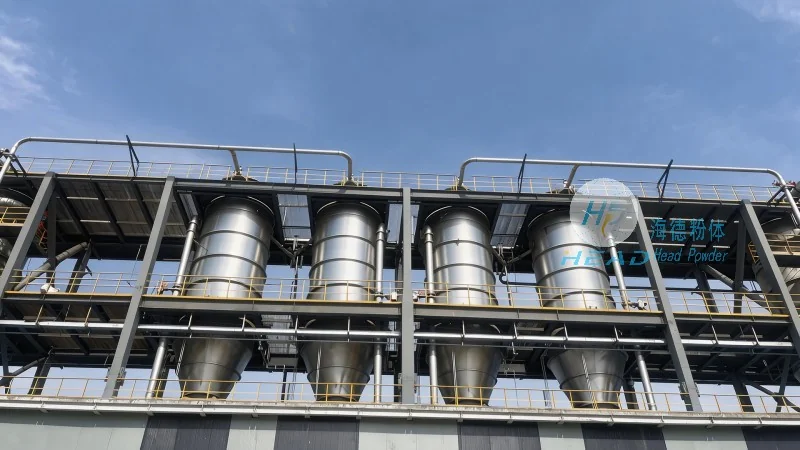
Bucket elevators are vertical or inclined conveyors that use a series of buckets attached to a belt or chain to lift and transport grass pellets. The buckets are filled at the bottom and travel up the elevator, discharging the pellets at the top. This method is highly efficient for vertical transport and is commonly used in feed mills and processing plants. Bucket elevators can handle a wide range of pellet sizes and are capable of lifting materials to significant heights. They offer advantages such as high capacity and the ability to transport materials over vertical distances without the need for additional equipment. However, bucket elevators are more complex and expensive to install compared to other methods. They also require regular maintenance to ensure the buckets and drive system operate smoothly.
About Shandong HeadPowder Engineering Co., Ltd.
Shandong HeadPowder Engineering Co., Ltd., commonly known as headpowder, is a leading manufacturer specializing in conveying and processing equipment for agricultural and industrial applications. With a strong focus on innovation and quality, the company provides customized solutions tailored to the specific needs of its clients. HeadPowder's products are designed to enhance efficiency, reduce operational costs, and ensure reliable performance in various grass pellet conveying applications. The company's headquarters is located in Shandong, China, where it leverages advanced technology and skilled expertise to develop cutting-edge equipment for the industry.

 Công ty TNHH Kỹ thuật Công trình Bột Hải Đức Sơn Đông
 156-6277-7102(Quản lý Trương)
  0531-83386006
  Quận Chương Khâu, Thành phố Tế Nam, Tỉnh Sơn Đông, Trung Quốc
Điện thoại
WeChatTư vấn
Lên đầu