Công ty Hải Đức Bột với hơn 10 năm kinh nghiệm vận chuyển khí, cung cấp hệ thống‑thiết bị‑quạt gió và nhận dự án tổng thầu bột cả nước
Efficient and reliable cement slurry delivery is a critical aspect of construction and industrial processes, particularly in applications such as well drilling, foundation installation, and concrete placement. The choice of delivery method significantly impacts project efficiency, cost, and safety. This article provides a detailed comparison of common cement slurry delivery methods, highlighting their advantages, limitations, and typical applications.
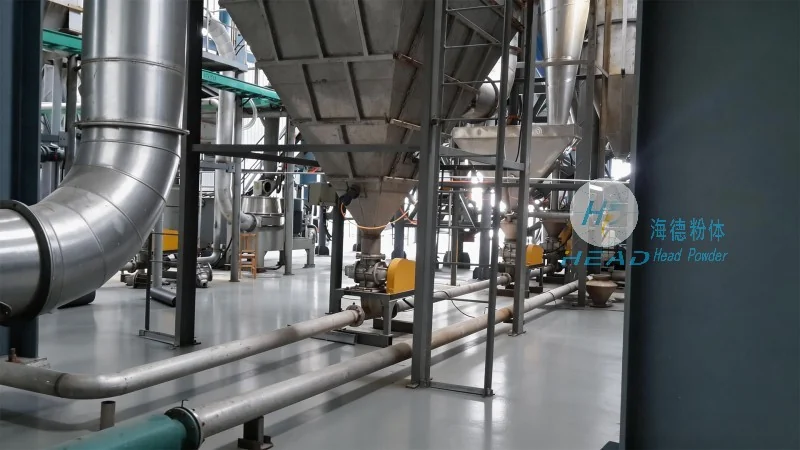
1. Pneumatic Conveying Systems
Pneumatic conveying systems utilize air or other gases to transport cement slurry through a pipeline. This method is widely used for short to medium distances and is particularly effective for handling dry powders and fine slurries. The primary advantage of pneumatic conveying is its ability to transport materials without mechanical contact, reducing wear and tear on equipment. However, it may not be suitable for high-viscosity slurries or large volumes due to the pressure requirements and potential for material degradation. Pneumatic systems are commonly employed in applications like bulk material handling and small-scale construction projects where flexibility and ease of installation are prioritized.
2. Hydraulic Conveying Systems
Hydraulic conveying systems rely on water or other liquids to transport cement slurry through pipes. This method is ideal for long-distance and high-volume applications, as it can handle high-viscosity slurries and large quantities of material with minimal pressure loss. The hydraulic system typically includes pumps, valves, and storage tanks, ensuring consistent flow and pressure control. A key advantage is its ability to maintain a stable flow rate, which is crucial for maintaining the quality of the cement slurry. However, hydraulic systems require regular maintenance to prevent clogging and corrosion, and they may be less efficient for transporting dry powders compared to pneumatic systems. Hydraulic conveying is commonly used in large-scale construction projects, such as dam construction and deep foundation installation, where long-distance transport is necessary.
3. Screw Conveyors
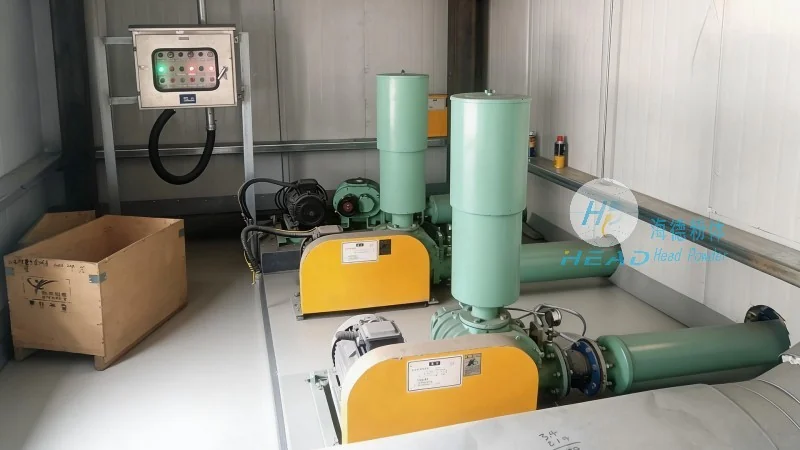
Screw conveyors use a rotating screw to move cement slurry along a trough or pipe. This method is suitable for horizontal or slightly inclined transport and is commonly used in batching plants and storage facilities. The screw conveyor provides a continuous and controlled flow of material, making it easy to integrate with other equipment. A major advantage is its simplicity and low maintenance requirements, as it has few moving parts. However, screw conveyors may not be suitable for high-viscosity slurries or abrasive materials, as the screw and trough can experience wear over time. They are typically used for short-distance transport within a facility, such as moving cement from storage to a mixing area.
4. Belt Conveyors
Belt conveyors use a continuous belt to transport cement slurry over rollers or idlers. This method is effective for both horizontal and inclined transport and can handle large volumes of material. The belt conveyor is highly efficient and can operate continuously for extended periods, making it suitable for high-throughput applications. A key advantage is its ability to transport materials over long distances with minimal energy consumption. However, belt conveyors require regular maintenance to prevent belt wear and slippage, and they may not be suitable for highly abrasive or sticky slurries. They are commonly used in industrial settings, such as cement plants and construction sites, where bulk material transport is required.
5. Pumping Systems
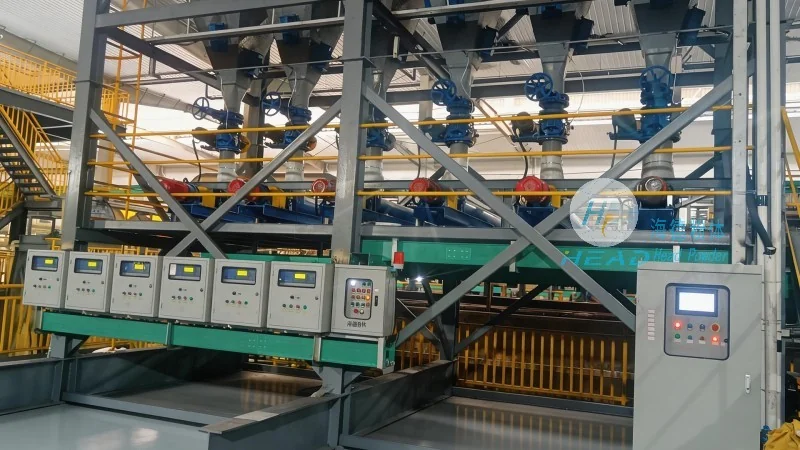
Pumping systems use pumps to transport cement slurry through pipes, often in conjunction with other equipment like mixers and storage tanks. This method is versatile and can handle a wide range of viscosities and volumes. The primary advantage is its ability to maintain a consistent flow rate and pressure, ensuring the quality of the cement slurry. However, pumping systems require regular maintenance to prevent pump wear and clogging, and they may be less efficient for dry powders compared to pneumatic systems. Pumping is commonly used in applications where precise control of flow and pressure is necessary, such as in well cementing operations and large-scale concrete placement.
6. HeadPowder's Expertise in Cement Slurry Delivery
Shandong HeadPowder Engineering Co., Ltd., a leading provider of cement slurry delivery solutions, specializes in designing and manufacturing customized systems tailored to specific project requirements. With a focus on efficiency, reliability, and cost-effectiveness, HeadPowder offers a range of equipment, including pneumatic, hydraulic, and pumping systems, to meet the diverse needs of the construction and industrial sectors. The company's expertise lies in integrating advanced technology with practical applications, ensuring that clients receive solutions that are both effective and sustainable. HeadPowder's commitment to quality and customer satisfaction has made it a trusted partner for projects across China and beyond.
Conclusion
Choosing the right cement slurry delivery method depends on several factors, including distance, volume, viscosity, and project requirements. Pneumatic systems excel in short-distance and dry powder applications, while hydraulic systems are ideal for long-distance and high-volume tasks. Screw and belt conveyors are suitable for horizontal transport within facilities, and pumping systems provide precise control for specialized applications. By understanding the strengths and limitations of each method, project managers can select the most appropriate solution to optimize efficiency and ensure successful project outcomes. For those seeking reliable and customized cement slurry delivery solutions, Shandong HeadPowder Engineering Co., Ltd. offers a comprehensive range of equipment and expertise to meet their needs.

 Công ty TNHH Kỹ thuật Công trình Bột Hải Đức Sơn Đông
 156-6277-7102(Quản lý Trương)
  0531-83386006
  Quận Chương Khâu, Thành phố Tế Nam, Tỉnh Sơn Đông, Trung Quốc
Điện thoại
WeChatTư vấn
Lên đầu