Công ty Hải Đức Bột với hơn 10 năm kinh nghiệm vận chuyển khí, cung cấp hệ thống‑thiết bị‑quạt gió và nhận dự án tổng thầu bột cả nước
Crystal transport is a critical process in many industrial applications, particularly in the chemical, pharmaceutical, and food processing sectors. The efficiency and reliability of the transport system directly impact production quality and operational costs. This article provides a detailed comparison of common crystal transport methods, focusing on their principles, advantages, and typical applications. The information is presented by Shandong HeadPowder Engineering Co., Ltd., a leading provider of specialized material handling solutions based in Shandong, China.
Understanding Crystal Transport Systems
Before delving into specific transport methods, it is essential to understand the fundamental requirements for handling crystalline materials. Crystals often have unique properties such as irregular shapes, varying sizes, and potential for agglomeration or bridging. These characteristics necessitate specialized equipment designed to minimize product degradation and ensure smooth material flow. The choice of transport method depends on factors like material characteristics, production scale, environmental constraints, and budget considerations.
1. Screw Conveyors for Crystal Transport
Screw conveyors, also known as auger conveyors, are among the most widely used equipment for transporting crystalline materials. This method operates by rotating a helical screw within a trough, which moves the material forward through the system. For crystal transport, screw conveyors are particularly effective when dealing with free-flowing, non-abrasive crystals that do not require high-velocity movement. The key advantages of screw conveyors include their simplicity, low maintenance, and ability to handle materials at various angles. They are commonly used in applications where the material is to be elevated or moved horizontally over short to medium distances. However, screw conveyors may not be suitable for highly abrasive or sticky crystals, as this can lead to wear and reduced efficiency.
2. Vibrating Conveyors for Crystal Handling
Vibrating conveyors utilize mechanical vibrations to move crystalline materials along a conveyor bed. The system typically consists of a trough supported by vibration motors, which create a sinusoidal motion. This motion causes the material to move forward by a combination of sliding and rolling. Vibrating conveyors are well-suited for transporting crystals that are cohesive or have a tendency to bridge, as the vibrations help break up agglomerates and prevent material stagnation. They are also effective for handling materials with high moisture content or those that are prone to caking. The primary benefits of vibrating conveyors include their ability to handle a wide range of material types, including sticky or abrasive crystals, and their low energy consumption. However, they may require more maintenance than screw conveyors due to the moving parts and vibration mechanisms.
3. Pneumatic Conveying Systems for Crystal Transport
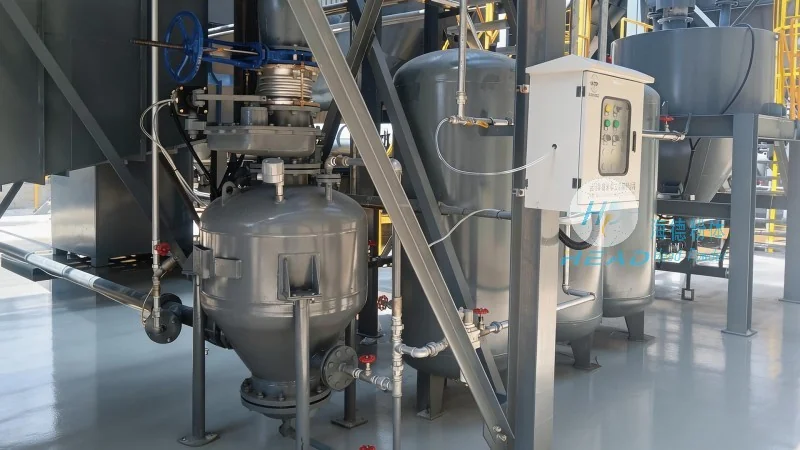
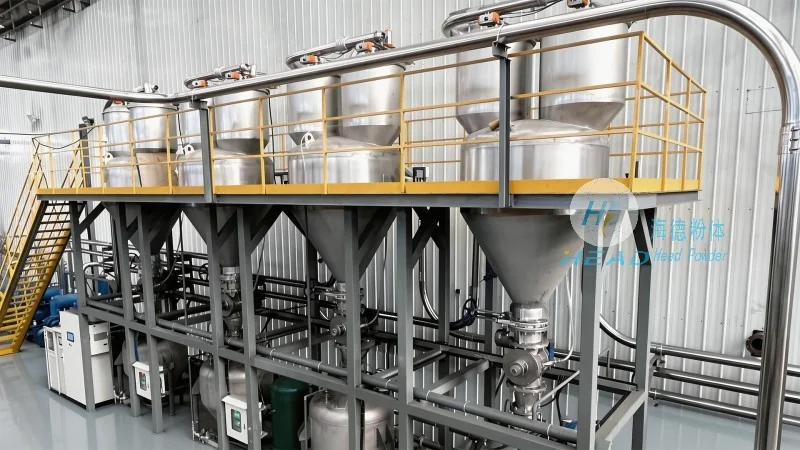
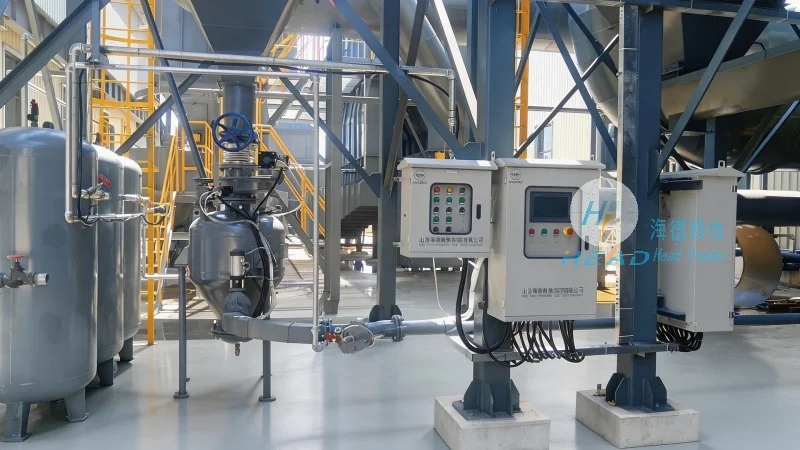
Pneumatic conveying, or air-based transport, is a method that uses air pressure to move crystalline materials through a pipeline. This technique is particularly advantageous for transporting materials that are fine, dusty, or require dust control. There are two main types of pneumatic conveying systems: pressure and vacuum. Pressure systems use compressed air to push the material forward, while vacuum systems use suction to draw the material into the pipeline. Pneumatic conveying is highly effective for long-distance transport and can handle materials that are difficult to move with mechanical equipment. The key benefits include the ability to transport materials in a closed system, reducing dust emissions and contamination risks. Additionally, pneumatic systems can be integrated with other processing equipment, such as classifiers or dryers, to create a seamless material handling line. However, pneumatic conveying may not be suitable for very large or heavy crystals, as the air pressure may not be sufficient to move them efficiently.
4. Belt Conveyors for Bulk Crystal Transport
Belt conveyors are another common method for transporting crystalline materials, especially in bulk handling applications. This system consists of a continuous belt that moves over rollers or pulleys, carrying the material from one point to another. Belt conveyors are ideal for transporting large volumes of crystals over long distances, both horizontally and at an incline. They are widely used in mining, chemical processing, and food processing industries. The advantages of belt conveyors include their high capacity, durability, and ability to handle a wide range of material sizes and shapes. They are also relatively easy to install and maintain. However, belt conveyors may not be suitable for very fine or powdery crystals, as these can cause the belt to slip or degrade over time. Additionally, they require regular cleaning to prevent material buildup and maintain efficiency.
5. Comparison and Selection Criteria
When selecting a crystal transport method, several factors must be considered to ensure optimal performance and cost-effectiveness. The first consideration is the material characteristics, including particle size, shape, moisture content, and abrasiveness. For example, fine, cohesive crystals may be better suited for vibrating conveyors, while free-flowing, non-abrasive crystals may work well with screw conveyors. The second factor is the production scale and distance requirements. For short-distance, low-volume applications, screw conveyors may be sufficient, whereas for long-distance, high-volume transport, pneumatic or belt conveyors may be more appropriate. The third factor is environmental considerations, such as the need to minimize dust emissions or maintain product purity. Pneumatic systems, for instance, offer better dust control compared to open screw or belt conveyors. Finally, the budget and maintenance requirements must be evaluated. While screw conveyors are generally low-cost and easy to maintain, pneumatic systems may have higher initial costs but lower operational costs due to reduced labor and material handling time.
Conclusion
Choosing the right crystal transport method is crucial for ensuring efficient and reliable material handling in industrial processes. Each method has its own advantages and limitations, and the selection should be based on a thorough analysis of the material properties, operational requirements, and budget constraints. Shandong HeadPowder Engineering Co., Ltd. specializes in providing customized material handling solutions tailored to the specific needs of clients, ensuring that the chosen transport system maximizes productivity while minimizing costs and risks. By understanding the characteristics of each transport method and applying the appropriate selection criteria, industries can achieve optimal performance in their crystal transport operations.

 Công ty TNHH Kỹ thuật Công trình Bột Hải Đức Sơn Đông
 156-6277-7102(Quản lý Trương)
  0531-83386006
  Quận Chương Khâu, Thành phố Tế Nam, Tỉnh Sơn Đông, Trung Quốc
Điện thoại
WeChatTư vấn
Lên đầu