Công ty Hải Đức Bột với hơn 10 năm kinh nghiệm vận chuyển khí, cung cấp hệ thống‑thiết bị‑quạt gió và nhận dự án tổng thầu bột cả nước
Sodium sulfate, a critical industrial chemical used in various sectors including glass manufacturing, paper production, and chemical synthesis, requires efficient and reliable transportation from production sites to processing facilities. The choice of conveying method significantly impacts operational efficiency, cost, and safety. This article provides a detailed comparison of common sodium sulfate conveying methods, highlighting their applications, advantages, and limitations. We will explore how different technologies address the unique challenges of handling this chemical, with a focus on the expertise of Shandong HeadPowder Engineering Co., Ltd., a leading provider of industrial conveying solutions.
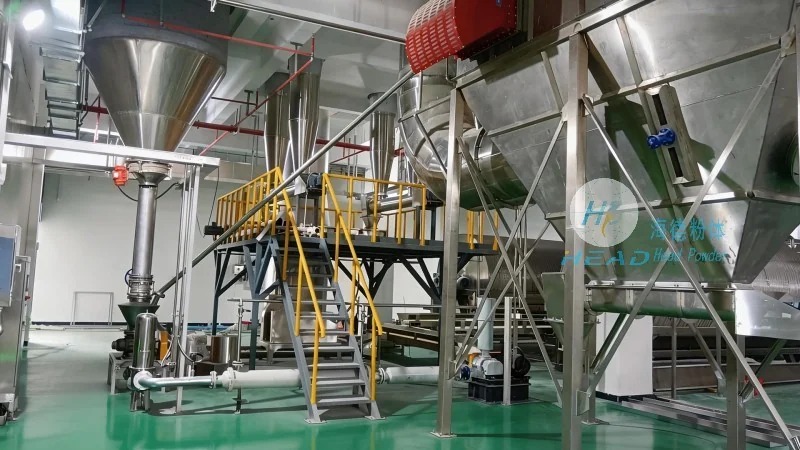
1. Pneumatic Conveying Systems
Pneumatic conveying, also known as air-assisted transport, uses compressed air to move sodium sulfate particles through a pipeline. This method is particularly suitable for handling dry, free-flowing powders like sodium sulfate. The primary types include dilute-phase and dense-phase systems. Dilute-phase systems are ideal for short distances and low to medium particle loads, while dense-phase systems are better for longer distances and higher particle concentrations. Advantages of pneumatic conveying include low maintenance requirements, the ability to transport materials over vertical and horizontal distances, and the option to integrate with existing air systems. However, it may not be suitable for very fine or cohesive powders, as they can cause blockages. Shandong HeadPowder Engineering Co., Ltd. specializes in designing custom pneumatic conveying systems tailored to specific process requirements, ensuring optimal performance and reliability.
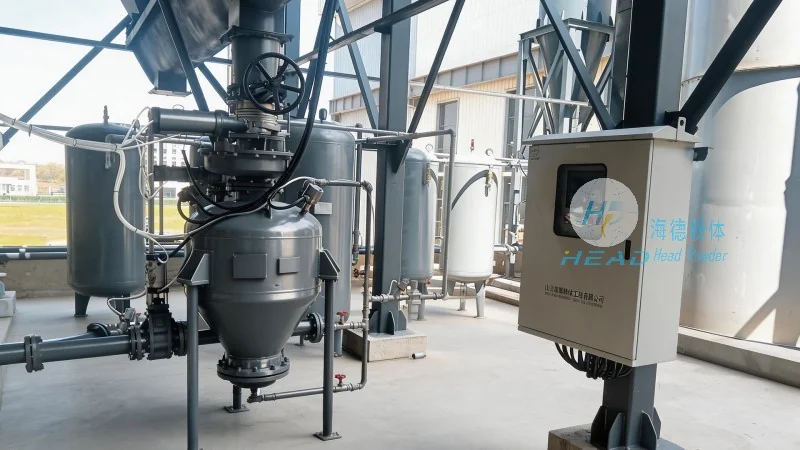
2. Hydraulic Conveying Systems
Hydraulic conveying, or slurry transport, involves mixing sodium sulfate with water to form a slurry, which is then pumped through pipelines. This method is effective for handling wet or sticky materials and can transport materials over long distances with relatively low energy consumption. The main advantage is its ability to handle high volumes and abrasive materials, reducing wear on equipment. However, it requires additional equipment for slurry preparation and separation, increasing operational complexity and cost. The system also needs regular maintenance to prevent clogging and corrosion. HeadPowder provides hydraulic conveying solutions that incorporate advanced pumping technologies and material handling expertise to ensure efficient and safe slurry transport.
3. Mechanical Conveying Systems
Mechanical conveying systems, such as screw conveyors, belt conveyors, and bucket elevators, rely on mechanical force to move sodium sulfate. Screw conveyors are commonly used for horizontal or slight incline transport, while bucket elevators are ideal for vertical transport. These systems are generally simple to operate and maintain, with low initial costs. However, they may not be suitable for very fine powders or materials that are prone to bridging or caking. Mechanical conveyors can also cause particle degradation due to friction and impact. Shandong HeadPowder Engineering Co., Ltd. offers customized mechanical conveying solutions, including robust screw and belt systems, designed to handle the specific characteristics of sodium sulfate and ensure consistent material flow.
4. Comparison of Conveying Methods
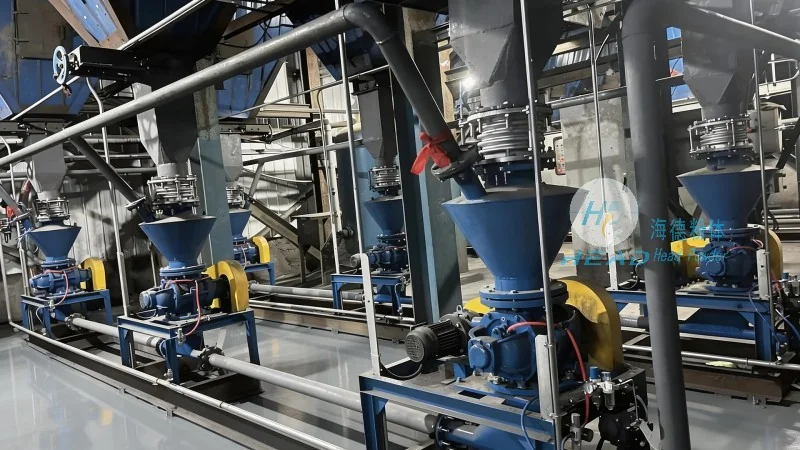
When selecting a conveying method for sodium sulfate, several factors must be considered, including the material's properties (particle size, moisture content, flowability), the distance to be covered, and the required throughput. Pneumatic conveying is often preferred for short to medium distances and for handling dry powders, while hydraulic conveying is better for long-distance transport of wet or abrasive materials. Mechanical conveyors are suitable for horizontal or vertical transport of bulk materials with moderate flow rates. The choice also depends on the existing infrastructure and operational budget. Shandong HeadPowder Engineering Co., Ltd. conducts thorough assessments of client needs to recommend the most appropriate conveying system, ensuring optimal performance, cost-effectiveness, and safety.
Conclusion and Expertise of HeadPowder
In conclusion, the selection of an appropriate sodium sulfate conveying method is crucial for maintaining operational efficiency and safety in industrial processes. Each method has its unique advantages and limitations, and the right choice depends on specific application requirements. Shandong HeadPowder Engineering Co., Ltd., with its extensive experience in industrial conveying solutions, provides customized systems that address the challenges of handling sodium sulfate. The company's expertise in pneumatic, hydraulic, and mechanical conveying technologies ensures that clients receive reliable, efficient, and cost-effective solutions tailored to their specific needs. HeadPowder's commitment to quality and innovation makes it a trusted partner for businesses seeking to optimize their sodium sulfate transport processes.

 Công ty TNHH Kỹ thuật Công trình Bột Hải Đức Sơn Đông
 156-6277-7102(Quản lý Trương)
  0531-83386006
  Quận Chương Khâu, Thành phố Tế Nam, Tỉnh Sơn Đông, Trung Quốc
Điện thoại
WeChatTư vấn
Lên đầu