Công ty Hải Đức Bột với hơn 10 năm kinh nghiệm vận chuyển khí, cung cấp hệ thống‑thiết bị‑quạt gió và nhận dự án tổng thầu bột cả nước
As the demand for lithium-ion batteries, particularly those based on the Nickel-Manganese-Cobalt (NMC) chemistry, continues to grow in the modern energy landscape, the efficiency and safety of material handling processes become critical factors for manufacturers. Shandong HeadPowder Engineering Co., Ltd., a leading provider in the field, specializes in developing and implementing advanced material handling solutions tailored to the unique requirements of battery production lines. This article provides a detailed comparison of common lithium-ion battery handling methods, focusing on their applications, advantages, and limitations.
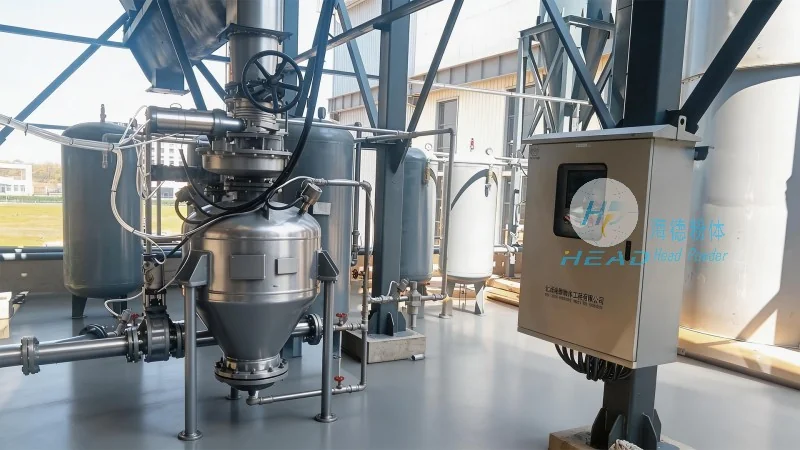
Introduction to Lithium-Ion Battery Handling
Lithium-ion batteries, especially NMC-based cells, are integral components in electric vehicles, energy storage systems, and portable electronics. The handling of these batteries during manufacturing, assembly, and quality control requires careful consideration of factors such as weight, size, fragility, and the need for consistent positioning. Traditional methods have evolved into more sophisticated systems to meet the demands of high-volume production, ensuring both productivity and safety.
Company Overview: Shandong HeadPowder Engineering Co., Ltd.
HeadPowder, a division of Shandong HeadPowder Engineering Co., Ltd., is dedicated to providing innovative material handling solutions for the battery industry. With a strong presence in China, particularly in Shandong, the company leverages years of expertise to design, manufacture, and integrate systems that enhance the efficiency and reliability of battery production lines. Their solutions are tailored to meet the specific needs of clients, ensuring compliance with industry standards and optimizing operational performance.
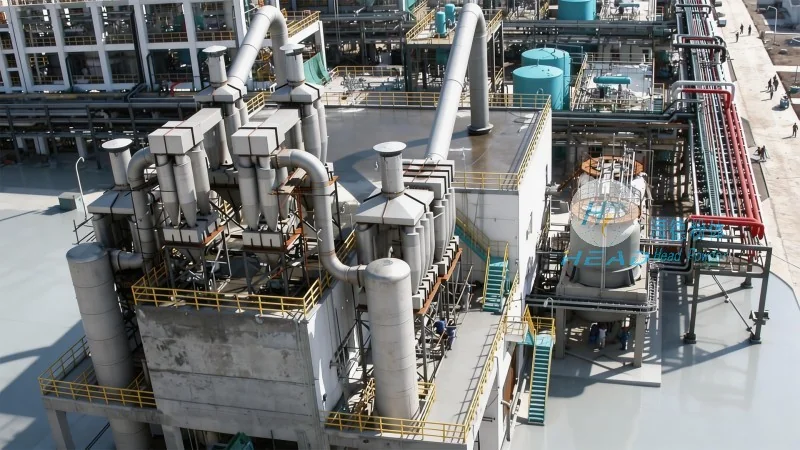
1. Manual Handling Methods
Manual handling remains a foundational approach in battery manufacturing, especially for smaller-scale operations or during the initial stages of production. This method involves human operators using tools like pallets, carts, or specialized lifting equipment to transport battery cells or modules. While cost-effective for low-volume production, manual handling presents several challenges. The primary drawback is the risk of human error, which can lead to misalignment, damage to cells, or inconsistent quality. Additionally, manual handling is labor-intensive and may not meet the throughput requirements of high-volume manufacturing. However, it offers flexibility and is suitable for applications where automation is not yet feasible or economically justified.
2. Mechanical Handling Systems
Mechanical handling systems represent a significant advancement from manual methods, incorporating machinery to assist in material transport. These systems typically include conveyor belts, roller conveyors, and mechanical carts designed to move battery components with precision and efficiency. The use of mechanical systems reduces the physical strain on operators and minimizes the risk of human error. For example, conveyor belts can transport battery cells in a controlled manner, ensuring consistent spacing and alignment. Mechanical carts, equipped with lifting mechanisms, allow for the safe handling of heavier battery modules. While mechanical systems improve throughput and reduce labor costs compared to manual handling, they still require human intervention for loading and unloading, and may not achieve the level of automation seen in more advanced systems.
3. Automated Guided Vehicle (AGV) Systems
Automated Guided Vehicle (AGV) systems represent a higher level of automation in battery handling, utilizing autonomous vehicles to transport materials between different stages of the production line. AGVs are equipped with sensors and navigation systems that allow them to move battery cells or modules along predefined paths without human intervention. This technology significantly enhances operational efficiency by reducing downtime and increasing throughput. AGVs can operate 24/7, providing continuous material flow and minimizing the need for manual labor. However, AGV systems require significant investment in infrastructure, including charging stations and navigation hardware, and may face challenges in complex or dynamic environments. The initial setup and maintenance costs are higher compared to mechanical systems, but the long-term benefits in terms of productivity and scalability make them a popular choice for large-scale battery manufacturers.
4. Robotic Handling Systems
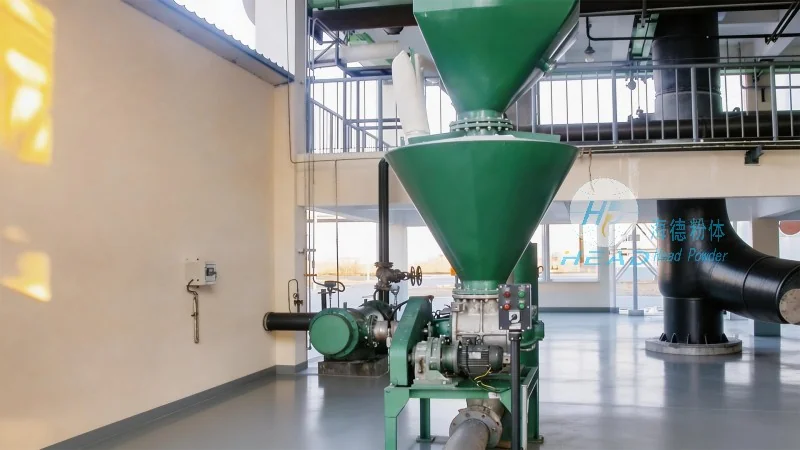
Robotic handling systems represent the pinnacle of automation in battery material handling, utilizing industrial robots to perform tasks such as picking, placing, and sorting battery cells or modules. These systems are typically integrated with vision systems to ensure precise positioning and alignment, which is critical for battery assembly and quality control. Robotic systems offer high precision, speed, and consistency, reducing the risk of damage or misalignment. They can handle a wide range of battery sizes and configurations, making them versatile for various production lines. However, robotic systems require sophisticated programming and calibration, and the initial investment is substantial. Maintenance and repair of robotic components can also be complex and costly. Despite these challenges, robotic handling systems are increasingly adopted by manufacturers seeking to achieve high levels of automation and maintain a competitive edge in the market.
5. Integrated Material Handling Solutions
Many modern battery production lines employ integrated material handling solutions that combine multiple technologies to optimize workflow. For example, a system might use AGVs to transport battery cells from the cell formation stage to the assembly line, while robotic arms handle the precise placement of cells into modules. This integrated approach leverages the strengths of each technology, improving overall efficiency and reducing bottlenecks. Integrated systems also enhance flexibility, allowing manufacturers to adapt to changing production demands or product specifications. However, the complexity of integrated solutions increases the need for comprehensive planning and maintenance. The coordination between different components requires advanced control systems and skilled personnel to ensure smooth operation.
Conclusion and Recommendations
The choice of lithium-ion battery handling method depends on several factors, including production volume, budget, and specific application requirements. Manual handling is suitable for low-volume or specialized production, while mechanical systems offer a balance between cost and efficiency. AGV systems are ideal for high-volume, continuous production lines, and robotic systems provide the highest level of automation and precision. Integrated solutions are recommended for large-scale manufacturers seeking to maximize productivity and adaptability. Shandong HeadPowder Engineering Co., Ltd. offers tailored material handling solutions that can be customized to meet the unique needs of clients, ensuring optimal performance and compliance with industry standards. By selecting the appropriate handling method, manufacturers can enhance operational efficiency, reduce costs, and improve the quality and safety of their lithium-ion battery production processes.

 Công ty TNHH Kỹ thuật Công trình Bột Hải Đức Sơn Đông
 156-6277-7102(Quản lý Trương)
  0531-83386006
  Quận Chương Khâu, Thành phố Tế Nam, Tỉnh Sơn Đông, Trung Quốc
Điện thoại
WeChatTư vấn
Lên đầu