Công ty Hải Đức Bột với hơn 10 năm kinh nghiệm vận chuyển khí, cung cấp hệ thống‑thiết bị‑quạt gió và nhận dự án tổng thầu bột cả nước
When it comes to the transportation of ferrous oxide, selecting the right method is crucial for ensuring efficiency, safety, and cost-effectiveness in industrial applications. Ferrous oxide, also known as iron(II) oxide, is widely used in various industries such as steel production, chemical manufacturing, and environmental remediation. The choice of transport method depends on factors like the material's properties, the distance to be covered, and the required throughput. In this article, we will explore the common methods used for transporting ferrous oxide and compare their advantages and limitations.
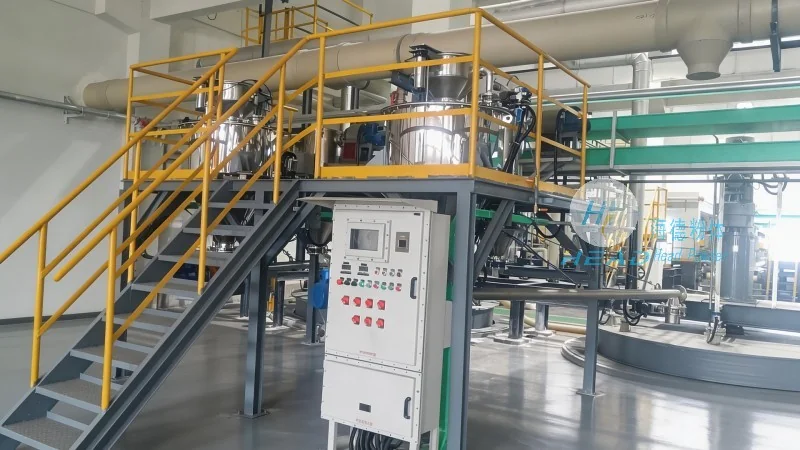
Pipeline Transport: A Traditional and Reliable Option
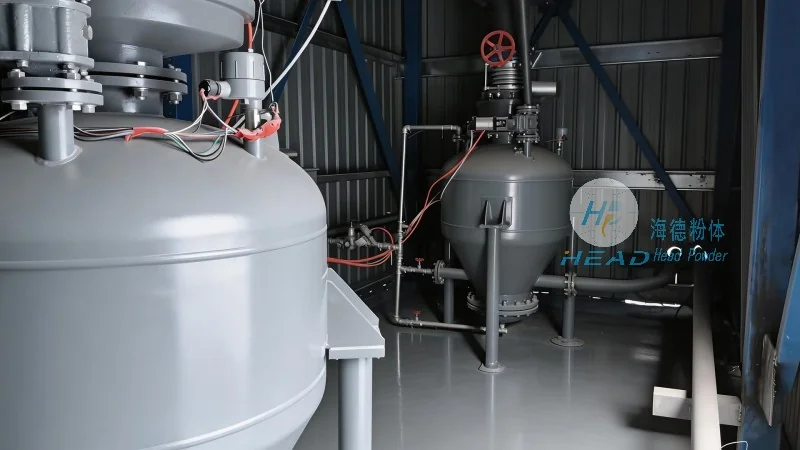
Pipeline transport is one of the most traditional and widely used methods for moving ferrous oxide. This method involves pumping the material through a network of pipes, typically using centrifugal pumps or positive displacement pumps. The pipeline system can be designed to handle both dry and slurry forms of ferrous oxide. For dry ferrous oxide, the material is often conveyed as a powder through a closed pipeline system, which helps prevent dust emissions and contamination. In the case of slurry transport, ferrous oxide is mixed with water or other liquids to create a slurry that can be pumped through pipelines. The advantages of pipeline transport include high throughput, low labor costs, and minimal environmental impact compared to other methods. However, it requires significant upfront investment for pipeline construction and maintenance. The system also needs regular cleaning to prevent clogging, especially when handling fine powders. Companies like Shandong HeadPowder Engineering Co., Ltd., based in China, often utilize pipeline transport for large-scale industrial applications where continuous and reliable supply is essential.
Pump-Supported Transport: Enhancing Efficiency and Control
Pump-supported transport is another common method that complements pipeline systems. This approach involves using specialized pumps to move ferrous oxide through the pipeline network. Centrifugal pumps are frequently used for slurry transport due to their ability to handle high volumes and varying viscosities. Positive displacement pumps, such as gear pumps or piston pumps, are ideal for transporting dry ferrous oxide powders, as they provide consistent pressure and flow rates. The pump system allows for precise control over the flow rate and pressure, which is critical for maintaining the integrity of the material and preventing blockages. For example, in steel mills, pump-supported transport is used to move ferrous oxide from storage silos to the production line. The use of pumps also enables the transport of materials over longer distances without the need for intermediate storage, improving overall operational efficiency. Shandong HeadPowder Engineering Co., Ltd. may employ pump-supported systems to ensure smooth and uninterrupted supply of ferrous oxide to their clients.
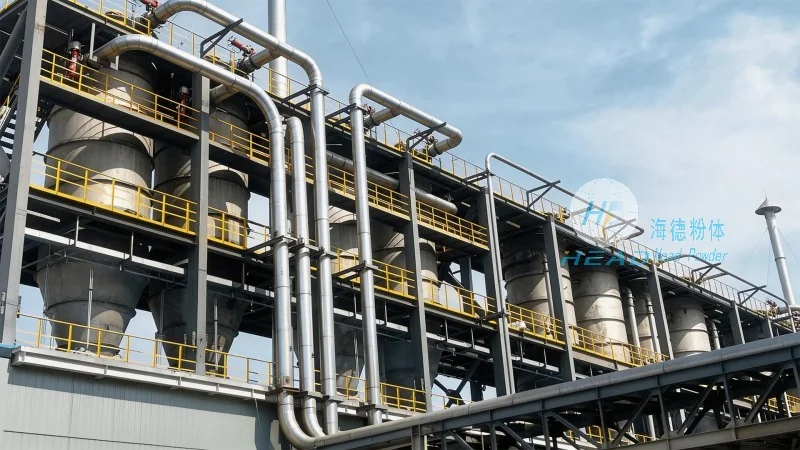
Air-Driven (Pneumatic) Transport: Suitable for Fine Powders
Air-driven or pneumatic transport is a method that uses compressed air to move ferrous oxide particles through a pipeline. This technique is particularly suitable for transporting fine powders, as it can handle materials with low bulk density and high fineness. The process involves creating a slurry or dry powder that is then mixed with air in a venturi or blower system. The air carries the ferrous oxide particles through the pipeline to the destination. Pneumatic transport offers advantages such as flexibility in routing and the ability to transport materials over relatively short distances. However, it requires careful control of air pressure and flow to prevent material degradation or clogging. The system also needs regular maintenance to ensure the air compressor and pipeline are clean and free from dust accumulation. For applications where dust control is a priority, pneumatic transport can be an effective solution. Shandong HeadPowder Engineering Co., Ltd. may use this method for transporting ferrous oxide to locations where traditional pipelines are not feasible or cost-prohibitive.
Truck and Rail Transport: Bulk and Overlong-Distance Options
For bulk and overlong-distance transportation of ferrous oxide, truck and rail transport are common alternatives to pipeline systems. Trucks are used to transport ferrous oxide in bulk containers or hopper trucks, which can carry large quantities of the material. This method is suitable for shorter distances and when the material needs to be delivered to specific locations that are not connected by pipelines. Rail transport, on the other hand, is used for longer distances and higher volumes. Ferrous oxide is loaded into railcars, which are then transported to the destination. Both truck and rail transport offer flexibility in terms of route and destination, making them ideal for industries that require irregular or seasonal supply of ferrous oxide. However, these methods are generally less efficient than pipeline transport in terms of cost per unit and time. They also require more labor for loading, unloading, and handling, which can increase operational costs. Shandong HeadPowder Engineering Co., Ltd. may use truck and rail transport for delivering ferrous oxide to clients located in areas not served by the company's pipeline network.
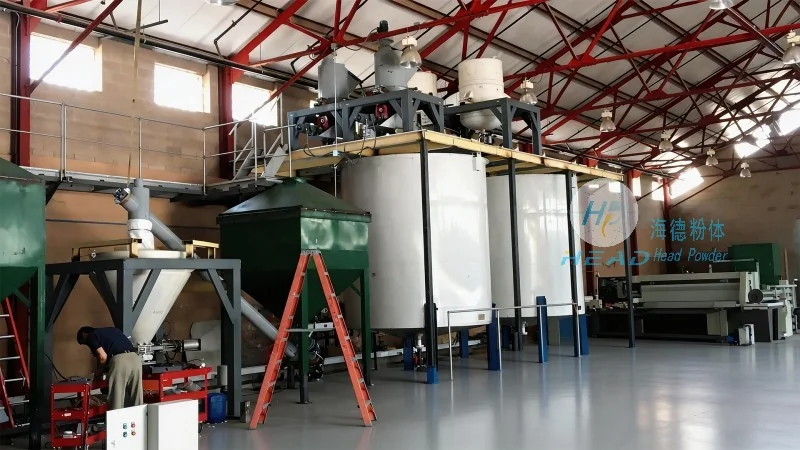
Comparative Analysis: Choosing the Right Transport Method
When deciding on the most suitable transport method for ferrous oxide, several factors need to be considered. The first is the distance and volume of material to be transported. For short distances and high volumes, pipeline transport with pump support is often the most efficient. For longer distances or irregular supply needs, truck and rail transport may be more appropriate. The second factor is the material's form—dry powder or slurry. Dry ferrous oxide is better suited for pneumatic or pump-supported transport, while slurry can be handled by pipeline or pump systems. The third factor is cost. Pipeline systems have high initial costs but low operational costs, whereas truck and rail transport have lower initial costs but higher operational expenses. Environmental considerations also play a role, as pipeline and pneumatic transport are generally more environmentally friendly than truck and rail transport due to reduced emissions and dust. Ultimately, the choice of transport method should align with the specific requirements of the industrial application and the operational constraints of the company. Shandong HeadPowder Engineering Co., Ltd. understands these factors and provides tailored transport solutions to meet the diverse needs of their clients, ensuring optimal performance and cost-effectiveness in the transportation of ferrous oxide.

 Công ty TNHH Kỹ thuật Công trình Bột Hải Đức Sơn Đông
 156-6277-7102(Quản lý Trương)
  0531-83386006
  Quận Chương Khâu, Thành phố Tế Nam, Tỉnh Sơn Đông, Trung Quốc
Điện thoại
WeChatTư vấn
Lên đầu