Công ty Hải Đức Bột với hơn 10 năm kinh nghiệm vận chuyển khí, cung cấp hệ thống‑thiết bị‑quạt gió và nhận dự án tổng thầu bột cả nước
When handling alumina hydroxide powder, selecting the right conveying method is crucial for ensuring efficiency, safety, and product integrity. As a leading provider in the field, Shandong HeadPowder Engineering Co., Ltd. offers insights into the common methods used for alumina hydroxide powder transport, helping businesses optimize their material handling processes.
Common Conveying Methods for Alumina Hydroxide Powder
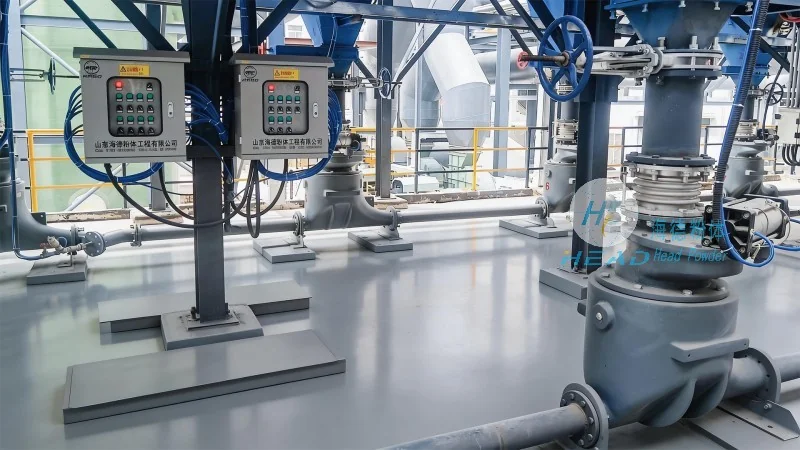
Screw Conveyors
Screw conveyors are a widely used method for transporting alumina hydroxide powder due to their simplicity and effectiveness. These systems consist of a rotating screw (or auger) enclosed in a trough, which moves the powder along the length of the conveyor. The design allows for horizontal, vertical, or inclined transport, making them versatile for various industrial applications. For alumina hydroxide powder, which can be abrasive and have a tendency to clump, screw conveyors are often equipped with special materials like stainless steel or wear-resistant coatings to prevent damage and ensure smooth operation. The compact design of screw conveyors also makes them suitable for space-constrained environments, though they may have limitations in handling very fine or highly cohesive powders without additional aids like vibrators or air-assisted mechanisms.
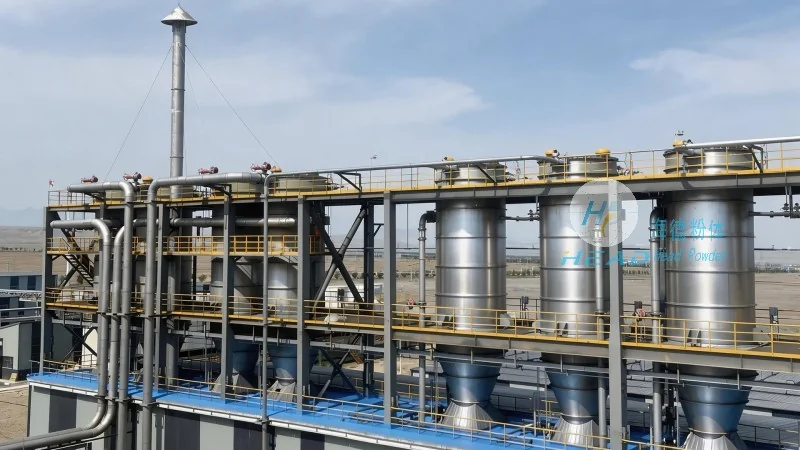
Air-Pneumatic Conveying
Air-pneumatic conveying systems use air pressure or vacuum to transport alumina hydroxide powder through a pipeline. This method is particularly effective for long-distance or high-volume transport, as it can move material over considerable distances without the need for multiple transfer points. There are two main types of air-pneumatic conveyors: positive pressure systems, which push the powder forward using compressed air, and negative pressure (or vacuum) systems, which pull the powder into the pipeline. For alumina hydroxide powder, positive pressure systems are often preferred as they can handle more abrasive materials and are less prone to clogging. The pipeline design, including the use of smooth, non-stick surfaces and appropriate bends, is critical to prevent powder buildup and ensure consistent flow. Additionally, air-pneumatic systems can be integrated with dust collection and filtration equipment, which is essential for maintaining air quality and complying with environmental regulations when handling alumina hydroxide powder.
Pump-Assisted Conveying
Pump-assisted methods, such as slurry pumps or hydraulic conveyors, are used when alumina hydroxide powder needs to be transported in a slurry form. This approach involves mixing the powder with a liquid (often water or a specific carrier fluid) to create a pumpable slurry. The slurry is then pumped through pipes using centrifugal or positive displacement pumps. This method is advantageous for long-distance horizontal transport and can handle high concentrations of powder, making it suitable for applications where the powder is already in a wet state or needs to be transported with minimal dry handling. However, the use of water or other liquids introduces considerations related to moisture content, which can affect the final product quality. Proper drying or processing steps are typically required after the slurry is delivered to prevent moisture-related issues in downstream applications. Pump-assisted conveyors are also effective for handling abrasive powders, as the liquid acts as a lubricant and reduces wear on the pump components.
Belt Conveyors
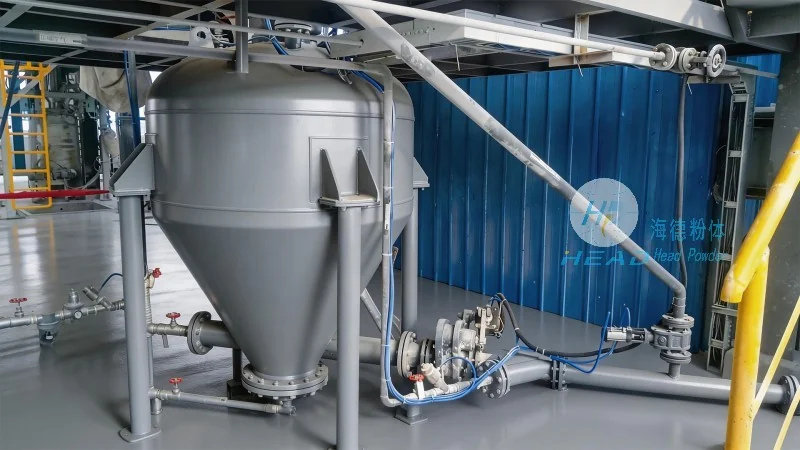
Belt conveyors are another common option for alumina hydroxide powder transport, especially for bulk material handling in industrial settings. These systems use a continuous belt that moves over rollers or a flat surface to transport the powder. The design allows for both horizontal and inclined transport, and the belt can be made from various materials, including rubber or synthetic fabrics, to withstand the abrasive nature of alumina hydroxide powder. Belt conveyors are particularly effective for high-volume, continuous operation and can be integrated with other equipment like feeders or classifiers to control the flow rate and particle size distribution. However, they may require more maintenance than other systems due to the moving parts and the need to prevent belt slippage or material buildup on the belt surface. Proper cleaning and lubrication are essential to ensure the longevity and efficiency of belt conveyors when handling alumina hydroxide powder.
Choosing the Right Conveying Solution with HeadPowder
Shandong HeadPowder Engineering Co., Ltd. understands the unique challenges associated with alumina hydroxide powder handling and offers tailored conveying solutions to meet specific operational needs. By evaluating factors such as material properties, transport distance, and environmental requirements, our experts can recommend the most suitable method—whether it’s a screw conveyor, air-pneumatic system, pump-assisted slurry transport, or belt conveyor. Our commitment to quality and efficiency ensures that businesses can optimize their material handling processes while maintaining product integrity and compliance with industry standards. With our headquarters in Shandong, China, HeadPowder provides reliable and cost-effective solutions for alumina hydroxide powder transport, helping companies across various industries achieve their production goals.

 Công ty TNHH Kỹ thuật Công trình Bột Hải Đức Sơn Đông
 156-6277-7102(Quản lý Trương)
  0531-83386006
  Quận Chương Khâu, Thành phố Tế Nam, Tỉnh Sơn Đông, Trung Quốc
Điện thoại
WeChatTư vấn
Lên đầu