Công ty Hải Đức Bột với hơn 10 năm kinh nghiệm vận chuyển khí, cung cấp hệ thống‑thiết bị‑quạt gió và nhận dự án tổng thầu bột cả nước
When it comes to handling polyacrylamide (PAM), a widely used flocculant in water treatment and industrial processes, selecting the right delivery method is crucial for efficiency and safety. The choice of delivery method can significantly impact the performance of the treatment process, as well as the operational costs and safety of the facility. This article provides a detailed comparison of common polyacrylamide delivery methods, focusing on their applications, advantages, and considerations. The information is presented by Shandong HeadPowder Engineering Co., Ltd., a leading provider of polyacrylamide products and solutions based in China.
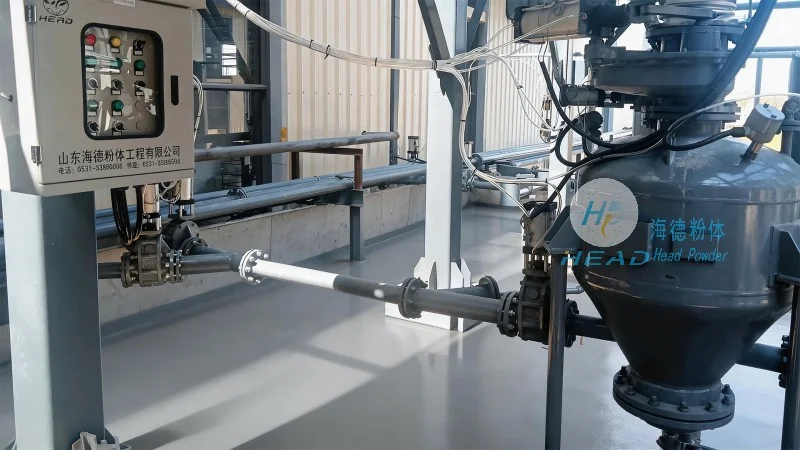
Overview of Polyacrylamide and Its Importance
Polyacrylamide is a synthetic polymer used as a flocculant to enhance the settling of suspended solids in water. It is available in various forms, including dry powder, emulsions, and aqueous solutions. The selection of a delivery method depends on the form of PAM being used, the application requirements, and the infrastructure of the treatment plant. Proper delivery ensures that the PAM is mixed effectively with the water or slurry, maximizing its flocculation efficiency.
Common Polyacrylamide Delivery Methods
Pump Delivery via Positive Displacement Pumps
Positive displacement pumps are commonly used for delivering polyacrylamide solutions. These pumps, such as diaphragm or plunger pumps, are ideal for handling viscous liquids and ensuring consistent flow rates. The primary advantage of using positive displacement pumps is their ability to maintain a steady flow, which is critical for maintaining the proper dosage of PAM in the treatment process. The pump is typically connected to a storage tank where the PAM solution is prepared. The solution is then pumped through a dosing system to the point of application. This method is widely used in industrial water treatment plants due to its reliability and precision in dosing. The pumps are often equipped with flow meters and control valves to adjust the dosage according to the process requirements. The use of positive displacement pumps ensures that the PAM is delivered at a consistent rate, preventing over-dosage or under-dosage, which can affect the treatment efficiency.
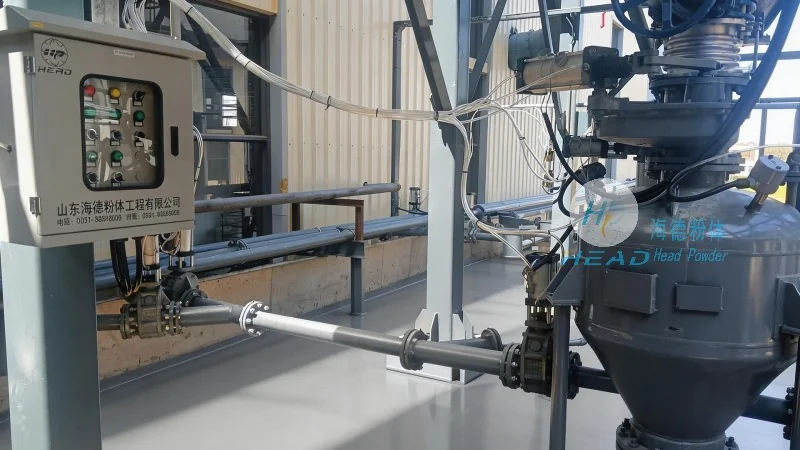
Gravity Flow from Storage Tanks
Gravity flow is another common method for delivering polyacrylamide solutions, particularly when the storage tank is located at a higher elevation than the point of application. This method relies on the natural force of gravity to move the PAM solution from the storage tank to the dosing point. The solution is stored in a tank equipped with a level indicator and a discharge valve. The tank is usually positioned on a raised platform or a building to create the necessary head pressure. The solution flows through a pipeline to the dosing system, where it is mixed with the water or slurry. The advantage of gravity flow is its simplicity and low operational cost, as it does not require any external power source. However, this method is limited by the height difference between the storage tank and the application point, and it may not be suitable for large-scale or high-demand applications. The flow rate can be adjusted by changing the diameter of the pipeline or the height of the storage tank. The use of gravity flow is common in smaller treatment plants or in applications where the PAM usage is relatively low.
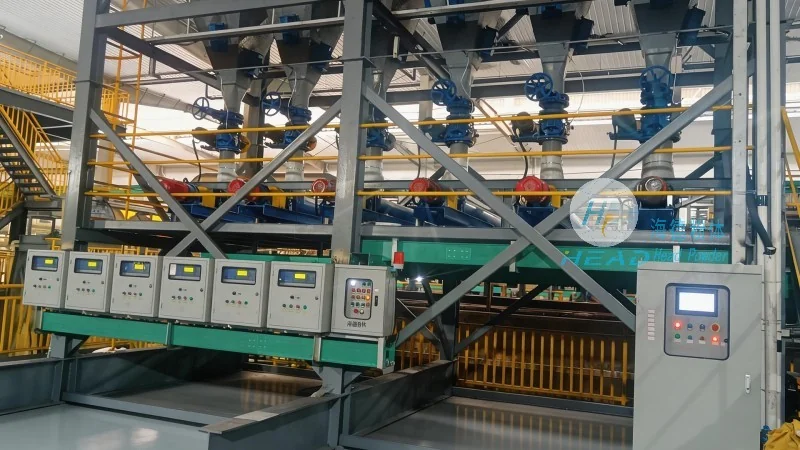
Pipeline and Hose Delivery
Pipeline and hose delivery is a versatile method for transporting polyacrylamide solutions, especially in applications where the solution needs to be delivered over long distances or to multiple points of application. The solution is stored in a tank and pumped through a pipeline or hose to the desired location. The pipeline can be made of various materials, such as PVC, polyethylene, or stainless steel, depending on the compatibility with the PAM solution and the operating conditions. The use of pipelines allows for the delivery of the PAM solution to different parts of the treatment plant, such as the clarifier or the filter. The delivery system typically includes a pump, a flow control valve, and a pressure gauge to monitor the flow rate and pressure. The pipeline is usually equipped with valves and fittings to control the flow and to isolate sections for maintenance. This method is suitable for both dry powder and solution forms of PAM, as the powder can be dissolved in the tank and then pumped through the pipeline. The advantage of pipeline delivery is its flexibility and ability to reach remote locations, making it ideal for large-scale industrial applications. The system can be designed to deliver the PAM solution to multiple dosing points, ensuring uniform distribution throughout the treatment process.
Manual or Portable Dosing Systems
For smaller-scale applications or in situations where a permanent delivery system is not feasible, manual or portable dosing systems are used. These systems typically consist of a container holding the PAM solution, a pump, and a dosing nozzle. The solution is pumped from the container to the point of application using a portable pump, such as a diaphragm pump or a peristaltic pump. The dosing rate is controlled by adjusting the pump speed or the valve setting. The advantage of manual dosing systems is their simplicity and low cost, making them suitable for small treatment plants or for temporary applications. However, they require regular monitoring and maintenance to ensure consistent dosing. The portable nature of these systems allows for easy relocation to different parts of the plant or to different treatment units. The use of manual dosing systems is common in laboratory settings or in small-scale water treatment facilities where the PAM usage is low. The systems are typically equipped with a flow meter to monitor the amount of PAM being delivered, ensuring accurate dosing. The manual dosing method is less precise than the automated systems but can be effective for applications where the PAM dosage is relatively low and the process is not critical.
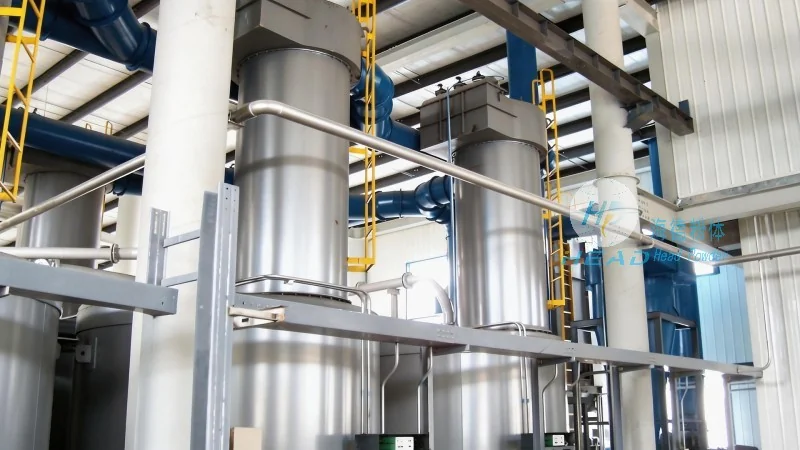
Factors to Consider When Choosing a Delivery Method
When selecting a polyacrylamide delivery method, several factors need to be considered to ensure the optimal performance of the treatment process. The first factor is the form of the PAM being used. Dry powder PAM requires a dissolution step before delivery, which can be done using a mixing tank and a pump. The solution PAM can be delivered directly using pumps or gravity flow. The second factor is the application requirements, such as the required dosage, flow rate, and the distance to the point of application. The third factor is the infrastructure of the treatment plant, including the available space, the height of the storage tank, and the type of equipment available. The fourth factor is the cost of the delivery system, including the initial investment and the operational costs. The fifth factor is the safety considerations, such as the potential for spills or leaks, and the need for proper handling and storage of the PAM solution. Shandong HeadPowder Engineering Co., Ltd. recommends that the delivery method should be chosen based on a thorough analysis of these factors to ensure the best results for the specific application.
Conclusion
In conclusion, the choice of polyacrylamide delivery method is a critical decision that can impact the efficiency and effectiveness of water treatment processes. The common methods include pump delivery via positive displacement pumps, gravity flow from storage tanks, pipeline and hose delivery, and manual or portable dosing systems. Each method has its advantages and limitations, and the selection should be based on the specific requirements of the application. Proper delivery ensures that the PAM is mixed effectively with the water or slurry, maximizing its flocculation efficiency. Shandong HeadPowder Engineering Co., Ltd. provides high-quality polyacrylamide products and solutions, and we recommend consulting with our experts to determine the most suitable delivery method for your specific needs. Our team can help you select the right equipment and system to ensure optimal performance and cost-effectiveness in your water treatment operations.

 Công ty TNHH Kỹ thuật Công trình Bột Hải Đức Sơn Đông
 156-6277-7102(Quản lý Trương)
  0531-83386006
  Quận Chương Khâu, Thành phố Tế Nam, Tỉnh Sơn Đông, Trung Quốc
Điện thoại
WeChatTư vấn
Lên đầu