Công ty Hải Đức Bột với hơn 10 năm kinh nghiệm vận chuyển khí, cung cấp hệ thống‑thiết bị‑quạt gió và nhận dự án tổng thầu bột cả nước
When it comes to handling acrylic ester rubber, selecting the right conveying method is crucial for ensuring efficiency, material integrity, and operational safety. Acrylic ester rubber, known for its excellent resistance to chemicals, temperature variations, and mechanical stress, is widely used in various industrial applications. However, the choice of conveying system can significantly impact the overall performance of the process. This article provides a detailed comparison of common acrylic ester rubber conveying methods, highlighting their advantages, limitations, and ideal applications.
Introduction to Acrylic Ester Rubber and Conveying Challenges
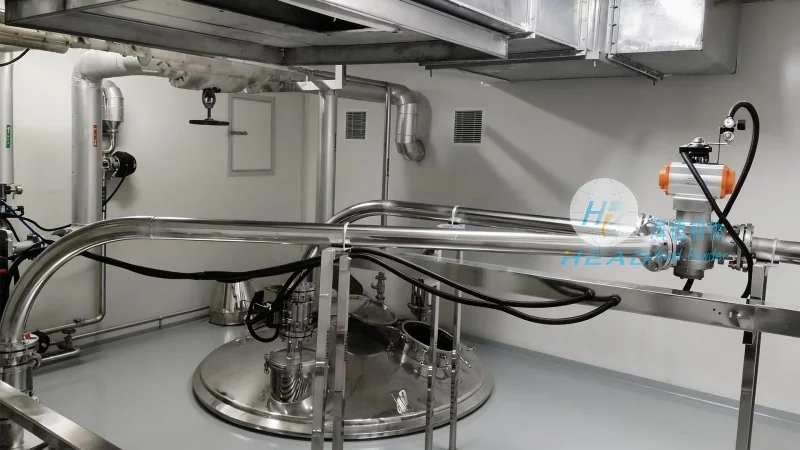
Acrylic ester rubber, a synthetic elastomer, is prized for its unique combination of properties, including high flexibility, good abrasion resistance, and superior chemical resistance. These characteristics make it suitable for applications such as seals, gaskets, and protective coatings. However, due to its softness and susceptibility to damage from sharp edges or excessive friction, proper handling during the conveying process is essential. The primary challenges in acrylic ester rubber conveying include minimizing material degradation, preventing contamination, and maintaining consistent flow rates. Different conveying methods address these challenges in distinct ways, making it important to evaluate each option based on specific operational requirements.
1. Belt Conveying System for Acrylic Ester Rubber
Belt conveying is one of the most widely used methods for transporting acrylic ester rubber, particularly in bulk material handling. This system typically consists of a continuous loop of a flexible belt, supported by rollers or idlers, that moves the material from the loading point to the discharge point. The belt can be made of various materials, such as rubber or synthetic fabrics, depending on the material being conveyed. For acrylic ester rubber, a smooth, non-stick belt surface is often preferred to prevent material adherence and reduce friction. The key advantages of belt conveying include its ability to handle large volumes of material, low maintenance requirements, and the option for incline or decline operations. However, belt systems may not be suitable for highly abrasive or sticky materials, as they can cause wear and tear on the belt or the conveyor structure. Additionally, the risk of material spillage or belt slip must be managed carefully to maintain product quality.
2. Pneumatic Conveying for Acrylic Ester Rubber
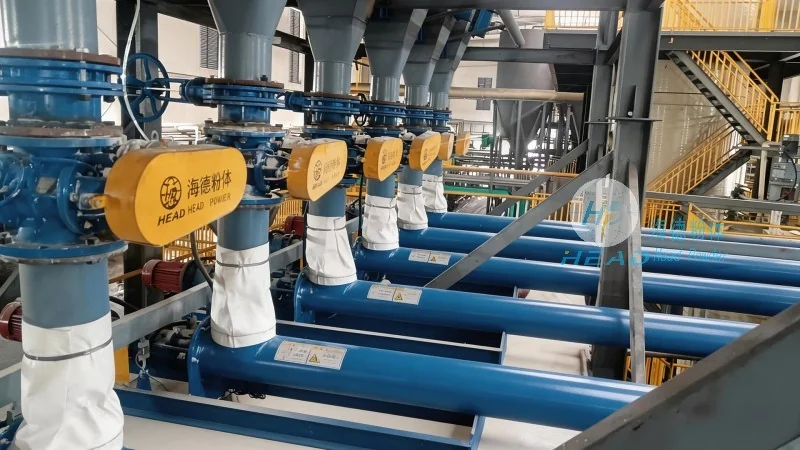
Pneumatic conveying, also known as air conveying, uses compressed air to transport acrylic ester rubber particles or granules through a pipeline system. This method is particularly effective for handling fine powders or small particles, as it can transport materials over long distances without the need for mechanical components at the discharge point. The system typically includes a hopper for material storage, a feeder to control the flow rate, and a series of pipes with air jets to propel the material. The choice of conveying velocity and pressure is critical to prevent material degradation or blockages. Pneumatic conveying offers several benefits, including the ability to handle sensitive materials without mechanical contact, reduced risk of contamination, and the flexibility to route the system through complex layouts. However, it requires a significant amount of energy to operate, and the system may be prone to air leaks or pressure fluctuations that affect performance. Additionally, the cost of installation and maintenance can be higher compared to other conveying methods.
3. Screw Conveying for Acrylic Ester Rubber
Screw conveying, also known as auger conveying, uses a rotating screw or helical blade to move acrylic ester rubber through a cylindrical tube. This method is commonly used for handling bulk materials that are free-flowing or semi-free-flowing. The screw can be designed with different pitch and flight patterns to control the material flow rate and prevent clogging. For acrylic ester rubber, a smooth, non-stick screw surface is essential to minimize friction and prevent material degradation. Screw conveyors are known for their simplicity, low maintenance, and ability to operate in vertical or horizontal configurations. They are particularly suitable for applications where the material needs to be elevated or moved over short to medium distances. However, screw conveyors may not be effective for highly abrasive or sticky materials, as they can cause wear on the screw and the tube. Additionally, the risk of material bridging or blockage is higher with screw conveyors, especially when handling materials with high moisture content or fine particles.
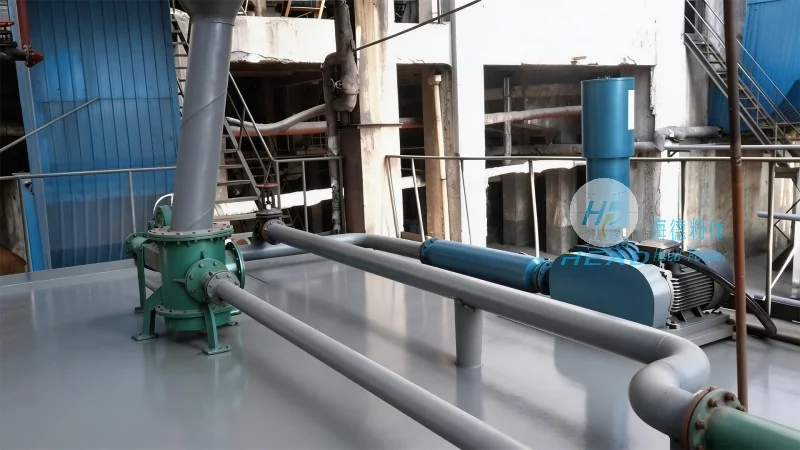
4. Bucket Elevator for Acrylic Ester Rubber
Bucket elevators are vertical conveying systems that use a series of buckets attached to a chain or belt to transport acrylic ester rubber vertically. This method is ideal for applications where the material needs to be lifted to a significant height, such as in storage silos or processing plants. The buckets are designed to scoop material from a hopper at the bottom and discharge it at the top, with the chain or belt continuously moving the buckets. The key advantage of bucket elevators is their high capacity and ability to handle large volumes of material over long vertical distances. They are also relatively simple to install and maintain, with minimal moving parts exposed to the material. However, bucket elevators are not suitable for highly abrasive or sticky materials, as they can cause wear on the buckets and the chain. Additionally, the risk of material spillage or bucket damage must be managed carefully to prevent product loss or safety hazards.
5. Comparison of Conveying Methods: Key Factors to Consider
When selecting a conveying method for acrylic ester rubber, several factors must be considered to ensure optimal performance. The first factor is the material properties of the acrylic ester rubber, including its size, shape, and moisture content. For example, fine powders may be better suited for pneumatic conveying, while larger chunks may require belt or screw conveyors. The second factor is the operational requirements, such as the distance to be covered, the required flow rate, and the need for vertical or horizontal movement. The third factor is the cost considerations, including the initial investment, energy consumption, and maintenance costs. The fourth factor is the safety and environmental aspects, such as the risk of material spillage, contamination, or exposure to dust. By evaluating these factors, manufacturers can choose the most appropriate conveying method that balances efficiency, cost, and product quality.
Conclusion: Choosing the Right Conveying Method for Acrylic Ester Rubber
In conclusion, the choice of conveying method for acrylic ester rubber depends on a variety of factors, including the material properties, operational requirements, and cost considerations. Belt conveying is suitable for large volumes and horizontal/angled operations, while pneumatic conveying is ideal for fine powders and long-distance transport. Screw conveyors are effective for bulk materials and short to medium distances, and bucket elevators are perfect for vertical lifting. Each method has its advantages and limitations, and the best choice will depend on the specific application and operational constraints. By carefully evaluating these factors and considering the recommendations provided in this article, manufacturers can select the most efficient and reliable conveying system for their acrylic ester rubber handling needs. Shandong HeadPowder Engineering Co., Ltd., a leading provider of rubber processing solutions, offers expertise and support in selecting and implementing the most suitable conveying systems for various industrial applications.

 Công ty TNHH Kỹ thuật Công trình Bột Hải Đức Sơn Đông
 156-6277-7102(Quản lý Trương)
  0531-83386006
  Quận Chương Khâu, Thành phố Tế Nam, Tỉnh Sơn Đông, Trung Quốc
Điện thoại
WeChatTư vấn
Lên đầu