Công ty Hải Đức Bột với hơn 10 năm kinh nghiệm vận chuyển khí, cung cấp hệ thống‑thiết bị‑quạt gió và nhận dự án tổng thầu bột cả nước
When it comes to the transportation of sand, selecting the right conveying method is crucial for efficiency, cost-effectiveness, and operational safety. Different industries, such as construction, mining, and manufacturing, have specific requirements that influence the choice of sand conveying systems. This article provides a detailed comparison of common sand conveying methods, highlighting their advantages and disadvantages to help businesses make informed decisions.
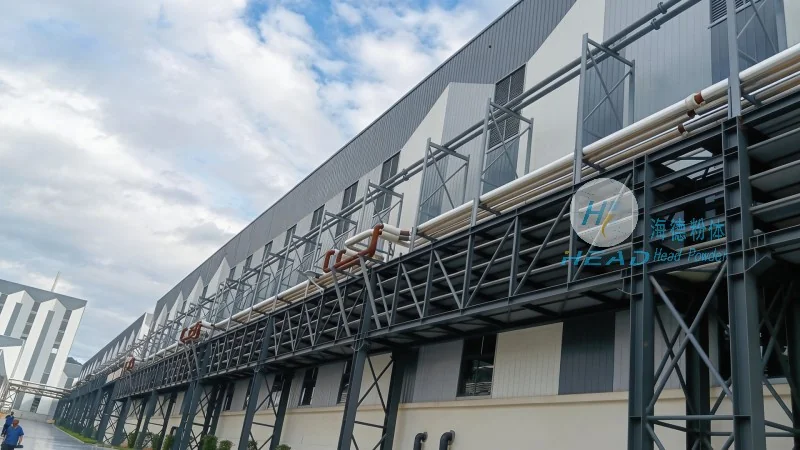
Overview of Sand Conveying Methods
Sand conveying involves the movement of sand from one location to another, often over short or long distances. The primary methods used in industrial settings include belt conveyors, pneumatic (air) conveyors, and hydraulic systems. Each method has its own set of characteristics that make it suitable for different applications.
Belt Conveyors: A Traditional and Versatile Option
Belt conveyors are one of the most widely used sand conveying systems, particularly in bulk material handling. They consist of a continuous belt that moves over rollers or pulleys, transporting sand from the loading point to the discharge point. The advantages of belt conveyors include high capacity, long-distance transport capabilities, and low maintenance costs. They are also suitable for transporting a wide range of materials, including sand, gravel, and other bulk solids.
However, belt conveyors have some limitations. They require a relatively flat surface for operation and may be affected by changes in the material's moisture content. Additionally, they can be noisy and may cause dust issues if not properly sealed. The initial investment for a belt conveyor system can also be higher compared to other methods, especially for small-scale operations.
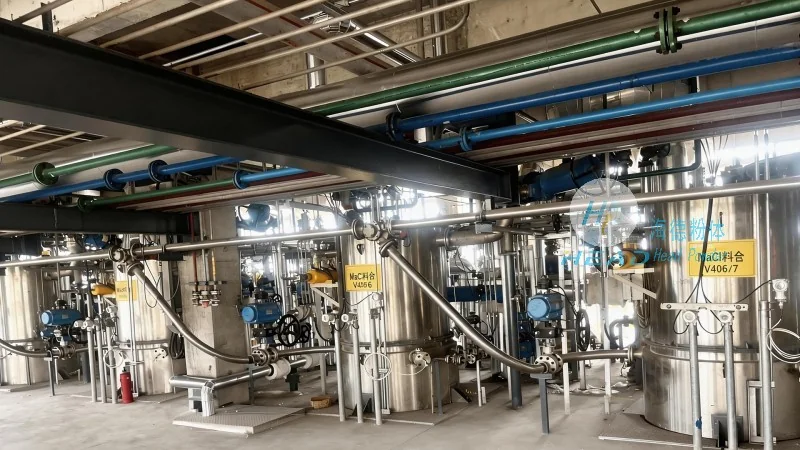
Pneumatic Conveyors: Efficient for Fine and Dry Sand
Pneumatic conveyors use air pressure to transport sand through a pipeline. This method is ideal for fine and dry sand, as it can handle materials with high moisture content or those that are prone to caking. The advantages of pneumatic conveyors include the ability to transport sand vertically and horizontally, minimal material degradation, and the option to integrate with other processing equipment. They are also relatively easy to install and can be adapted to existing infrastructure.
Nevertheless, pneumatic conveyors have drawbacks. They require a significant amount of energy to operate, as the air pressure needs to be maintained throughout the system. The system can also be prone to blockages if the sand is too wet or contains large particles. Additionally, the cost of air compressors and the need for regular maintenance of the pipeline can increase operational expenses.
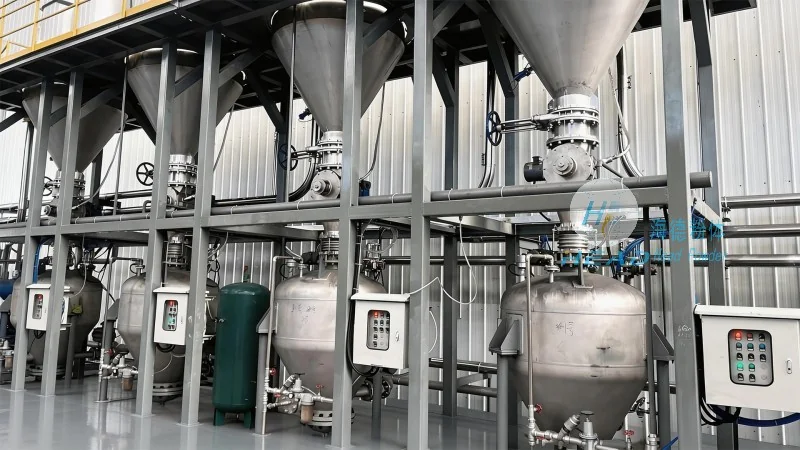
Hydraulic Conveyors: High-Pressure Solutions for Dense Sand
Hydraulic conveyors use high-pressure water or oil to transport sand through a pipeline. This method is particularly effective for dense and abrasive sand, as the high pressure can handle materials that are difficult to move with other systems. The advantages of hydraulic conveyors include high efficiency, the ability to transport sand over long distances, and minimal wear on the pipeline. They are also suitable for applications where the sand needs to be mixed with other materials or treated before discharge.
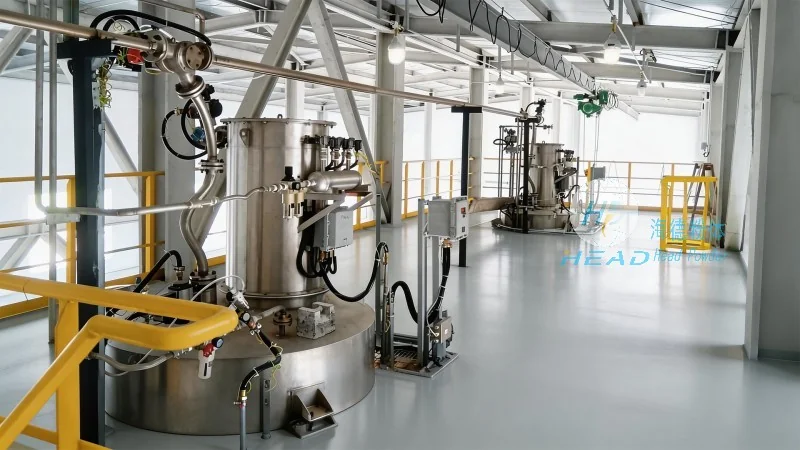
However, hydraulic conveyors have significant disadvantages. They require specialized equipment and expertise to operate, as the system involves high-pressure components. The cost of hydraulic pumps and the need for regular maintenance can be high. Additionally, the system can be noisy and may require additional safety measures to prevent leaks or accidents.
Choosing the Right Sand Conveying Method
The choice of sand conveying method depends on several factors, including the type of sand, the distance to be covered, the required capacity, and the operational environment. For example, belt conveyors are ideal for large-scale, long-distance transport of dry sand, while pneumatic conveyors are better suited for fine sand or materials that need to be transported vertically. Hydraulic conveyors are preferred for dense and abrasive sand that requires high-pressure transport.
It is also important to consider the initial investment, operational costs, and maintenance requirements when selecting a sand conveying system. Businesses should evaluate their specific needs and consult with experts, such as Shandong HeadPowder Engineering Co., Ltd., to determine the most suitable method for their operations.

 Công ty TNHH Kỹ thuật Công trình Bột Hải Đức Sơn Đông
 156-6277-7102(Quản lý Trương)
  0531-83386006
  Quận Chương Khâu, Thành phố Tế Nam, Tỉnh Sơn Đông, Trung Quốc
Điện thoại
WeChatTư vấn
Lên đầu