Công ty Hải Đức Bột với hơn 10 năm kinh nghiệm vận chuyển khí, cung cấp hệ thống‑thiết bị‑quạt gió và nhận dự án tổng thầu bột cả nước
When it comes to handling ceramic materials in industrial settings, selecting the right conveying method is crucial for efficiency, cost-effectiveness, and product integrity. Various options are available, each with its own set of advantages and disadvantages. This article provides a detailed comparison of common ceramic conveying methods used by Shandong HeadPowder Engineering Co., Ltd., a leading manufacturer based in China.
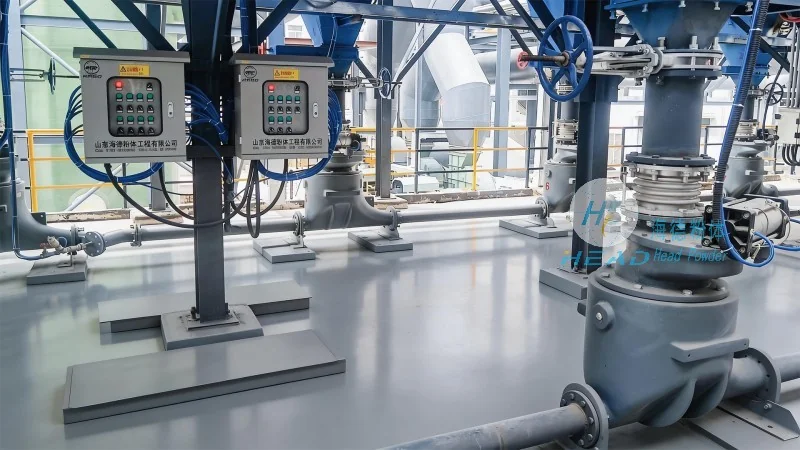
Introduction to Ceramic Conveying Methods
Ceramic materials, such as powders, granules, and slurry, require specialized handling due to their abrasive nature and potential for contamination. Conveying systems must be designed to minimize material degradation, ensure consistent flow, and maintain product quality. The choice of conveying method depends on factors like material properties, production scale, and operational environment. Shandong HeadPowder Engineering Co., Ltd. specializes in providing tailored solutions for ceramic processing, including advanced conveying technologies.
1. Screw Conveyors (Auger Conveyors)
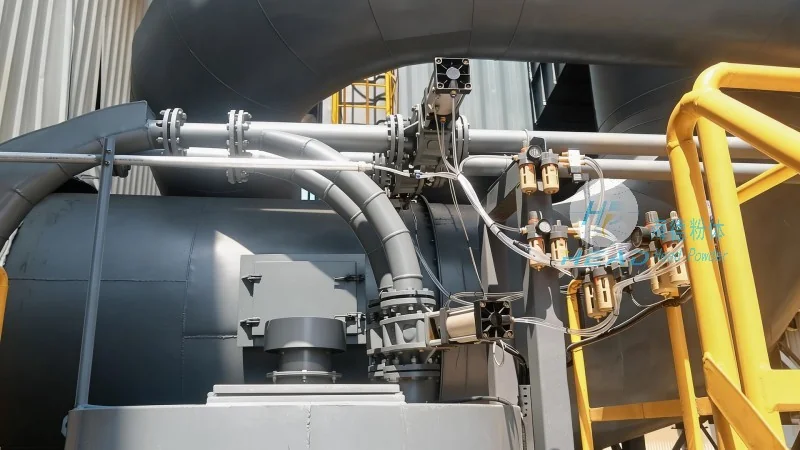
Screw conveyors are among the most widely used equipment for transporting bulk materials, including ceramics. These systems consist of a rotating helical screw inside a trough or tube, which moves material from one point to another through a continuous, enclosed path. The primary advantage of screw conveyors is their ability to handle a wide range of materials, including those with high moisture content or sticky properties. They are also relatively simple in design, requiring minimal maintenance and offering a compact footprint. However, screw conveyors have limitations when dealing with abrasive or very fine ceramic powders, as the screw and trough can wear quickly, leading to increased maintenance costs and potential material contamination. Additionally, they are not suitable for vertical lifting over long distances due to the high torque required.
2. Belt Conveyors
Belt conveyors utilize a continuous belt that moves material along a fixed path, typically supported by rollers or idlers. This method is ideal for transporting larger ceramic pieces or bulk materials over longer horizontal distances. The main advantage of belt conveyors is their high capacity and ability to handle heavy loads without significant wear. They are also relatively low in maintenance compared to other systems, as the belt can be replaced or repaired as needed. However, belt conveyors are less effective for fine powders, as they may cause segregation or loss of material through the belt. Furthermore, they require a level or slightly inclined surface, making them unsuitable for vertical or steep incline applications. The belt itself can also be susceptible to damage from abrasive ceramic particles, leading to increased operational costs.
3. Pneumatic Conveying Systems
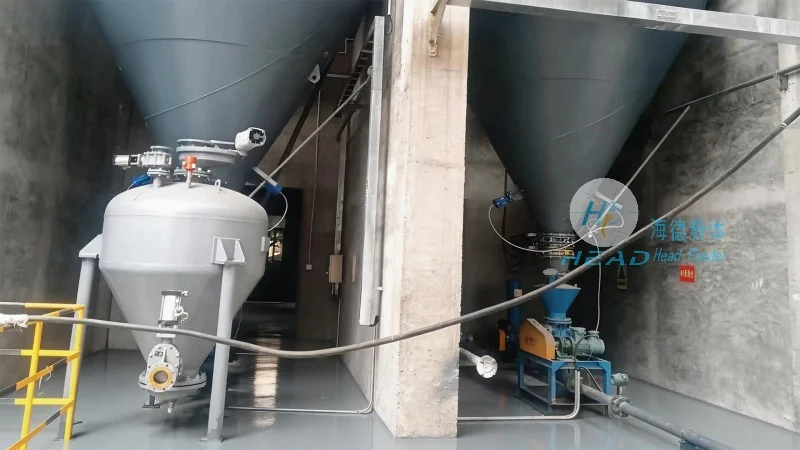
Pneumatic conveying systems use air or other gases to transport ceramic materials through a pipeline. These systems are particularly effective for fine powders and granules, as they can handle materials with high moisture content or sticky characteristics without clogging. The primary advantage of pneumatic conveying is its ability to transport materials over long distances, including vertical lifts, with minimal material degradation. It also offers a closed system, reducing dust emissions and environmental contamination. However, pneumatic systems require higher energy consumption compared to mechanical conveyors, as they rely on air pressure or vacuum to move material. Additionally, they may experience issues with material segregation and blockages if the system is not properly designed or maintained. The cost of installation and maintenance can also be higher due to the need for air compressors and filtration systems.
4. Bucket Elevators
Bucket elevators are vertical conveying systems that use a series of buckets attached to a chain or belt to lift materials from a lower to a higher level. This method is ideal for transporting bulk ceramic materials over vertical distances, such as from a storage silo to a processing unit. The main advantage of bucket elevators is their high vertical lifting capacity and ability to handle abrasive materials without significant wear. They are also relatively simple in operation and require minimal maintenance. However, bucket elevators have a limited horizontal reach and are not suitable for long horizontal distances. They can also be noisy and may cause material degradation due to the impact of buckets on the material. The system also requires regular inspection of the bucket chain or belt to prevent breakage and material spillage.
5. Vibrating Conveyors
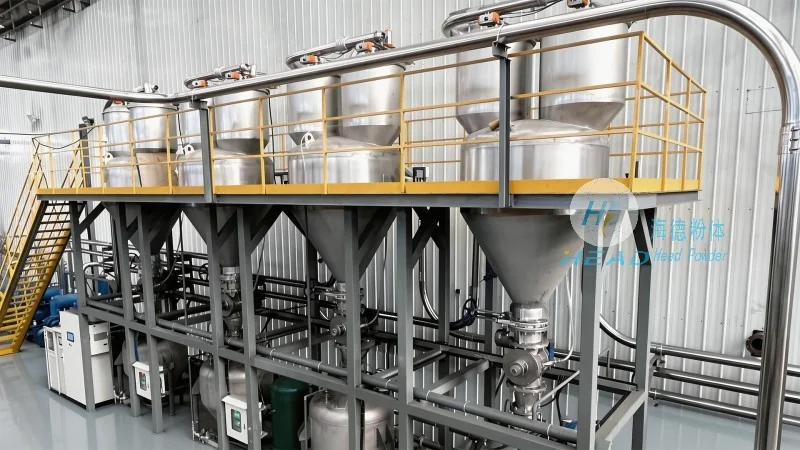
Vibrating conveyors use vibration to move materials along a trough. The system consists of a conveyor bed that is vibrated at a specific frequency and amplitude, causing the material to move forward. This method is effective for handling fine powders and granules, as well as materials with high moisture content. The primary advantage of vibrating conveyors is their ability to handle sticky or cohesive materials without clogging, as the vibration helps to break up agglomerates. They are also relatively low in maintenance and can be designed for both horizontal and inclined applications. However, vibrating conveyors have lower capacity compared to other systems and may cause material degradation due to the repetitive vibration. The system also requires proper alignment and maintenance to prevent excessive wear on the conveyor bed and supporting structure.
Conclusion: Choosing the Right Ceramic Conveying Method
When selecting a ceramic conveying method, it is essential to consider the specific characteristics of the material, the production requirements, and the operational environment. Shandong HeadPowder Engineering Co., Ltd. offers a range of customized conveying solutions tailored to meet the unique needs of each client. By understanding the advantages and disadvantages of each method, industrial operators can make informed decisions to optimize their ceramic processing operations. Whether it is a screw conveyor for horizontal transport or a pneumatic system for fine powders, the right choice can significantly improve efficiency, reduce costs, and ensure product quality. For more information on ceramic conveying solutions, contact Shandong HeadPowder Engineering Co., Ltd., a trusted partner in industrial material handling based in China.

 Công ty TNHH Kỹ thuật Công trình Bột Hải Đức Sơn Đông
 156-6277-7102(Quản lý Trương)
  0531-83386006
  Quận Chương Khâu, Thành phố Tế Nam, Tỉnh Sơn Đông, Trung Quốc
Điện thoại
WeChatTư vấn
Lên đầu