Công ty Hải Đức Bột với hơn 10 năm kinh nghiệm vận chuyển khí, cung cấp hệ thống‑thiết bị‑quạt gió và nhận dự án tổng thầu bột cả nước
Hot dry ash, a byproduct of thermal power generation, requires efficient and reliable conveying systems to ensure safe and effective handling. The choice of conveying method significantly impacts operational efficiency, cost, and environmental compliance. This article provides a detailed comparison of common hot dry ash conveying methods, highlighting their advantages and disadvantages to assist in selecting the most suitable solution for industrial applications.
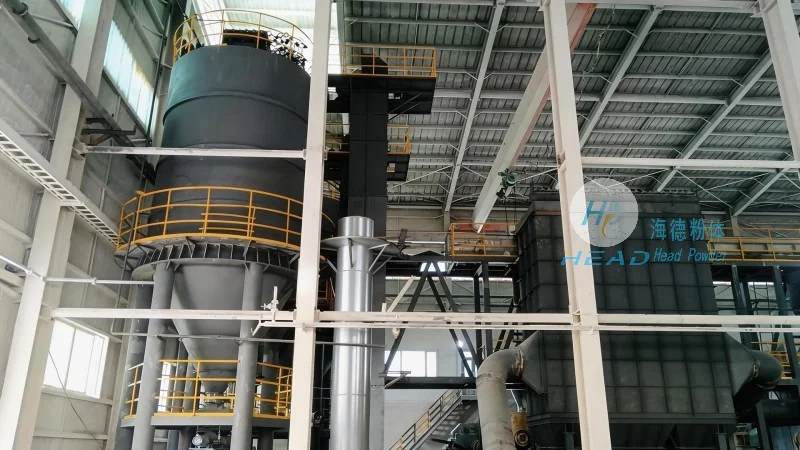
Introduction to Hot Dry Ash Conveying
Hot dry ash, generated from coal-fired power plants, poses unique challenges due to its high temperature and abrasive nature. Conveying this material requires systems that can handle high temperatures, prevent material degradation, and ensure minimal dust emissions. The primary goal of hot dry ash conveying is to transport ash from the boiler to storage or disposal facilities while maintaining operational safety and efficiency. Various technologies are employed, each with distinct characteristics that influence their suitability for different plant configurations and operational requirements.
Common Hot Dry Ash Conveying Methods
Several methods are widely used for hot dry ash transport, including pneumatic conveying, mechanical conveying, and hybrid systems. Each method has evolved to address specific challenges associated with hot dry ash, such as temperature resistance, material handling, and system complexity. The following sections provide an in-depth analysis of these methods, focusing on their operational principles, advantages, and disadvantages.
Pneumatic Conveying Systems
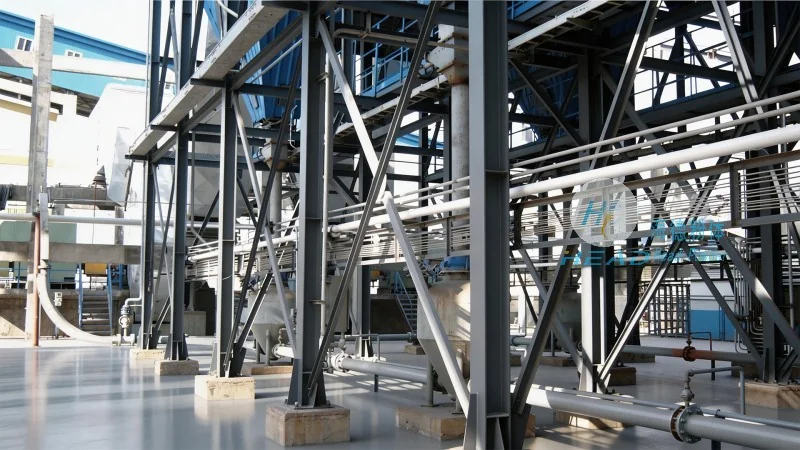
Pneumatic conveying uses air or gas to transport material through a pipeline. This method is particularly effective for hot dry ash due to its ability to handle high temperatures and abrasive particles. There are two main types of pneumatic conveying: positive displacement and negative pressure (or dilute phase) systems. Positive displacement systems, such as rotary lobe blowers, provide consistent air flow and pressure, making them suitable for high-temperature and high-density ash transport. These systems are capable of conveying ash at temperatures up to 600°C and can handle large volumes efficiently. However, they require regular maintenance of the air compressor and pipeline components due to the abrasive nature of the ash. The main advantages of pneumatic conveying include its ability to transport ash over long distances without the need for intermediate storage, reduced risk of material buildup in the system, and lower labor costs compared to mechanical systems. The disadvantages include higher energy consumption, potential for air leakage leading to dust emissions, and the need for specialized equipment to handle high temperatures.
Mechanical Conveying Systems
Mechanical conveying systems utilize mechanical components like belts, buckets, or screws to move ash through a system. These systems are commonly used for transporting hot dry ash in power plants due to their reliability and ability to handle large volumes. The most common types include bucket elevators, chain conveyors, and screw conveyors. Bucket elevators are particularly effective for vertical transport of hot ash, as they can handle temperatures up to 800°C and large particle sizes. These systems are robust and require minimal maintenance, making them a popular choice for many power plants. However, they have limitations in terms of horizontal transport and may experience material buildup if not properly designed. The main advantages of mechanical conveying include lower energy consumption compared to pneumatic systems, reduced risk of dust emissions, and the ability to handle a wide range of ash compositions. The disadvantages include higher initial costs, potential for material degradation due to friction and heat, and the need for regular maintenance of mechanical components. Mechanical systems also require more space and may be less flexible in terms of system layout compared to pneumatic systems.
Hybrid Conveying Systems
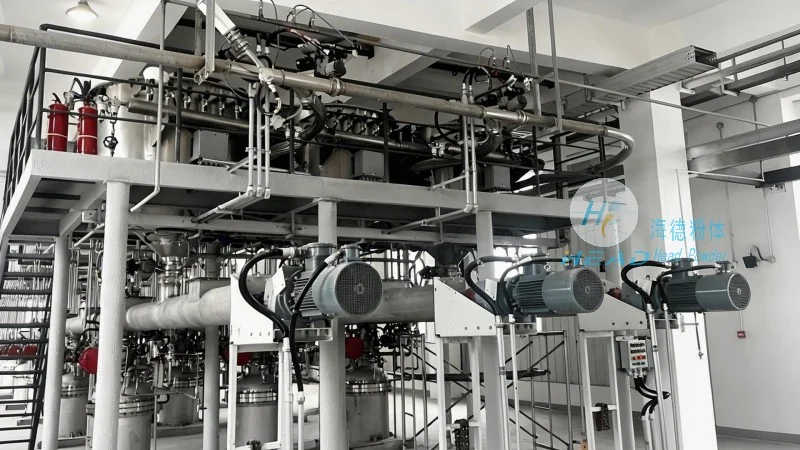
Hybrid systems combine elements of both pneumatic and mechanical conveying to leverage the strengths of each method. For example, a system may use a mechanical conveyor to transport ash from the boiler to a storage silo and then use a pneumatic system to transfer ash from the silo to the disposal site. This approach allows for efficient handling of hot ash while minimizing energy consumption and system complexity. Hybrid systems are particularly useful in plants where long-distance transport is required but where the initial cost of a full pneumatic system is prohibitive. The main advantages of hybrid systems include improved efficiency, reduced energy consumption, and enhanced flexibility in system design. The disadvantages include increased complexity, higher maintenance requirements, and potential for increased dust emissions if the pneumatic component is not properly sealed.
Key Factors in Selecting a Conveying Method
The choice of hot dry ash conveying method depends on several factors, including the plant's capacity, the distance to be covered, the ash temperature, and the available budget. Other considerations include the ash's physical properties, such as particle size, moisture content, and abrasiveness, as well as regulatory requirements for dust control and environmental compliance. For example, a plant with high ash temperatures and long transport distances may favor pneumatic systems, while a plant with limited space and lower temperatures may opt for mechanical systems. The selection process should also consider the long-term operational costs, including maintenance, energy consumption, and potential downtime. It is essential to evaluate the pros and cons of each method in the context of the specific plant's requirements to ensure the most cost-effective and reliable solution.
Conclusion
Efficient hot dry ash conveying is critical for the safe and sustainable operation of thermal power plants. The choice of conveying method significantly impacts operational efficiency, cost, and environmental performance. Pneumatic systems offer high flexibility and long-distance transport capabilities but require higher energy input and maintenance. Mechanical systems provide lower energy consumption and reduced dust emissions but have limitations in terms of temperature handling and system layout. Hybrid systems combine the advantages of both methods, offering improved efficiency and flexibility but at a higher complexity and cost. Ultimately, the most suitable conveying method depends on the specific plant's requirements and operational constraints. By carefully evaluating the advantages and disadvantages of each method, power plant operators can select a conveying system that maximizes efficiency, minimizes costs, and ensures compliance with environmental regulations. Shandong HeadPowder Engineering Co., Ltd. specializes in providing customized hot dry ash conveying solutions tailored to the unique needs of power plants, ensuring reliable and efficient handling of hot dry ash.

 Công ty TNHH Kỹ thuật Công trình Bột Hải Đức Sơn Đông
 156-6277-7102(Quản lý Trương)
  0531-83386006
  Quận Chương Khâu, Thành phố Tế Nam, Tỉnh Sơn Đông, Trung Quốc
Điện thoại
WeChatTư vấn
Lên đầu