Công ty Hải Đức Bột với hơn 10 năm kinh nghiệm vận chuyển khí, cung cấp hệ thống‑thiết bị‑quạt gió và nhận dự án tổng thầu bột cả nước
Chocolate conveying is a critical process in the manufacturing of chocolate products, ensuring efficient and consistent movement of chocolate from production stages to packaging. The choice of conveying method significantly impacts production efficiency, product quality, and operational costs. This article provides a comparative analysis of common chocolate conveying methods, highlighting their advantages and disadvantages, to assist manufacturers in selecting the most suitable option for their operations.
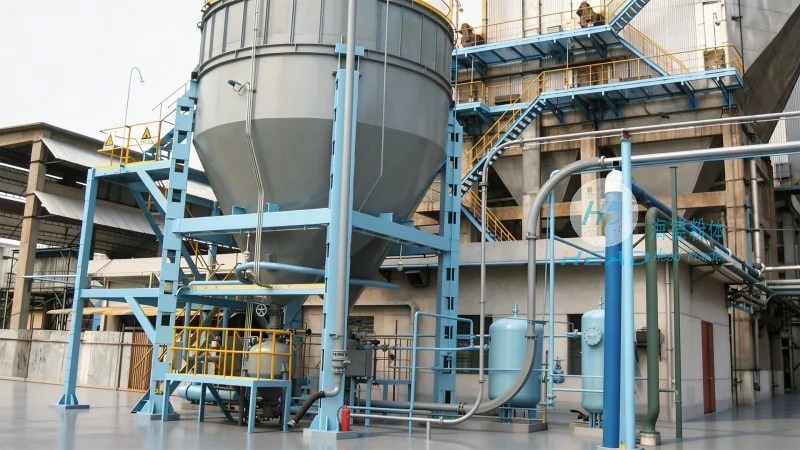
Introduction to Chocolate Conveying Methods
Effective chocolate conveying systems are essential for maintaining the quality and consistency of chocolate products. Different methods are employed based on factors such as production scale, chocolate type, and the need for temperature control. The primary methods include gravity-based systems, pump-driven systems, and pneumatic systems. Each method has unique characteristics that influence its suitability for various applications.
Company Profile: Shandong HeadPowder Engineering Co., Ltd.
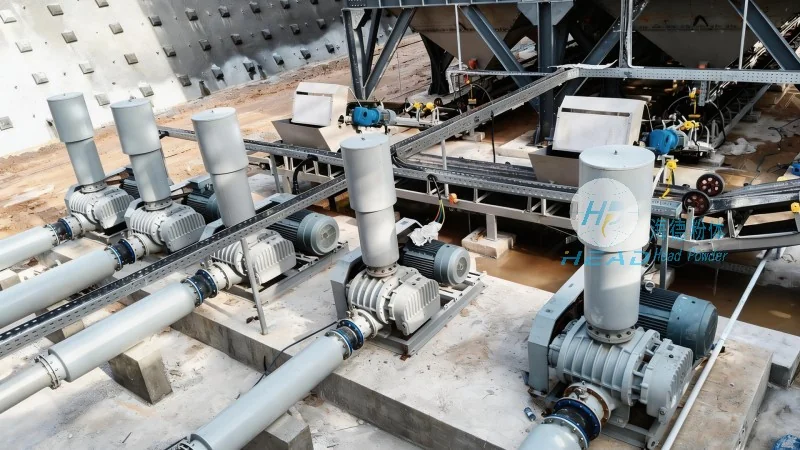
Shandong HeadPowder Engineering Co., Ltd., a leading provider of specialized engineering solutions, specializes in designing and manufacturing advanced chocolate conveying equipment. With a focus on precision, reliability, and efficiency, HeadPowder offers tailored solutions to meet the diverse needs of the chocolate industry. The company’s headquarters is located in Shandong, China, and it serves clients globally with innovative and robust conveying systems.
Gravity Conveying Systems: Advantages and Disadvantages
Gravity conveying systems utilize the natural force of gravity to move chocolate through a series of inclined or horizontal chutes. This method is often used for short-distance transfers and is particularly effective for lighter chocolate products. The primary advantages of gravity systems include low energy consumption, minimal maintenance requirements, and the ability to handle chocolate without additional mechanical components. However, these systems are limited by the need for specific incline angles and may not be suitable for large volumes or heavy chocolate varieties. Additionally, they require careful design to prevent product degradation or separation.
Pump-Driven Conveying Systems: Advantages and Disadvantages
Pump-driven systems, such as positive displacement pumps or screw conveyors, use mechanical force to transport chocolate. These systems are highly versatile and can handle a wide range of chocolate types, including high-fat or high-viscosity varieties. The advantages of pump-driven systems include precise control over flow rates, the ability to maintain consistent temperature, and the capacity to handle large volumes efficiently. However, they require more energy input compared to gravity systems and may need regular maintenance to ensure optimal performance. Additionally, the mechanical components can introduce wear and tear, potentially affecting product quality if not properly maintained.
Pneumatic Conveying Systems: Advantages and Disadvantages
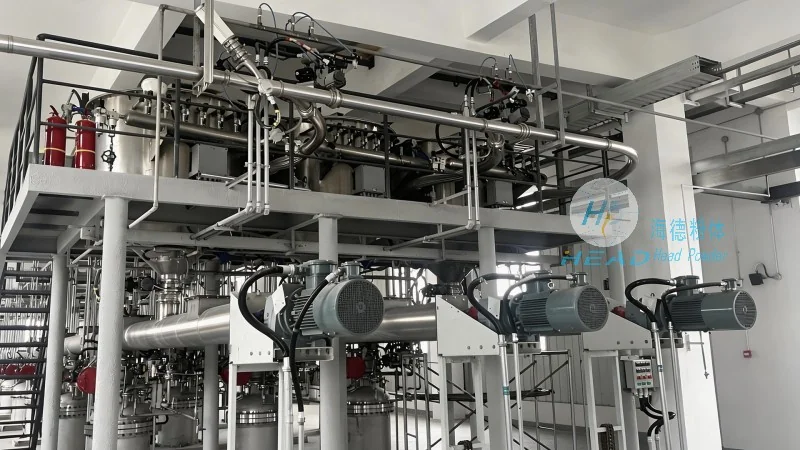
Pneumatic conveying systems use air pressure to move chocolate through a pipeline. This method is ideal for long-distance transfers and can handle both dry and liquid chocolate products. The advantages of pneumatic systems include high speed, the ability to transport chocolate in a closed system to prevent contamination, and flexibility in layout. However, these systems require significant energy for air compression and may be less efficient for heavy or viscous chocolate. Additionally, they can be more complex to install and maintain, and the risk of air leaks or pressure fluctuations must be managed carefully.
Choosing the Right Chocolate Conveying Method
When selecting a chocolate conveying method, manufacturers must consider several factors, including production volume, chocolate type, required temperature control, and available space. Gravity systems are cost-effective for small-scale operations, while pump-driven systems are preferred for high-volume or complex production lines. Pneumatic systems are suitable for applications requiring long-distance transport or closed-system handling. It is essential to evaluate the specific needs of the production process and consult with experts, such as those at Shandong HeadPowder Engineering Co., Ltd., to ensure the optimal choice is made.

 Công ty TNHH Kỹ thuật Công trình Bột Hải Đức Sơn Đông
 156-6277-7102(Quản lý Trương)
  0531-83386006
  Quận Chương Khâu, Thành phố Tế Nam, Tỉnh Sơn Đông, Trung Quốc
Điện thoại
WeChatTư vấn
Lên đầu