Công ty Hải Đức Bột với hơn 10 năm kinh nghiệm vận chuyển khí, cung cấp hệ thống‑thiết bị‑quạt gió và nhận dự án tổng thầu bột cả nước
When it comes to transporting kaolin, various methods are employed in industrial settings. Kaolin, a key raw material in many industries such as paper, ceramics, and cosmetics, requires efficient and reliable transportation to maintain its quality and usability. Traditional methods like belt conveyors, screw conveyors, and bucket elevators have been widely used, but modern advancements have introduced more sophisticated solutions, particularly pneumatic conveying systems. This article explores the different methods of kaolin transportation and focuses on the advantages and features of kaolin pneumatic conveying, presented by Shandong HeadPowder Engineering Co., Ltd., a leading provider in the field.
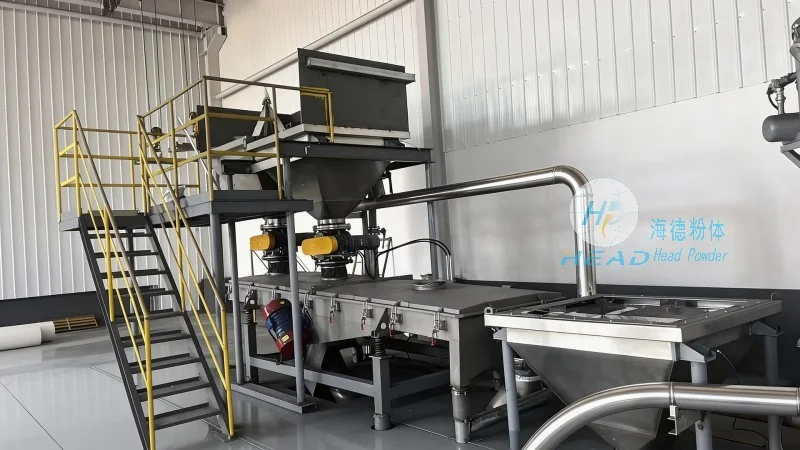
Common Kaolin Transportation Methods
Before delving into the specifics of pneumatic conveying, it's essential to understand the conventional methods used for kaolin transportation. These methods include mechanical conveyors like belt conveyors, which are effective for horizontal and slight incline transport but may cause material degradation due to friction and impact. Screw conveyors are another option, suitable for vertical or inclined transport, yet they are prone to blockages and require regular maintenance. Bucket elevators offer high vertical transport capabilities but have limitations in handling fine powders and can be noisy. Each of these methods has its own set of advantages and drawbacks, making them suitable for different applications and operational conditions.
What is Kaolin Pneumatic Conveying?
Kaolin pneumatic conveying, also known as air conveying, is a technology that uses compressed air to transport dry powders, including kaolin, through a pipeline system. This method eliminates the need for mechanical components like belts or screws, reducing the risk of material contamination and degradation. The process involves feeding the kaolin into a hopper, where it is then drawn into a pipeline by the force of the compressed air. The air and powder mixture travels through the pipeline to the destination point, where the powder is separated from the air using a cyclone or other separation equipment. This method is particularly effective for transporting fine powders over long distances and in complex layouts.
Advantages of Kaolin Pneumatic Conveying
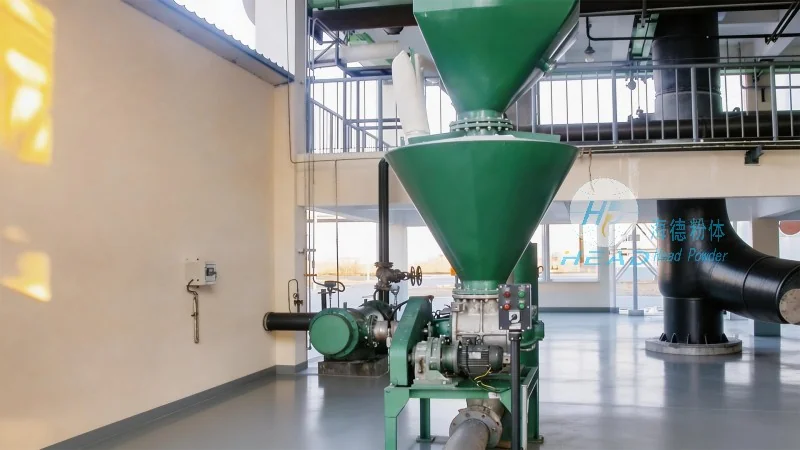
One of the primary advantages of kaolin pneumatic conveying is its ability to maintain the quality of the material. Unlike mechanical conveyors, which can cause friction and impact, pneumatic systems minimize particle breakage and prevent contamination from external sources. This is crucial for kaolin, which is sensitive to moisture and impurities that can affect its performance in downstream processes. Additionally, pneumatic conveying offers high efficiency in terms of speed and capacity. The compressed air can transport large volumes of kaolin quickly and reliably, reducing downtime and increasing overall productivity. Another key advantage is the flexibility of the system. Pneumatic pipelines can be easily reconfigured to accommodate changes in production processes or facility layouts, providing adaptability that traditional conveyors lack. Furthermore, the system is relatively low maintenance compared to mechanical alternatives, as there are fewer moving parts and less wear and tear on components.
Key Features of Kaolin Pneumatic Conveying Systems
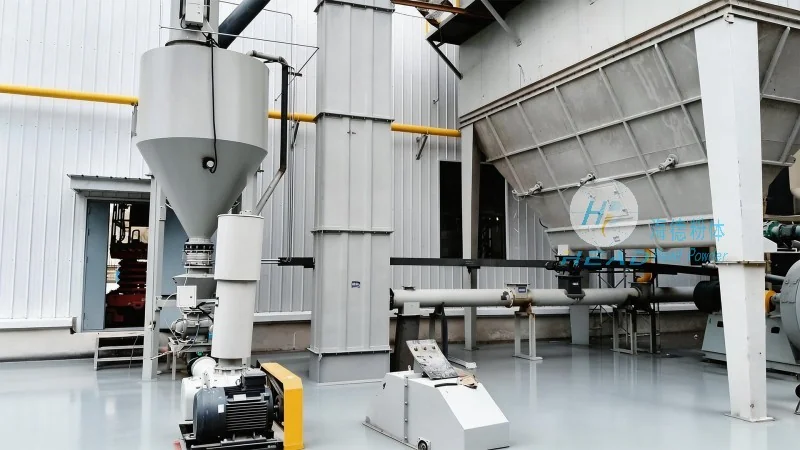
Shandong HeadPowder Engineering Co., Ltd. specializes in designing and manufacturing advanced kaolin pneumatic conveying systems that incorporate several key features to enhance performance and reliability. One of the critical features is the use of high-quality materials for the pipeline and components, ensuring durability and resistance to corrosion from kaolin particles. The systems are equipped with advanced control systems that monitor pressure, flow, and temperature in real-time, allowing for immediate adjustments to maintain optimal operation. This automation not only improves efficiency but also reduces the risk of system failures. Another important feature is the inclusion of dust collection and filtration systems, which help to maintain a clean and safe working environment by capturing airborne particles. The systems also incorporate safety features such as pressure relief valves and emergency shut-off mechanisms, ensuring compliance with industrial safety standards. These features collectively contribute to the effectiveness and reliability of the kaolin pneumatic conveying systems provided by HeadPowder.
Applications of Kaolin Pneumatic Conveying
Kaolin pneumatic conveying is widely used in various industries where kaolin is a critical component. In the paper industry, it is used to transport kaolin slurry to paper machines, where it is added to the pulp to improve brightness and opacity. In the ceramics industry, kaolin is used as a raw material for making clay products, and pneumatic conveying ensures that the material is delivered to the production line without any degradation. The cosmetics industry also relies on kaolin for its absorbent properties, and pneumatic systems are used to transport the powder to manufacturing facilities. Additionally, in the pharmaceutical and food industries, where kaolin is used as a filler or excipient, pneumatic conveying ensures that the material is handled hygienically and without contamination. The versatility of the system makes it suitable for a wide range of applications, from small-scale operations to large industrial plants.
Conclusion
In conclusion, kaolin transportation methods have evolved significantly over the years, with pneumatic conveying emerging as a preferred solution for many industrial applications. The advantages of kaolin pneumatic conveying, including material quality preservation, high efficiency, and flexibility, make it an ideal choice for transporting kaolin. Shandong HeadPowder Engineering Co., Ltd. offers advanced kaolin pneumatic conveying systems that incorporate the latest technology and features to meet the diverse needs of the industry. By choosing pneumatic conveying, companies can enhance their operational efficiency, reduce costs, and ensure the quality of their products. As the demand for kaolin continues to grow, the importance of efficient and reliable transportation methods will only increase, making kaolin pneumatic conveying an essential component of modern industrial processes.

 Công ty TNHH Kỹ thuật Công trình Bột Hải Đức Sơn Đông
 156-6277-7102(Quản lý Trương)
  0531-83386006
  Quận Chương Khâu, Thành phố Tế Nam, Tỉnh Sơn Đông, Trung Quốc
Điện thoại
WeChatTư vấn
Lên đầu