Công ty Hải Đức Bột với hơn 10 năm kinh nghiệm vận chuyển khí, cung cấp hệ thống‑thiết bị‑quạt gió và nhận dự án tổng thầu bột cả nước
Cassava, also known as manioc or yuca, is a staple crop in many tropical and subtropical regions, valued for its high starch content and versatility in food and industrial applications. Efficient and reliable transportation of cassava from harvest sites to processing facilities is crucial for optimizing production processes and maintaining product quality. Various conveying methods are employed in the agricultural and food processing industries, each with distinct characteristics suited to different operational requirements. This article explores the primary types of cassava conveying systems, with a particular focus on the advantages and features of pneumatic conveying technology.
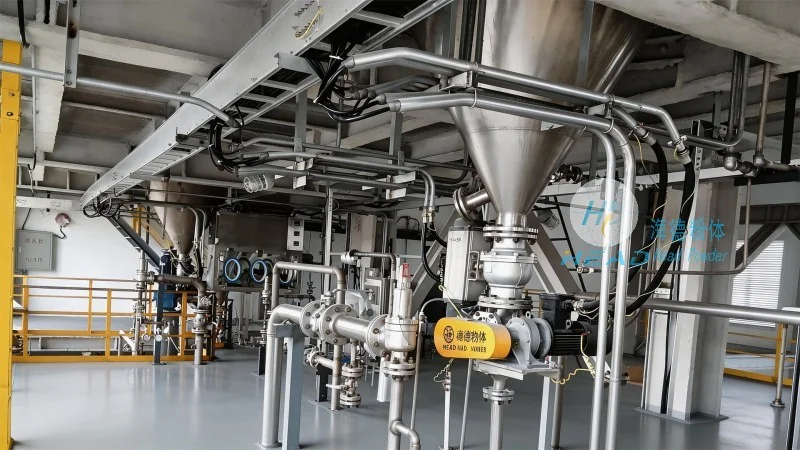
Common Conveying Methods for Cassava
Traditional and widely used methods for transporting cassava include mechanical systems such as belt conveyors, screw conveyors, and bucket elevators. Belt conveyors are commonly employed for short to medium-distance transport, utilizing a continuous belt to move cassava pieces along a fixed path. Screw conveyors, or augers, are effective for vertical or inclined transport, relying on rotating screws to push material forward. Bucket elevators, on the other hand, are ideal for vertical lifting, using buckets attached to a chain or belt to lift cassava from lower to higher levels. These mechanical systems are generally robust and cost-effective for bulk material handling but may face challenges with material abrasion, blockage, and maintenance requirements.
Pneumatic Conveying: A Detailed Overview
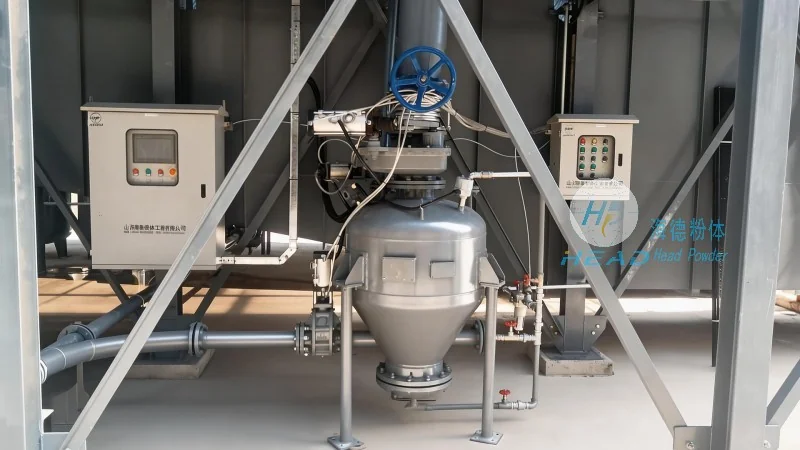
Pneumatic conveying, or air-based transport, represents a modern alternative to traditional mechanical systems. This technology utilizes compressed air to transport cassava particles through a pipeline system, eliminating the need for mechanical components in the conveying path. The process involves feeding cassava into a hopper, where it is then drawn into a pipeline by the airflow. The air-cassava mixture travels through the pipeline to the destination point, where the air is separated from the material and the cassava is discharged. Pneumatic conveying systems can be categorized into two main types: dilute-phase and dense-phase, each offering different performance characteristics.
Advantages of Cassava Pneumatic Conveying
The adoption of pneumatic conveying for cassava transport offers several significant advantages over conventional mechanical methods. Firstly, it minimizes material handling losses and contamination, as the entire conveying process occurs within a closed system, preventing exposure to external elements and reducing the risk of spoilage or cross-contamination. Secondly, pneumatic systems are highly efficient in terms of energy consumption, particularly when operating at high velocities, as the air flow can transport large volumes of cassava with minimal power input. Thirdly, these systems are versatile and adaptable, capable of handling a wide range of cassava sizes and moisture contents without the need for pre-processing or conditioning. Additionally, pneumatic conveying reduces labor costs associated with manual handling and eliminates the need for regular maintenance of mechanical components, leading to lower operational expenses over time.
Key Features of Cassava Pneumatic Conveying Systems
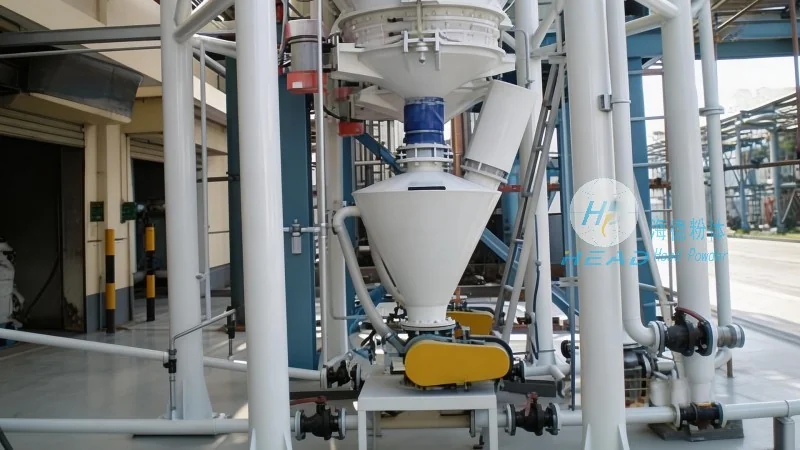
The effectiveness of cassava pneumatic conveying systems is attributed to several key features. The closed-loop design ensures complete containment of the material, enhancing safety and hygiene standards, which is critical in food processing applications. The system's flexibility allows for easy integration with existing processing lines, enabling seamless transfer of cassava from storage to processing equipment. Furthermore, pneumatic conveyors can operate continuously without interruption, as they do not rely on mechanical parts that may wear out or require periodic replacement. The ability to control airflow and pressure precisely enables operators to adjust the conveying rate according to production demands, ensuring optimal performance under varying conditions.
Application Scenarios and Operational Benefits
Pneumatic conveying is particularly well-suited for applications involving long-distance transport, vertical lifting, or the need to maintain product integrity. For instance, in large-scale cassava processing plants, pneumatic systems are used to transport harvested cassava from storage silos to processing units, covering distances of several hundred meters with minimal energy loss. In vertical applications, such as elevating cassava from ground level to processing floors, pneumatic conveyors provide a reliable and efficient solution, eliminating the need for multiple stages of mechanical lifting. The operational benefits extend to reduced downtime, as pneumatic systems are less prone to mechanical failures compared to belt or screw conveyors, and they offer consistent performance even with varying cassava quality or moisture levels.
Conclusion and Company Profile
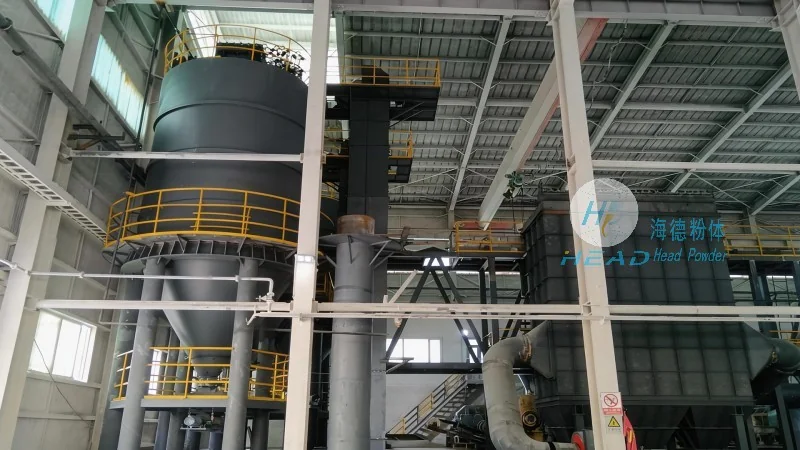
Efficient cassava conveying is a cornerstone of modern agricultural and food processing operations, directly impacting productivity and product quality. Among the various conveying methods available, pneumatic conveying stands out for its advantages in hygiene, efficiency, and adaptability. Shandong HeadPowder Engineering Co., Ltd., a leading manufacturer based in China, specializes in the design and supply of advanced pneumatic conveying systems tailored to the specific needs of cassava processing industries. With a focus on innovation and customer satisfaction, the company provides comprehensive solutions that enhance operational efficiency and ensure the highest standards of product handling. By leveraging the benefits of pneumatic technology, cassava processing facilities can achieve improved productivity, reduced costs, and enhanced product quality, contributing to the overall success of their operations.

 Công ty TNHH Kỹ thuật Công trình Bột Hải Đức Sơn Đông
 156-6277-7102(Quản lý Trương)
  0531-83386006
  Quận Chương Khâu, Thành phố Tế Nam, Tỉnh Sơn Đông, Trung Quốc
Điện thoại
WeChatTư vấn
Lên đầu