Công ty Hải Đức Bột với hơn 10 năm kinh nghiệm vận chuyển khí, cung cấp hệ thống‑thiết bị‑quạt gió và nhận dự án tổng thầu bột cả nước
White mud, a byproduct of the papermaking process, requires efficient and reliable transportation systems to ensure smooth industrial operations. The choice of conveying method significantly impacts operational efficiency, cost, and environmental compliance. This article explores various white mud conveying methods, with a focus on the advantages and features of pneumatic conveying, a popular solution in the industry.
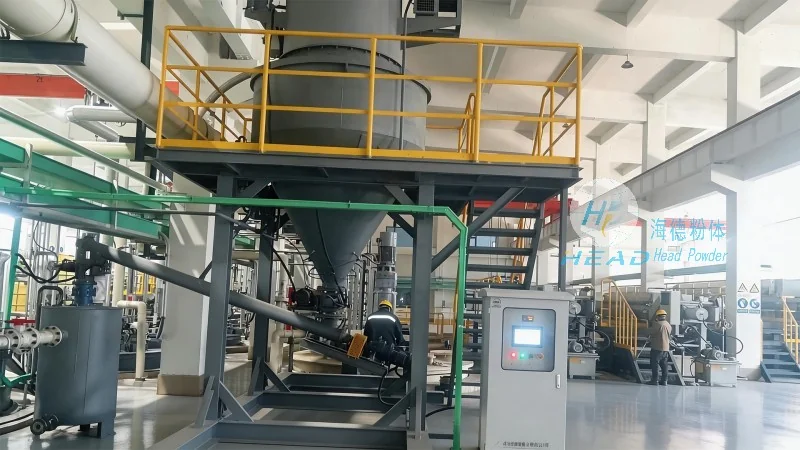
Overview of Common White Mud Conveying Methods
Several methods are employed for transporting white mud, each with distinct characteristics and applications. Traditional methods include gravity flow, hydraulic systems, and mechanical screw conveyors. However, these often face challenges such as blockages, high maintenance costs, and limited flexibility in handling varying mud consistencies. In contrast, pneumatic conveying offers a more advanced and versatile approach.
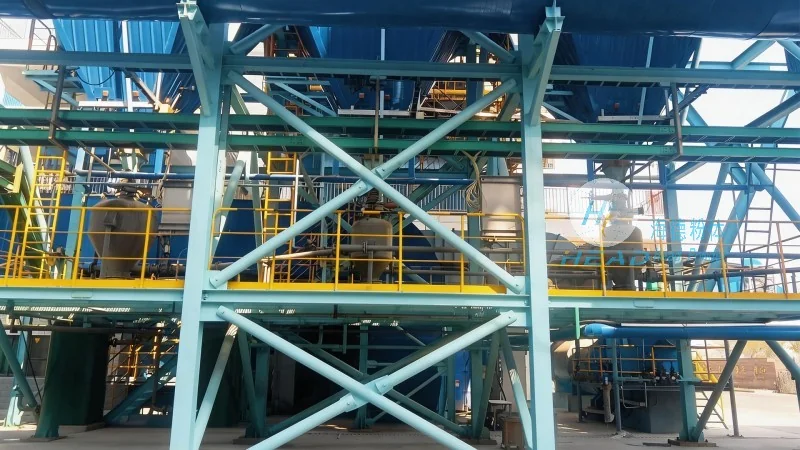
Pneumatic Conveying: A Detailed Look at Its Advantages
Pneumatic conveying utilizes air pressure to transport white mud through a pipeline system. This method is particularly effective for handling fine, dry, or semi-dry materials like white mud, which can be prone to clogging in other systems. The key advantages of pneumatic conveying include: efficient material transport over long distances, reduced equipment wear and tear compared to mechanical systems, and the ability to handle varying mud concentrations without significant adjustments.
Key Features of Pneumatic Conveying Systems
Modern pneumatic conveying systems for white mud are designed with several critical features that enhance performance and reliability. These include: high-pressure air pumps that ensure consistent material movement, flexible pipeline configurations that adapt to existing facility layouts, and advanced control systems that monitor and adjust air pressure and flow rates in real-time. Additionally, these systems often incorporate dust collection and filtration components to meet environmental regulations and maintain workplace safety.
Application Scenarios and Benefits
The benefits of pneumatic conveying are evident in various industrial settings. For example, in paper mills, pneumatic systems can transport white mud from the bleaching or washing stages to storage or treatment facilities without the need for intermediate storage or manual handling. This not only improves operational efficiency but also reduces labor costs and minimizes the risk of material contamination. Furthermore, the ability to handle large volumes of white mud quickly and reliably supports continuous production processes, contributing to overall productivity gains.
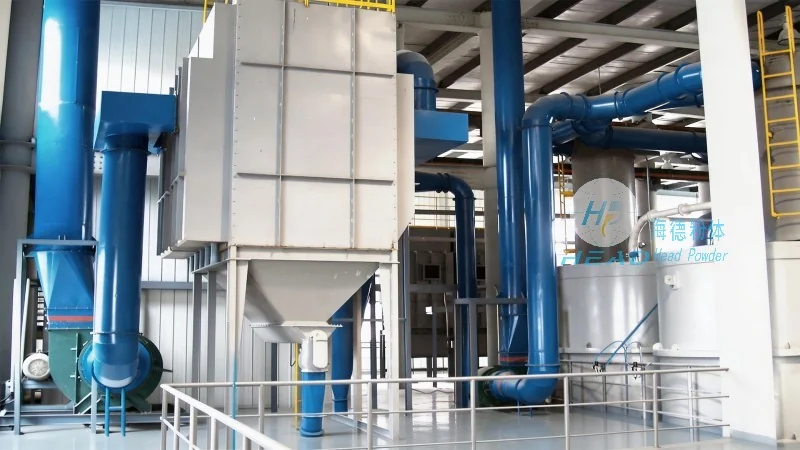
Conclusion and Company Profile
As the paper industry continues to seek more efficient and sustainable solutions for white mud management, pneumatic conveying stands out as a robust and adaptable option. The advantages of reduced maintenance, improved material handling, and compliance with environmental standards make it a preferred choice for many facilities. Shandong HeadPowder Engineering Co., Ltd., a leading provider in this field, specializes in designing and implementing customized pneumatic conveying systems tailored to the specific needs of paper mills and other industrial clients. With a focus on quality and innovation, HeadPowder ensures that its solutions meet the highest industry standards while delivering long-term value to its customers.

 Công ty TNHH Kỹ thuật Công trình Bột Hải Đức Sơn Đông
 156-6277-7102(Quản lý Trương)
  0531-83386006
  Quận Chương Khâu, Thành phố Tế Nam, Tỉnh Sơn Đông, Trung Quốc
Điện thoại
WeChatTư vấn
Lên đầu