Công ty Hải Đức Bột với hơn 10 năm kinh nghiệm vận chuyển khí, cung cấp hệ thống‑thiết bị‑quạt gió và nhận dự án tổng thầu bột cả nước
When it comes to transporting sawdust particles, various methods are employed in industrial settings. Understanding the different approaches is crucial for optimizing material handling processes. This article explores the primary conveying methods used for sawdust particles and highlights the benefits of pneumatic conveying as a leading solution.
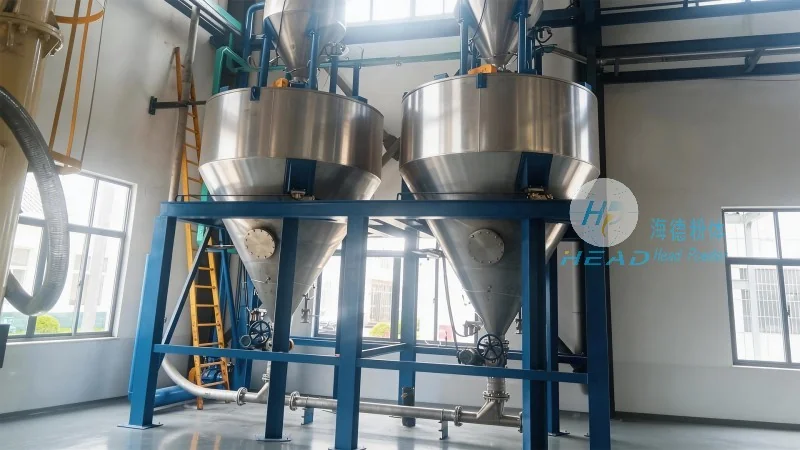
About HeadPowder Engineering Co., Ltd.
HeadPowder, or Shandong HeadPowder Engineering Co., Ltd., is a professional manufacturer and supplier specializing in material handling equipment. With operations based in Shandong, China, the company focuses on providing efficient and reliable solutions for bulk material transportation, including systems for sawdust and other fine particles.
Types of Sawdust Particle Conveying Methods
Several methods are commonly used for conveying sawdust particles, each with its own set of applications and limitations. The main types include mechanical conveying systems such as belt conveyors, screw conveyors, and bucket elevators. These systems rely on mechanical components to move the material from one location to another. However, they may face challenges with fine particles, such as sawdust, which can lead to blockages, wear, and reduced efficiency.
The Advantages of Pneumatic Conveying for Sawdust Particles
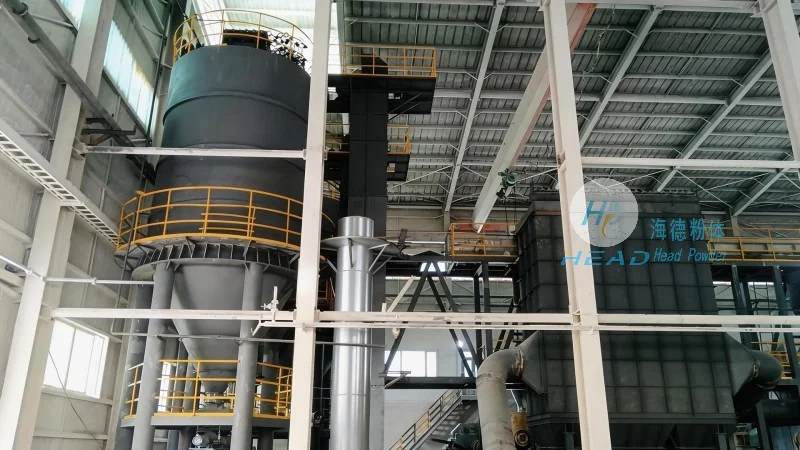
Pneumatic conveying, also known as air conveying, is a method that uses air pressure or vacuum to transport sawdust particles through a pipeline. This technology offers several key advantages over traditional mechanical systems. First, it provides a highly efficient and flexible solution for handling fine and abrasive materials like sawdust. The absence of moving parts in the conveying line reduces maintenance requirements and extends the service life of the equipment. Additionally, pneumatic conveying systems can handle a wide range of particle sizes and moisture contents, making them suitable for diverse applications in woodworking, biomass processing, and other industries.
Key Characteristics of Pneumatic Conveying Systems
For sawdust particles, pneumatic conveying systems exhibit specific characteristics that enhance their performance. One of the most notable features is the ability to transport materials over long distances with minimal energy consumption. The system can operate under positive or negative pressure, allowing for both forward and reverse flow as needed. This flexibility enables seamless integration into existing production lines and facilitates the movement of sawdust from storage to processing units or from processing to storage areas. Furthermore, pneumatic conveying systems are designed to minimize material degradation, ensuring that the quality of the sawdust remains consistent throughout the conveying process. This is particularly important in applications where the sawdust is used as a raw material for energy production or other industrial processes.
Efficiency and Cost-Effectiveness in Sawdust Handling
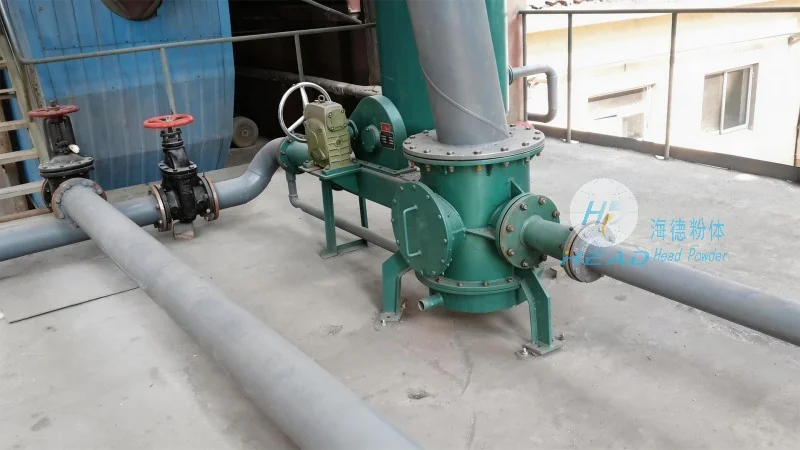
Implementing pneumatic conveying for sawdust particles brings significant benefits in terms of operational efficiency and cost savings. By eliminating the need for multiple mechanical components and reducing downtime due to maintenance, companies can achieve higher productivity levels. The reduced wear and tear on equipment also lower long-term operational costs. Moreover, the ability to handle large volumes of sawdust in a continuous manner streamlines production processes, improving overall throughput. In addition, pneumatic conveying systems are more hygienic and easier to clean compared to mechanical systems, which is a critical factor in industries where material purity is essential.
Conclusion
When considering the best method for conveying sawdust particles, pneumatic conveying stands out as a superior choice due to its efficiency, flexibility, and reliability. The advantages it offers, including reduced maintenance, minimal material degradation, and the ability to handle diverse particle characteristics, make it an ideal solution for modern industrial applications. As a leading provider of material handling equipment, Shandong HeadPowder Engineering Co., Ltd. specializes in designing and manufacturing pneumatic conveying systems tailored to the specific needs of sawdust processing facilities. By leveraging the benefits of pneumatic conveying, businesses can optimize their material handling processes, enhance productivity, and ensure consistent quality in their sawdust products.

 Công ty TNHH Kỹ thuật Công trình Bột Hải Đức Sơn Đông
 156-6277-7102(Quản lý Trương)
  0531-83386006
  Quận Chương Khâu, Thành phố Tế Nam, Tỉnh Sơn Đông, Trung Quốc
Điện thoại
WeChatTư vấn
Lên đầu