Công ty Hải Đức Bột với hơn 10 năm kinh nghiệm vận chuyển khí, cung cấp hệ thống‑thiết bị‑quạt gió và nhận dự án tổng thầu bột cả nước
When it comes to transporting fly ash particles, selecting the right conveying method is crucial for efficiency, cost-effectiveness, and operational reliability. Fly ash, a byproduct of coal combustion, is widely used in construction and industrial applications, making the choice of a suitable transportation system vital for various industries. This article explores the different methods of fly ash particle conveying and highlights the advantages of pneumatic conveying as a leading solution, with a focus on the expertise of Shandong HeadPowder Engineering Co., Ltd.
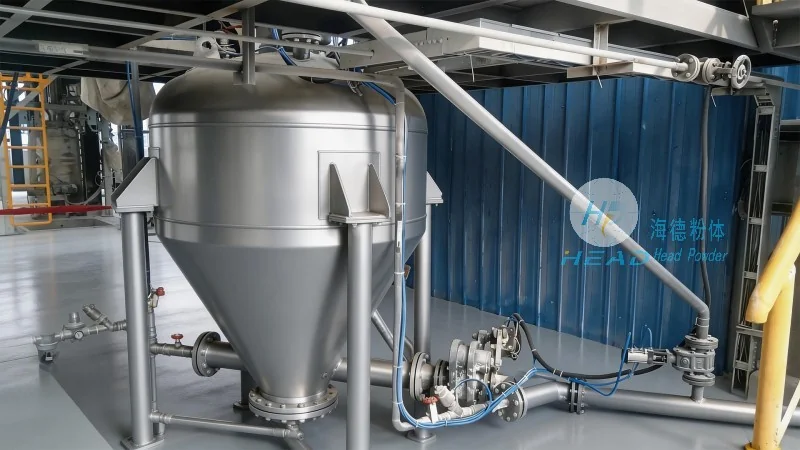
Common Fly Ash Particle Conveying Methods
Several methods are employed for transporting fly ash particles, each with its own set of characteristics and applications. The primary options include:
Mechanical Conveying: This method utilizes equipment such as belt conveyors, screw conveyors, and bucket elevators. Mechanical conveying is often used for short to medium distances and is suitable for bulk materials that are not too abrasive. However, it may face challenges with fly ash, which can be fine and dusty, leading to issues like material buildup and maintenance.
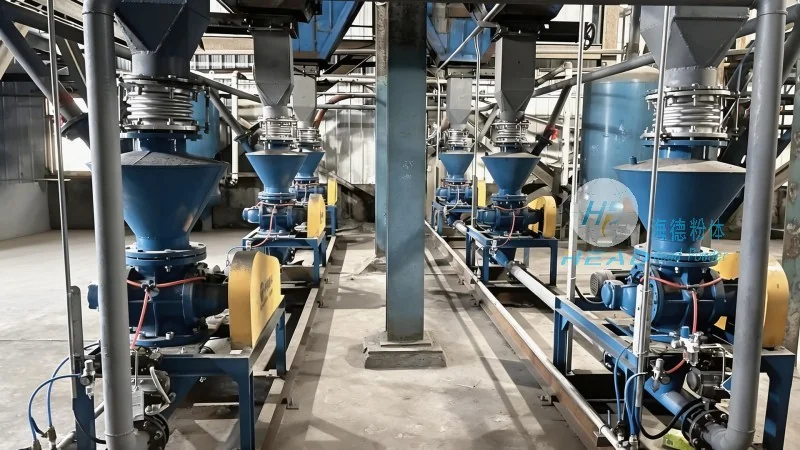
Pneumatic Conveying: This method uses air or gas to transport particles through a pipeline. It is particularly effective for fly ash due to its ability to handle fine powders and provide a dust-free environment.
Hydraulic Conveying: This involves using water or other liquids to transport particles. It is suitable for wet or slurry applications but may not be ideal for dry fly ash.
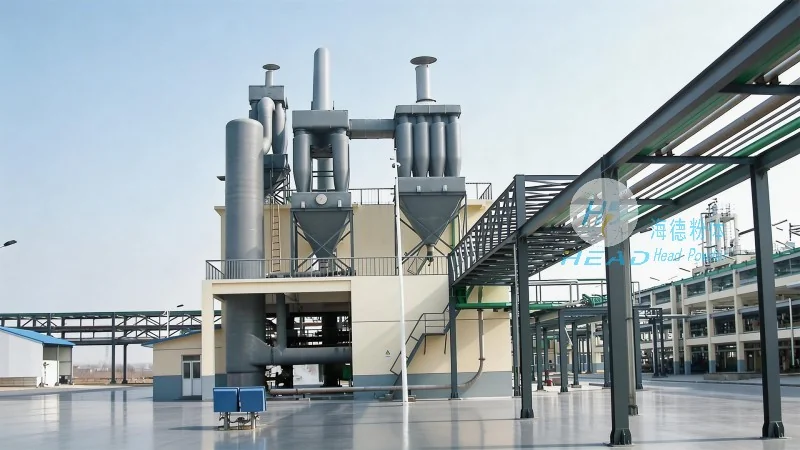
Advantages of Fly Ash Particle Pneumatic Conveying
Pneumatic conveying has emerged as a preferred method for fly ash particle transportation due to its unique advantages. The key benefits include:
Efficient and Flexible: Pneumatic systems can transport fly ash over long distances with minimal setup and maintenance. They can be easily adapted to different layouts and can handle varying particle sizes and flow rates.
Dust-Free Operation: Unlike mechanical or hydraulic methods, pneumatic conveying provides a closed system that prevents dust emissions, ensuring a cleaner working environment and compliance with environmental regulations.
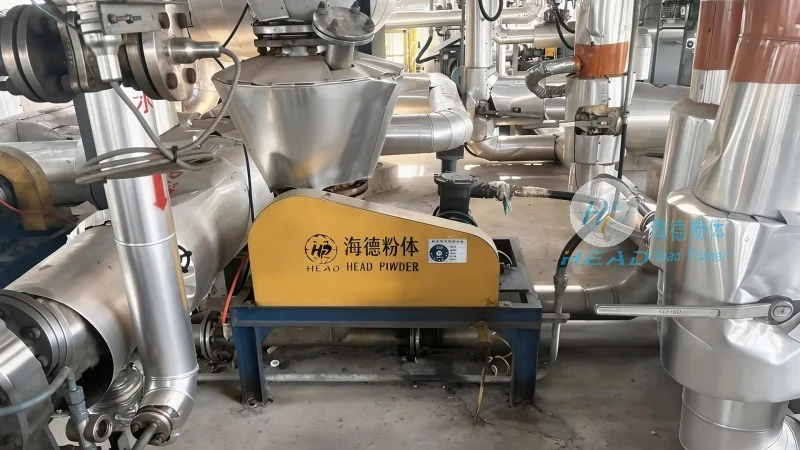
Reduced Maintenance: With fewer moving parts compared to mechanical conveyors, pneumatic systems require less frequent maintenance, leading to lower operational costs and increased uptime.
Energy Efficiency: Modern pneumatic conveying systems are designed to be energy-efficient, utilizing optimized air flow and pressure control to minimize energy consumption while maintaining high conveying rates.
Key Features of Pneumatic Fly Ash Conveying Systems
HeadPowder, a leading provider of engineering solutions, offers advanced pneumatic conveying systems tailored to the specific needs of fly ash transportation. The key features of these systems include:

 Công ty TNHH Kỹ thuật Công trình Bột Hải Đức Sơn Đông
 156-6277-7102(Quản lý Trương)
  0531-83386006
  Quận Chương Khâu, Thành phố Tế Nam, Tỉnh Sơn Đông, Trung Quốc
Điện thoại
WeChatTư vấn
Lên đầu