Công ty Hải Đức Bột với hơn 10 năm kinh nghiệm vận chuyển khí, cung cấp hệ thống‑thiết bị‑quạt gió và nhận dự án tổng thầu bột cả nước
Sand, a fundamental material in construction, manufacturing, and various industrial processes, requires efficient and reliable transport methods to move it from one location to another. Traditional methods like belt conveyors, bucket elevators, and manual handling have limitations when dealing with fine, dusty materials like sand. This article explores common sand conveying methods, with a focus on the advantages and applications of pneumatic conveying systems.
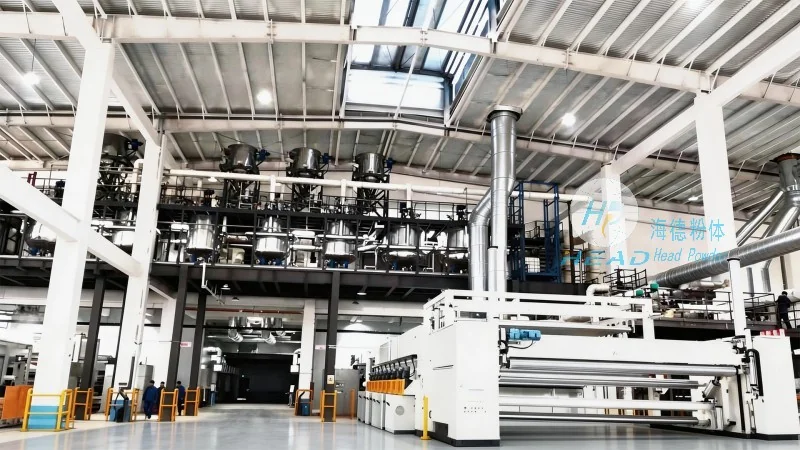
Overview of Conveying Technologies for Sand
Several methods are commonly used to transport sand, each with its own set of advantages and limitations. The choice of method depends on factors such as the distance to be covered, the volume of sand, the environment, and the specific requirements of the application. Traditional mechanical systems, including belt conveyors and screw conveyors, are widely used but may struggle with dust control and material degradation. In contrast, pneumatic conveying offers a more flexible and efficient solution for many sand handling scenarios.
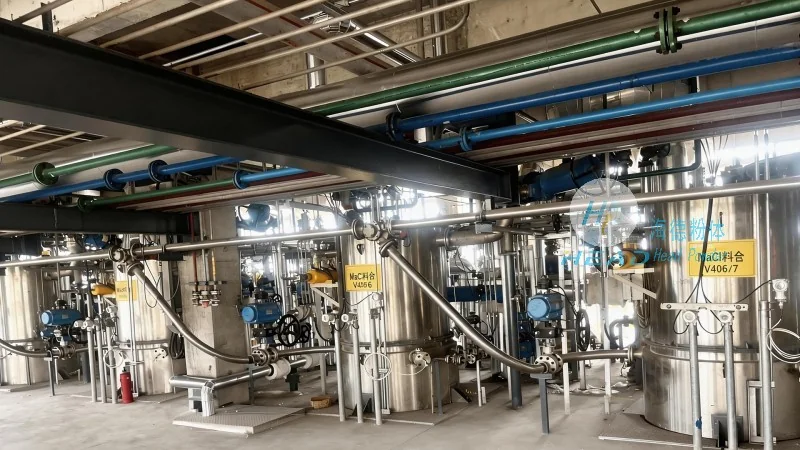
Pneumatic Conveying Systems for Sand: Key Features and Applications
Pneumatic conveying systems use air or other gases to transport solid materials like sand through a pipeline. These systems are categorized into two main types: pressure and vacuum systems. Pressure systems force air and sand through the pipeline, while vacuum systems draw the material into the system using a vacuum. For sand, pressure systems are often preferred due to their ability to handle larger volumes and longer distances without significant pressure loss.
Advantages of Using Pneumatic Conveying for Sand Transport
Pneumatic conveying offers several key advantages over traditional mechanical methods. First, it provides excellent dust control, as the material is contained within a sealed pipeline, reducing airborne dust and improving workplace safety. Second, it minimizes material degradation, as the sand is not subjected to friction or impact from moving parts, which can break down the particles. Third, pneumatic systems are highly flexible, allowing for changes in the layout of the conveying line without major modifications. Additionally, they can handle a wide range of sand types, from fine to coarse, and can transport sand over long distances with minimal energy loss.
Practical Considerations in Implementing Sand Pneumatic Conveying Solutions
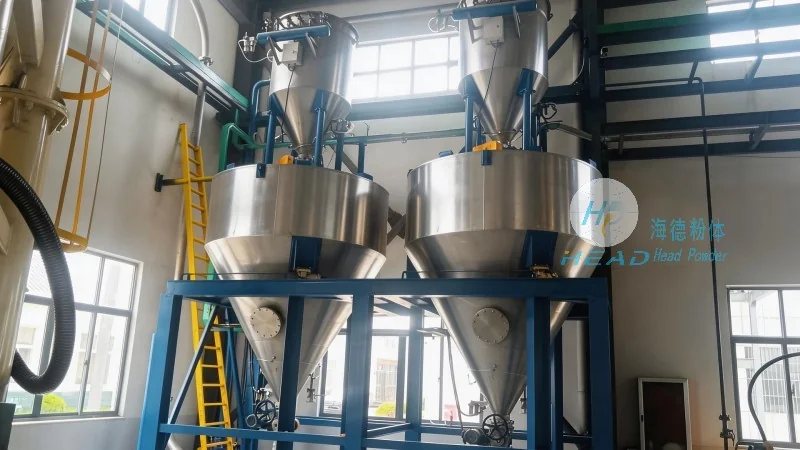
When implementing a pneumatic conveying system for sand, several practical considerations must be taken into account. The first is the selection of the appropriate system type—pressure or vacuum—based on the distance and volume requirements. The second is the design of the pipeline, which must be sized correctly to ensure efficient flow and minimize pressure drop. The third is the choice of air compressor or vacuum pump, which must be capable of providing sufficient pressure or vacuum to move the sand. Finally, the system must be equipped with proper controls and safety features to ensure reliable and safe operation.
About HeadPowder: Your Partner in Efficient Sand Handling
Shandong HeadPowder Engineering Co., Ltd., a leading provider of sand handling solutions, specializes in designing and manufacturing pneumatic conveying systems tailored to the needs of various industries. With years of experience in the field, HeadPowder offers customized solutions that address the unique challenges of sand transport. Their systems are built with high-quality components and advanced technology to ensure durability, efficiency, and reliability. By partnering with HeadPowder, businesses can improve their sand handling processes, reduce costs, and enhance workplace safety.

 Công ty TNHH Kỹ thuật Công trình Bột Hải Đức Sơn Đông
 156-6277-7102(Quản lý Trương)
  0531-83386006
  Quận Chương Khâu, Thành phố Tế Nam, Tỉnh Sơn Đông, Trung Quốc
Điện thoại
WeChatTư vấn
Lên đầu