Công ty Hải Đức Bột với hơn 10 năm kinh nghiệm vận chuyển khí, cung cấp hệ thống‑thiết bị‑quạt gió và nhận dự án tổng thầu bột cả nước
When handling ceramic materials, selecting the right conveying method is crucial for maintaining product quality and operational efficiency. Various methods are available, each with its own advantages and applications. This article provides an overview of common ceramic conveying techniques, with a focus on the benefits and considerations of pneumatic conveying.
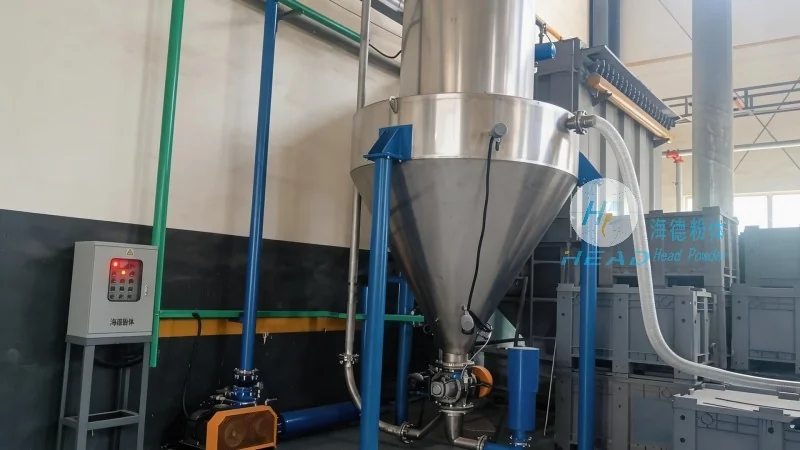
Pneumatic Conveying for Ceramic Materials
Pneumatic conveying, also known as air conveying, is a widely used method for transporting ceramic powders and granules. This technique involves using air pressure or vacuum to move materials through a pipeline. The process typically involves a hopper, a feeder, a conveyor line, and a receiver. The key advantages of pneumatic conveying for ceramics include minimal product degradation, low contamination risk, and the ability to handle fine powders and delicate materials without damage.
Advantages of Pneumatic Conveying in Ceramic Processing
For ceramic manufacturers, pneumatic conveying offers several key benefits. Firstly, it ensures a clean and hygienic environment, which is critical for food-grade or pharmaceutical ceramics. The enclosed system prevents dust from escaping into the workplace, reducing health hazards and maintaining product purity. Secondly, it provides precise control over material flow, allowing for accurate dosing and consistent product quality. This is particularly important in applications where uniform particle size and composition are required, such as in the production of ceramic tiles, sanitaryware, or electronic components.
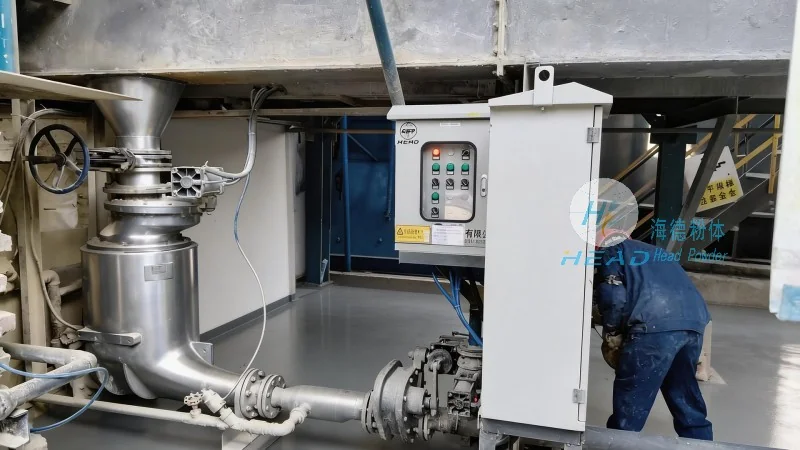
Considerations for Implementing Ceramic Pneumatic Conveying Systems
While pneumatic conveying is highly effective, several factors must be considered when designing and installing such systems. The first is the material's properties, including particle size, density, and moisture content. These characteristics influence the choice of conveying air velocity and system design. For example, fine powders may require higher air velocities to prevent clogging, while larger particles can be conveyed at lower speeds. Another critical factor is the system's scale and the distance over which materials need to be transported. HeadPowder offers customized solutions that address these variables, ensuring optimal performance and energy efficiency.
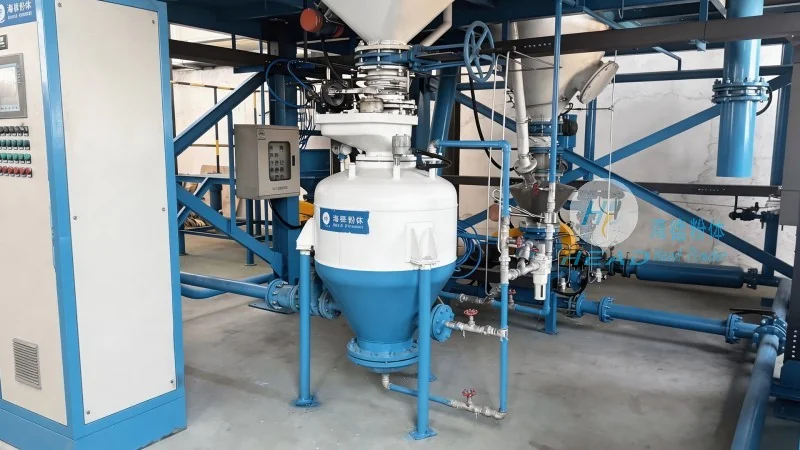
HeadPowder's Expertise in Ceramic Conveying Solutions
HeadPowder Engineering Co., Ltd., based in Shandong, China, is committed to providing cutting-edge ceramic conveying solutions. The company's team of engineers and technicians works closely with clients to understand their specific requirements and develop tailored systems. Whether it's a small-scale laboratory setup or a large industrial production line, HeadPowder's products are designed to meet the highest standards of performance, reliability, and durability. The company's focus on quality and customer satisfaction has made it a trusted partner for many ceramic manufacturers worldwide.

 Công ty TNHH Kỹ thuật Công trình Bột Hải Đức Sơn Đông
 156-6277-7102(Quản lý Trương)
  0531-83386006
  Quận Chương Khâu, Thành phố Tế Nam, Tỉnh Sơn Đông, Trung Quốc
Điện thoại
WeChatTư vấn
Lên đầu