Công ty Hải Đức Bột với hơn 10 năm kinh nghiệm vận chuyển khí, cung cấp hệ thống‑thiết bị‑quạt gió và nhận dự án tổng thầu bột cả nước
PE (Polyethylene) pellets are widely used in various industrial applications, and efficient conveying of these lightweight, granular materials is crucial for smooth production processes. The choice of conveying method significantly impacts operational efficiency, material quality, and overall system reliability. This article provides an overview of common PE pellet conveying methods, with a focus on the advantages and applications of pneumatic conveying, a popular solution for handling PE pellets.
Understanding PE Pellet Conveying Requirements
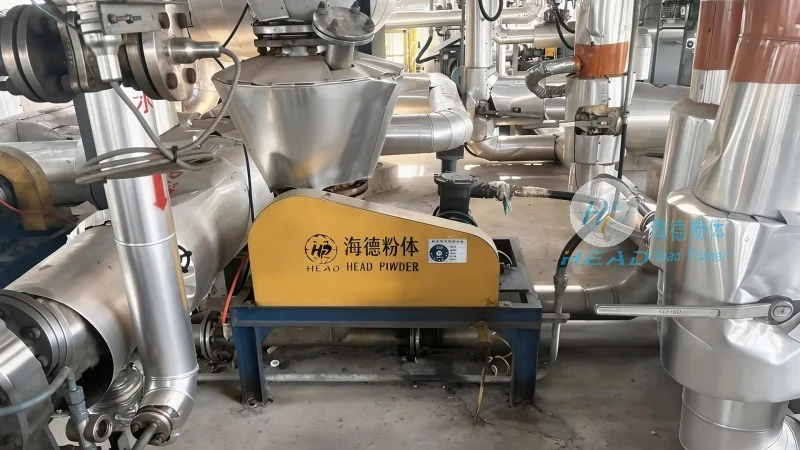
Before delving into specific conveying methods, it's essential to understand the key requirements for PE pellet handling. PE pellets are typically small, uniform in size, and can be lightweight or have varying densities. The conveying system must address challenges such as material flow consistency, prevention of dust generation, and the ability to transport pellets over short or long distances. Additionally, the system should minimize product degradation, ensure hygienic handling (especially in food and pharmaceutical applications), and integrate seamlessly with existing production lines.
Common PE Pellet Conveying Methods
Several methods are employed for transporting PE pellets, each with distinct characteristics suited to different operational needs. The primary categories include mechanical conveying systems and pneumatic conveying systems. Mechanical systems, such as screw conveyors and belt conveyors, are often used for short-distance, low-volume applications. However, for longer distances or when handling large volumes, pneumatic conveying systems offer superior flexibility and efficiency.
Pneumatic Conveying: A Preferred Solution for PE Pellets
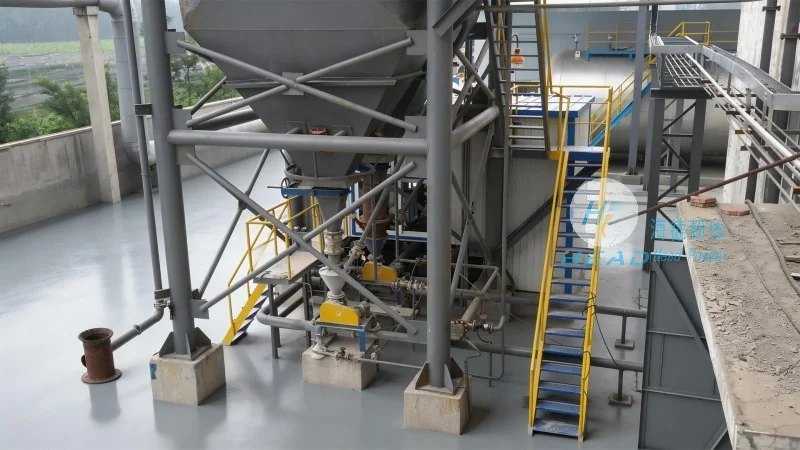
Pneumatic conveying, also known as air conveying, uses compressed air to transport PE pellets through a pipeline. This method is particularly effective for PE pellets due to its ability to handle fine particles, minimize dust, and maintain product integrity. There are two main types of pneumatic conveying: pressure and vacuum systems. Pressure systems use positive pressure to push pellets through the pipeline, while vacuum systems use negative pressure to draw pellets into the system. The choice between these depends on the distance, volume, and specific material properties of the PE pellets being transported.
Key Advantages of Pneumatic Conveying for PE Pellets
For PE pellet applications, pneumatic conveying offers several advantages over other methods. Firstly, it provides a dust-free environment, which is critical for maintaining product quality and ensuring compliance with health and safety regulations. Secondly, the system can handle varying particle sizes and densities without the need for extensive modifications. Thirdly, pneumatic conveying systems are highly flexible, allowing for easy integration with existing production lines and the ability to transport pellets to multiple destinations from a single source. Additionally, these systems can operate at high speeds, reducing overall conveying time and increasing production throughput.
Components of a PE Pellet Pneumatic Conveying System
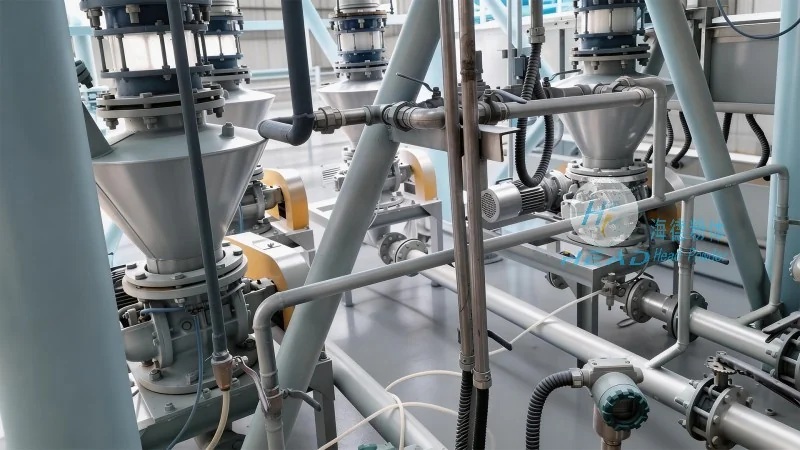
A typical PE pellet pneumatic conveying system consists of several key components. These include a hopper or feeder to store and meter the pellets, a blower or compressor to generate the necessary air pressure, a pipeline network to transport the pellets, and a receiver or discharge unit to collect the material at the destination. The hopper often includes a rotary valve or feeder to control the flow rate of pellets into the system, ensuring consistent material delivery. The blower or compressor provides the energy to move the pellets through the pipeline, with pressure or vacuum levels adjusted based on the system's requirements. The pipeline is usually made of stainless steel or other corrosion-resistant materials to prevent contamination and ensure durability. The receiver may include a filter or cyclone to separate any entrained air from the pellets, maintaining a clean and efficient system.
Applications and Industries Using PE Pellet Pneumatic Conveying
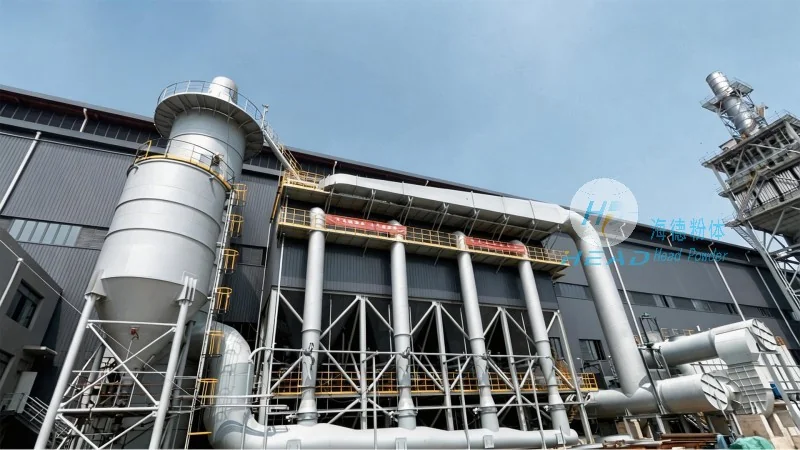
PE pellet pneumatic conveying is widely used across various industries, including plastics manufacturing, food processing, and pharmaceuticals. In the plastics industry, it is commonly employed in the production of PE films, pipes, and containers, where consistent material flow is essential for maintaining product quality. The food and pharmaceutical sectors benefit from the hygienic and dust-free nature of pneumatic conveying, ensuring that PE pellets used in packaging or processing do not compromise product safety. Additionally, the system's flexibility makes it suitable for applications requiring multiple destinations or varying production volumes.
Considerations for Selecting a PE Pellet Conveying System
When selecting a PE pellet conveying system, several factors must be considered to ensure optimal performance. The first is the distance and volume of material to be transported, as this determines whether a pressure or vacuum system is more suitable. The second is the particle size and density of the PE pellets, as these affect the system's design and energy requirements. Thirdly, the need for dust control and product hygiene must be evaluated, as these are critical in industries such as food and pharmaceuticals. Additionally, the integration with existing production lines and the availability of maintenance support should be considered. Consulting with a specialized engineering company, such as Shandong HeadPowder Engineering Co., Ltd. (headpowder), can provide valuable insights into the most suitable conveying system for specific PE pellet applications.
Conclusion
Efficient PE pellet conveying is a critical component of many industrial processes, and the choice of conveying method directly impacts operational efficiency and product quality. While mechanical systems are suitable for short-distance applications, pneumatic conveying, particularly pressure and vacuum systems, offers superior flexibility, dust control, and material integrity for PE pellets. By understanding the key requirements and components of a pneumatic conveying system, industries can select the most appropriate solution to meet their production needs. For companies seeking reliable PE pellet conveying solutions, Shandong HeadPowder Engineering Co., Ltd. provides expert engineering and customized systems tailored to specific operational requirements.

 Công ty TNHH Kỹ thuật Công trình Bột Hải Đức Sơn Đông
 156-6277-7102(Quản lý Trương)
  0531-83386006
  Quận Chương Khâu, Thành phố Tế Nam, Tỉnh Sơn Đông, Trung Quốc
Điện thoại
WeChatTư vấn
Lên đầu