Công ty Hải Đức Bột với hơn 10 năm kinh nghiệm vận chuyển khí, cung cấp hệ thống‑thiết bị‑quạt gió và nhận dự án tổng thầu bột cả nước
When it comes to handling calcium carbide powder, selecting the right conveying method is crucial for ensuring efficiency, safety, and product integrity. As a leading provider in the field, Shandong HeadPowder Engineering Co., Ltd. specializes in advanced solutions tailored to the unique challenges of calcium carbide powder transport. This article explores the common methods used for calcium carbide powder conveying, with a particular focus on the benefits and applications of pneumatic conveying systems.
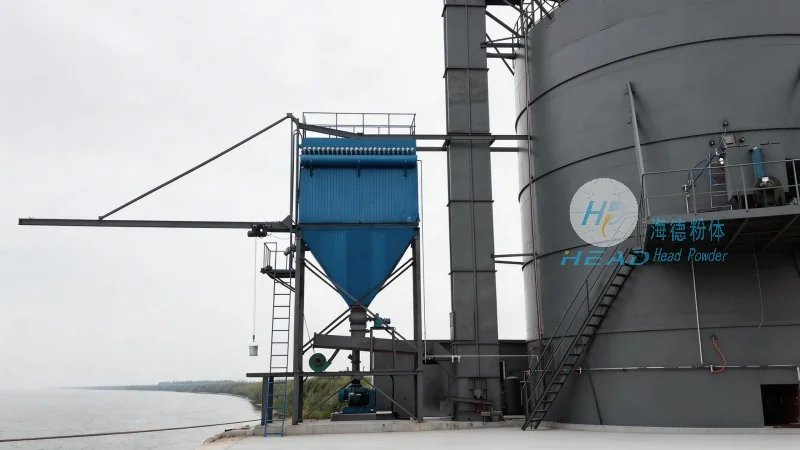
Understanding Calcium Carbide Powder and Its Conveying Challenges
Calcium carbide powder is a critical raw material in various industrial applications, including the production of acetylene gas and other chemical processes. Its handling requires specialized equipment due to its reactive nature and fine particle size. Traditional bulk material handling methods may not be suitable for calcium carbide powder, as it can be prone to dusting, caking, and spontaneous combustion under certain conditions. Therefore, choosing an appropriate conveying system is essential to maintain product quality and operational safety.
Common Conveying Methods for Calcium Carbide Powder
Several methods are commonly employed for calcium carbide powder transport, each with its own advantages and limitations. The primary approaches include mechanical conveying systems such as screw conveyors, belt conveyors, and bucket elevators, as well as pneumatic conveying systems. Mechanical systems are often used for short-distance or low-volume applications, while pneumatic systems are preferred for longer distances, higher volumes, and more complex layouts.
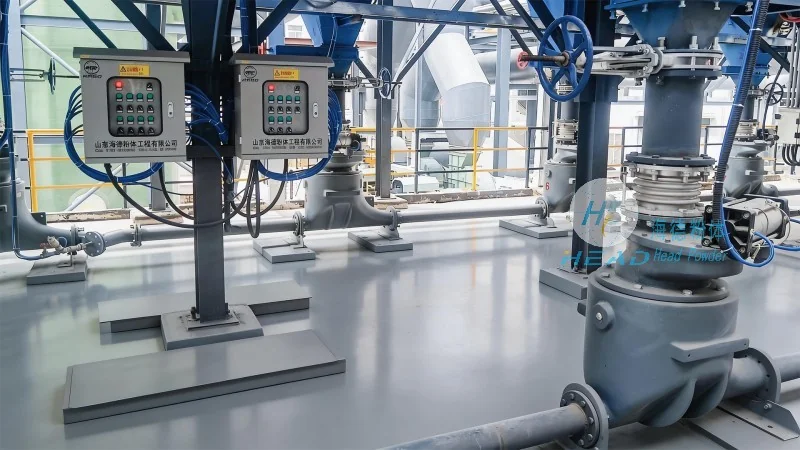
Pneumatic Conveying: The Preferred Solution for Calcium Carbide Powder
Pneumatic conveying, also known as air-assisted transport, is widely regarded as the most effective method for calcium carbide powder handling. This technology utilizes compressed air to move the powder through a pipeline system, eliminating the need for mechanical components that could cause contamination or damage to the material. The process involves creating a pressure differential that propels the powder particles through the pipeline, ensuring a smooth and controlled flow.
There are two main types of pneumatic conveying systems: dilute-phase and dense-phase. Dilute-phase systems operate at lower air-to-powder ratios, suitable for short to medium distances and moderate flow rates. Dense-phase systems, on the other hand, use higher air pressures and lower flow rates to move the powder in a more concentrated manner, ideal for longer distances and preventing material degradation. Both systems offer advantages in terms of flexibility, scalability, and reduced maintenance compared to traditional mechanical conveyors.
Key Benefits of Pneumatic Conveying for Calcium Carbide Powder
Implementing pneumatic conveying systems for calcium carbide powder offers several key benefits. Firstly, it provides a dust-free and enclosed environment, minimizing the risk of dust exposure and improving workplace safety. Secondly, the system reduces product contamination by eliminating contact with external surfaces or equipment. Thirdly, pneumatic conveying allows for precise control over flow rates and pressure, ensuring consistent material delivery to downstream processes. Additionally, these systems are highly scalable, enabling easy expansion or integration with existing production lines.
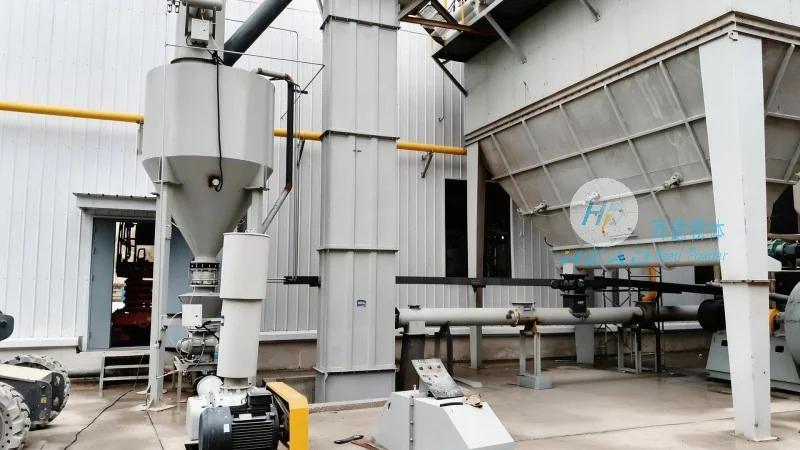
Application Examples and Industry Use Cases
Pneumatic conveying systems are widely used in various industries that handle calcium carbide powder, including chemical manufacturing, steel production, and industrial gas production. For instance, in chemical plants, these systems are employed to transport calcium carbide from storage silos to reactors, ensuring a continuous and controlled feed. In steel mills, pneumatic conveyors are used to move the powder to gas generators, where it reacts with water to produce acetylene gas for welding and cutting applications. The versatility of pneumatic conveying makes it suitable for both small-scale and large-scale operations, adapting to the specific needs of each industrial setting.
Conclusion and Recommendations
When selecting a conveying method for calcium carbide powder, it is essential to consider factors such as material properties, distance, flow rate, and operational requirements. While mechanical systems may be suitable for certain applications, pneumatic conveying systems offer superior performance, safety, and flexibility for most calcium carbide powder handling scenarios. Shandong HeadPowder Engineering Co., Ltd. provides comprehensive solutions, including custom-designed pneumatic conveying systems tailored to the unique needs of each client. By investing in advanced pneumatic conveying technology, industries can enhance operational efficiency, reduce downtime, and ensure the safe and reliable transport of calcium carbide powder.

 Công ty TNHH Kỹ thuật Công trình Bột Hải Đức Sơn Đông
 156-6277-7102(Quản lý Trương)
  0531-83386006
  Quận Chương Khâu, Thành phố Tế Nam, Tỉnh Sơn Đông, Trung Quốc
Điện thoại
WeChatTư vấn
Lên đầu