Công ty Hải Đức Bột với hơn 10 năm kinh nghiệm vận chuyển khí, cung cấp hệ thống‑thiết bị‑quạt gió và nhận dự án tổng thầu bột cả nước
When it comes to transporting foam particles, selecting the right conveying method is crucial for efficiency, cost-effectiveness, and operational safety. Foam particle materials, often used in industries such as pharmaceuticals, food processing, and chemical manufacturing, require specialized handling due to their unique properties like low density and potential for dust generation. This article provides an overview of common foam particle conveying methods, with a focus on pneumatic conveying systems, and highlights the expertise of Shandong HeadPowder Engineering Co., Ltd. in delivering tailored solutions for diverse industrial applications.
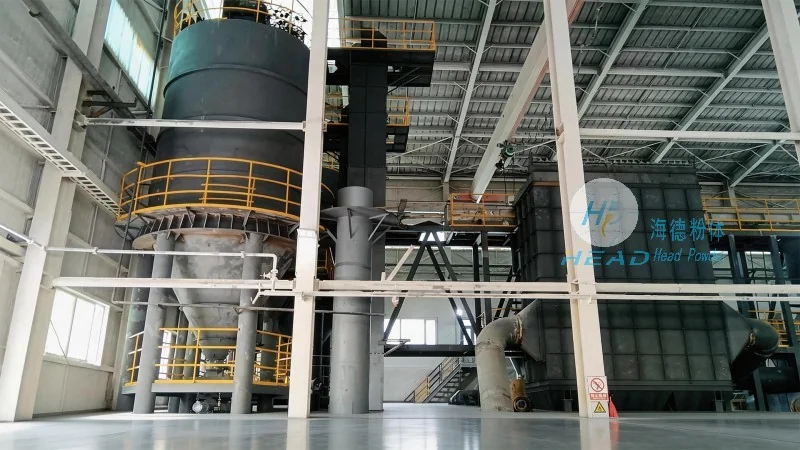
Understanding Foam Particle Characteristics and Conveying Challenges
Foam particles typically exhibit low bulk density and can be prone to static electricity, which affects how they are transported. Unlike traditional bulk materials, foam particles may require gentle handling to prevent degradation or contamination. Conveying systems must be designed to maintain particle integrity while ensuring reliable material transfer. Shandong HeadPowder Engineering Co., Ltd. specializes in addressing these challenges by developing customized pneumatic conveying solutions that meet the specific needs of each client.
Types of Foam Particle Conveying Methods
There are several primary methods for conveying foam particles, each with its own advantages and applications. The most common approaches include positive pressure, negative pressure, and mixed pressure systems. Each method is suitable for different operational scenarios and material characteristics.
Positive Pressure Conveying Systems
Positive pressure conveying, also known as pressure pneumatic conveying, operates by forcing air or gas through the conveying line at a pressure higher than the ambient air pressure. This method is ideal for applications where the material needs to be transported over long distances or through complex piping networks. The high pressure ensures consistent flow and reduces the risk of blockages. Shandong HeadPowder Engineering Co., Ltd. designs positive pressure systems that utilize high-efficiency blowers and specialized valves to maintain optimal pressure levels and prevent material degradation. These systems are particularly effective for transporting foam particles that are sensitive to moisture or temperature changes.
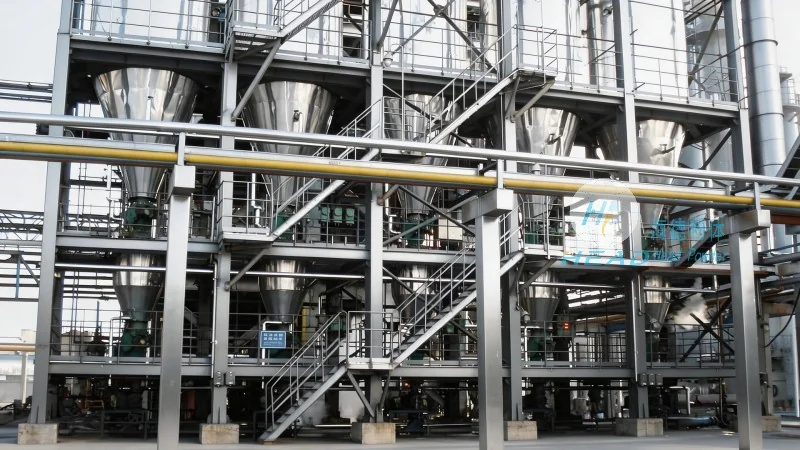
Negative Pressure Conveying Systems
Negative pressure conveying, or vacuum pneumatic conveying, uses a vacuum to draw material from the source into the conveying line. This method is commonly used for short-distance transfers or when the material needs to be collected from multiple points. The vacuum system creates a pressure differential that pulls the particles into the line, making it suitable for applications where the material is generated at a single point and needs to be moved to a central processing unit. Shandong HeadPowder Engineering Co., Ltd. implements negative pressure systems with robust vacuum pumps and filtration units to ensure clean and efficient material transfer. These systems are ideal for handling foam particles that are prone to dust generation and require a controlled environment.
Mixed Pressure Conveying Systems
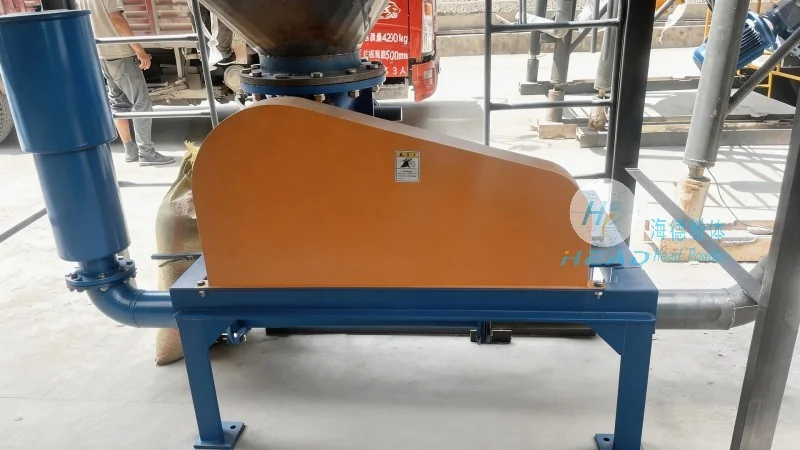
Mixed pressure conveying combines elements of both positive and negative pressure systems. It uses a combination of pressure and vacuum to optimize material flow and reduce energy consumption. This method is particularly useful for long-distance or complex conveying routes where both pressure and vacuum are needed to maintain consistent flow. Shandong HeadPowder Engineering Co., Ltd. offers mixed pressure solutions that integrate advanced control systems to adjust pressure and vacuum levels dynamically, ensuring efficient operation and minimal material loss. These systems are suitable for a wide range of foam particle applications, including those requiring high throughput and precise control.
Key Considerations for Foam Particle Conveying
When selecting a foam particle conveying method, several factors must be considered to ensure optimal performance. These include the material's physical properties (density, moisture content, and particle size), the required conveying distance, and the desired throughput. Shandong HeadPowder Engineering Co., Ltd. conducts thorough assessments of each client's needs to recommend the most suitable system. The company also emphasizes the importance of proper equipment maintenance and regular system checks to prevent issues such as blockages or material degradation. By focusing on these key considerations, clients can achieve reliable and cost-effective foam particle transportation.
Conclusion
Foam particle conveying is a specialized field that requires careful consideration of material properties and operational requirements. Shandong HeadPowder Engineering Co., Ltd. provides comprehensive solutions for various foam particle conveying methods, including positive, negative, and mixed pressure systems. With their expertise and commitment to quality, the company helps clients optimize their material handling processes, reduce costs, and improve overall operational efficiency. Whether you need to transport foam particles over short or long distances, Shandong HeadPowder Engineering Co., Ltd. offers tailored solutions that meet your specific needs.

 Công ty TNHH Kỹ thuật Công trình Bột Hải Đức Sơn Đông
 156-6277-7102(Quản lý Trương)
  0531-83386006
  Quận Chương Khâu, Thành phố Tế Nam, Tỉnh Sơn Đông, Trung Quốc
Điện thoại
WeChatTư vấn
Lên đầu