Công ty Hải Đức Bột với hơn 10 năm kinh nghiệm vận chuyển khí, cung cấp hệ thống‑thiết bị‑quạt gió và nhận dự án tổng thầu bột cả nước
For industrial applications dealing with sintered dust, selecting the right conveying method is crucial for efficiency, safety, and operational reliability. Sintered dust, a byproduct of sintering processes in metallurgy and other industries, poses unique challenges due to its fine particle size, moisture content, and potential for dust explosions. Effective dust handling requires specialized equipment and systems designed to manage these characteristics while ensuring minimal environmental impact and operational costs.
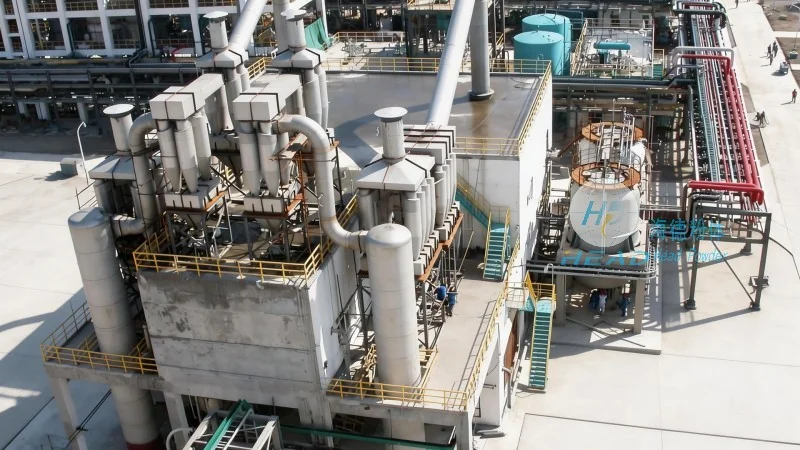
Understanding Sintered Dust and Its Conveying Challenges
Sintered dust is typically composed of fine particles that can be abrasive and prone to agglomeration. These properties make traditional bulk material handling methods, such as belt conveyors and screw conveyors, less effective. The dust's potential to create dust clouds and the risk of explosion in confined spaces further necessitate the use of enclosed, controlled systems. Pneumatic conveying, in particular, offers a solution by transporting dust particles through a pipeline using air pressure, minimizing exposure and contamination risks.
Common Conveying Methods for Sintered Dust
Several methods are commonly used to transport sintered dust, each with its own advantages and limitations. The primary approaches include mechanical conveying systems like belt conveyors and screw conveyors, as well as pneumatic conveying systems. Mechanical systems are often preferred for bulk materials with larger particle sizes, but they may not be suitable for fine, dusty powders due to the risk of clogging and increased maintenance. In contrast, pneumatic conveying systems are specifically designed for handling fine powders and dust, providing a more controlled and efficient solution.
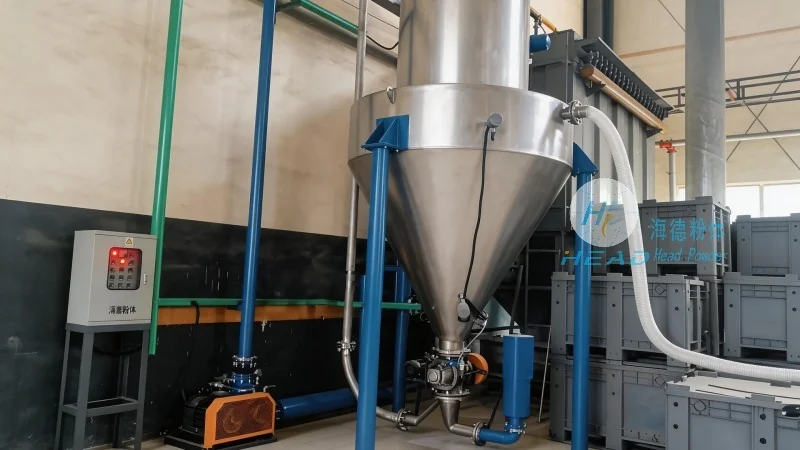
HeadPowder's Pneumatic Conveying Solutions for Sintered Dust
Shandong HeadPowder Engineering Co., Ltd., a leading provider of dust handling solutions, specializes in designing and manufacturing pneumatic conveying systems tailored to the unique needs of sintered dust applications. The company's expertise lies in developing enclosed, explosion-proof systems that ensure safe and reliable transport of dust particles. HeadPowder's solutions incorporate advanced technology, such as positive pressure or negative pressure systems, to optimize material flow and minimize energy consumption. The systems are engineered to handle varying dust characteristics, including different particle sizes, moisture levels, and chemical compositions, ensuring compatibility with a wide range of industrial processes.
Key Features of HeadPowder's Sintered Dust Conveying Systems
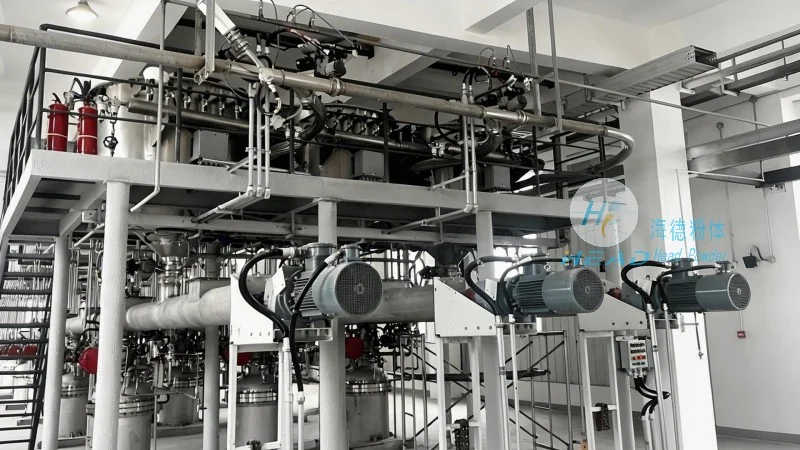
HeadPowder's pneumatic conveying systems for sintered dust are equipped with several key features that enhance performance and safety. These include high-efficiency filters to prevent dust leakage and maintain air quality, adjustable air pressure controls to regulate material flow, and robust pipeline designs that resist corrosion and abrasion. The systems are also designed with explosion-proof components, such as spark-proof motors and flame arrestors, to comply with safety regulations and mitigate the risk of dust explosions. Additionally, the company offers customizable solutions, allowing clients to adapt the system to their specific operational requirements, including varying production volumes and space constraints.
Benefits of Choosing HeadPowder's Conveying Solutions
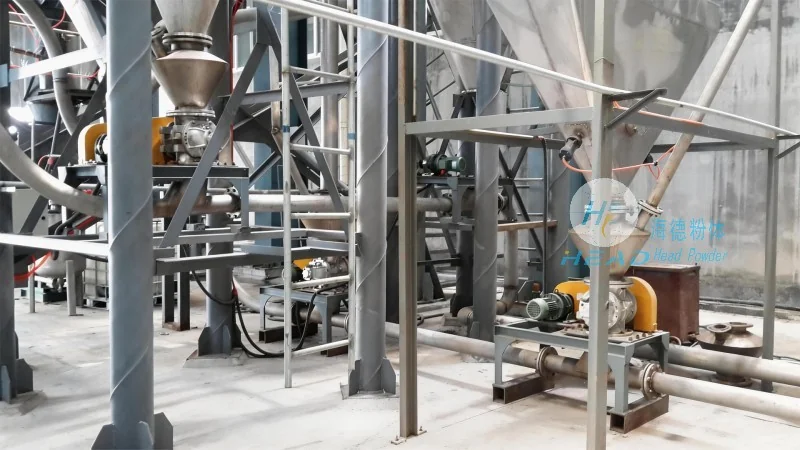
Implementing HeadPowder's sintered dust conveying systems offers numerous benefits for industrial operations. The enclosed pneumatic design reduces dust exposure, improving workplace safety and compliance with environmental regulations. By minimizing dust emissions, the systems help maintain a clean and healthy working environment, reducing the risk of respiratory issues among workers. Additionally, the efficient transport of dust particles reduces material loss and improves overall material recovery rates, leading to cost savings and increased productivity. The systems also require less maintenance compared to traditional mechanical conveyors, as they have fewer moving parts and are less prone to clogging. This results in lower operational costs and increased system uptime, contributing to improved overall efficiency.
Conclusion and Contact Information
For businesses seeking reliable and efficient solutions for sintered dust handling, Shandong HeadPowder Engineering Co., Ltd. provides expert guidance and customized pneumatic conveying systems. The company's commitment to quality, safety, and innovation ensures that clients receive systems that meet their specific needs while adhering to industry standards. With a focus on minimizing dust exposure and maximizing operational efficiency, HeadPowder's solutions are ideal for industries where sintered dust transport is critical. For more information or to discuss your specific requirements, please contact HeadPowder at their address in Shandong, China.

 Công ty TNHH Kỹ thuật Công trình Bột Hải Đức Sơn Đông
 156-6277-7102(Quản lý Trương)
  0531-83386006
  Quận Chương Khâu, Thành phố Tế Nam, Tỉnh Sơn Đông, Trung Quốc
Điện thoại
WeChatTư vấn
Lên đầu