Công ty Hải Đức Bột với hơn 10 năm kinh nghiệm vận chuyển khí, cung cấp hệ thống‑thiết bị‑quạt gió và nhận dự án tổng thầu bột cả nước
Activated carbon powder is a critical material in various industrial applications, including water treatment, air purification, and chemical processing. However, the efficient and safe transportation of this fine powder presents unique challenges due to its properties such as dustiness, electrostatic charge, and tendency to agglomerate. Traditional conveying methods may struggle to handle these characteristics effectively, leading to operational inefficiencies and safety hazards. This article explores common activated carbon powder conveying methods, with a focus on the advantages and applications of pneumatic conveying systems.
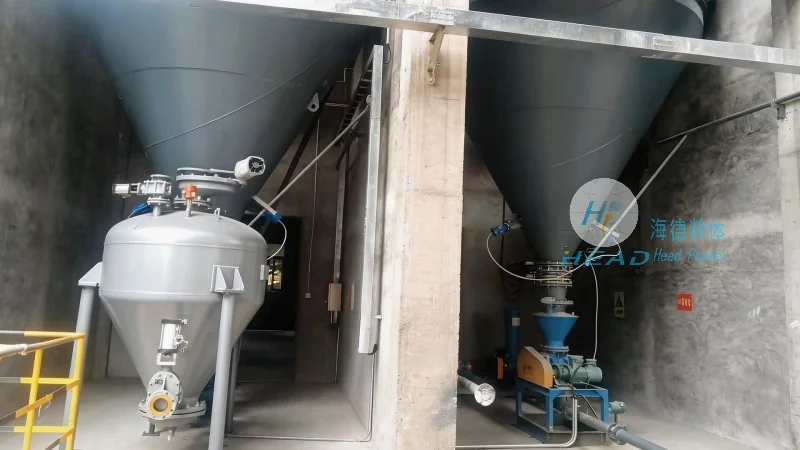
Overview of Conveying Challenges for Activated Carbon Powder
Before delving into specific conveying methods, it is essential to understand the challenges associated with activated carbon powder. Unlike bulk solids, activated carbon is a fine, dry powder that can generate significant dust during handling. This dust not only poses health risks to workers but also can lead to equipment clogging and reduced efficiency. Additionally, the powder often carries static electricity, which can cause it to adhere to surfaces or create sparks, increasing the risk of fire or explosion in certain environments. Furthermore, activated carbon has a tendency to form agglomerates or clumps, especially when exposed to moisture or high temperatures, making it difficult to move through conventional conveying systems without breaking them down.
Common Conveying Methods for Activated Carbon Powder
Several methods are commonly used to transport activated carbon powder, each with its own set of advantages and limitations. The choice of method depends on factors such as the volume of material, the distance to be conveyed, the required speed, and the specific properties of the powder. The primary categories include mechanical conveying, gravity-based systems, and pneumatic conveying.
1. Mechanical Conveying Systems
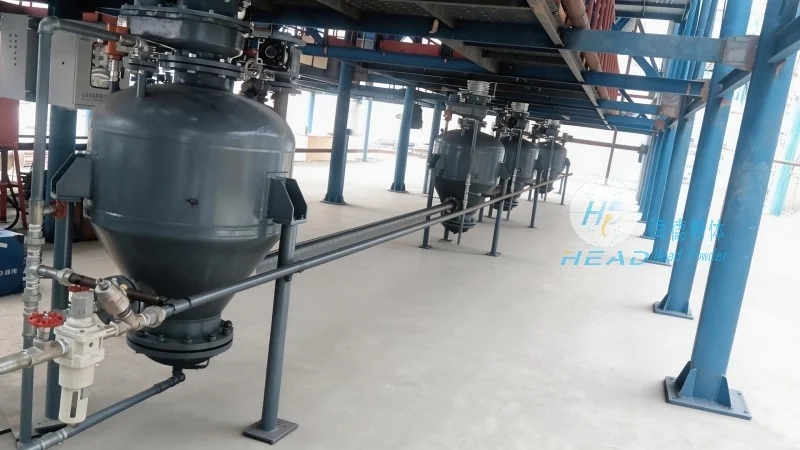
Mechanical conveying involves the use of equipment like belt conveyors, screw conveyors, and bucket elevators to move the powder. Belt conveyors are widely used for horizontal or slightly inclined transport, providing a continuous and reliable method for moving bulk materials. Screw conveyors, also known as augers, are effective for vertical or inclined transport, as they can handle powders with moderate moisture content and prevent material from falling back. However, mechanical systems have limitations when dealing with fine, dusty powders. The moving parts can generate significant friction and heat, which may affect the quality of the activated carbon. Moreover, the risk of dust leakage and contamination is higher compared to enclosed systems.
2. Gravity Conveying Systems
Gravity conveying systems utilize the natural force of gravity to move the powder from a higher to a lower level. This method is simple and cost-effective for short vertical distances, such as from a storage silo to a processing unit. Chutes and hoppers are commonly used in gravity systems, allowing the powder to flow freely under the influence of gravity. While gravity conveying is low-maintenance and energy-efficient, it is not suitable for long distances or horizontal transport. The flow rate is also dependent on the angle of the chute and the properties of the powder, making it less versatile for varying production demands.
3. Pneumatic Conveying Systems
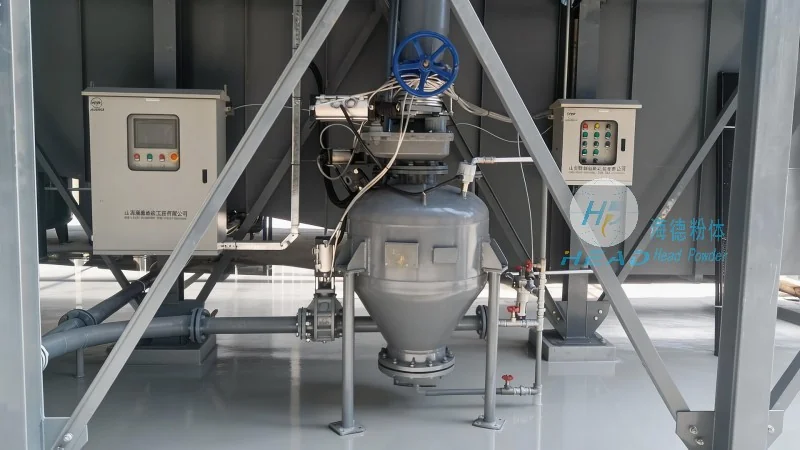
Pneumatic conveying, also known as air conveying, is a method that uses compressed air to transport the powder through a pipeline. This technique offers several advantages over mechanical and gravity systems, making it particularly suitable for activated carbon powder. The primary benefits include the ability to handle fine, dusty powders without the need for mechanical contact, thus minimizing the risk of contamination and degradation. Pneumatic systems are also effective in preventing dust emissions, as the entire process is enclosed within the pipeline. Additionally, they can transport materials over long distances and at high speeds, improving overall operational efficiency. There are two main types of pneumatic conveying: dilute-phase and dense-phase.
3.1 Dilute-Phase Pneumatic Conveying
Dilute-phase systems operate at high air velocities, typically between 20 to 40 meters per second, and transport the powder in a dispersed state. The powder particles are suspended in the air stream, allowing for efficient movement through the pipeline. This method is ideal for short to medium distances and is commonly used in applications where the powder needs to be mixed with other materials or transferred to a processing unit. The main advantage of dilute-phase conveying is its high capacity and speed, making it suitable for high-volume production lines. However, it requires higher air pressure and energy consumption compared to dense-phase systems.
3.2 Dense-Phase Pneumatic Conveying
Dense-phase systems operate at lower air velocities, typically between 5 to 15 meters per second, and transport the powder in a more concentrated state. The powder forms a plug or slurry within the pipeline, reducing the risk of segregation and ensuring a more uniform flow. This method is particularly effective for transporting activated carbon powder over long distances or when the material is prone to agglomeration. Dense-phase conveying also minimizes the risk of material degradation and maintains the quality of the powder. However, it requires more air pressure and may have lower capacity compared to dilute-phase systems.
Advantages of Pneumatic Conveying for Activated Carbon Powder
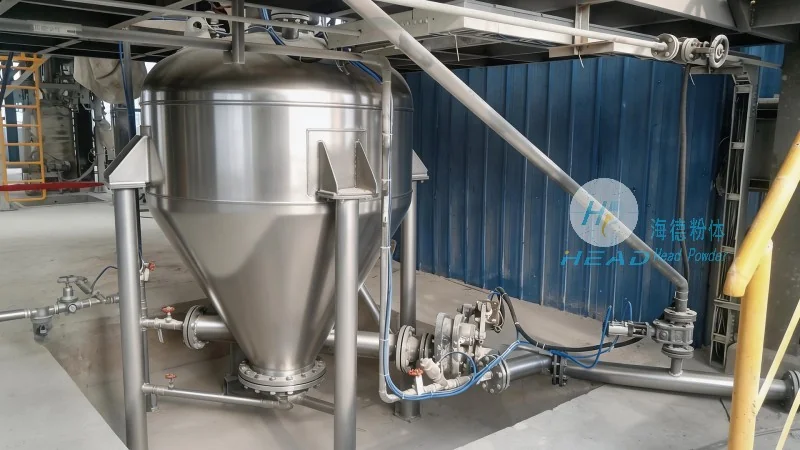
When considering the best conveying method for activated carbon powder, pneumatic systems, especially dense-phase, offer significant advantages. The enclosed pipeline design prevents dust from escaping into the environment, ensuring compliance with environmental regulations and protecting workers from inhalation hazards. The lack of mechanical contact reduces the risk of contamination, which is crucial for applications where the activated carbon is used in food, pharmaceutical, or water treatment industries. Additionally, pneumatic systems can handle the electrostatic charge of the powder by using grounding and anti-static measures, further enhancing safety. The ability to transport the powder at high speeds and over long distances improves production efficiency and reduces downtime, making it a preferred choice for many industrial applications.
HeadPowder: Expert in Activated Carbon Powder Conveying Solutions
Shandong HeadPowder Engineering Co., Ltd., a leading provider of activated carbon powder and related engineering solutions, specializes in designing and manufacturing pneumatic conveying systems tailored to the unique needs of activated carbon powder. With years of experience in the industry, HeadPowder understands the challenges associated with handling fine powders and has developed advanced solutions to address them. The company's expertise lies in customizing pneumatic systems to ensure efficient, safe, and reliable transport of activated carbon powder. By leveraging the latest technology and engineering knowledge, HeadPowder delivers high-quality conveying equipment that meets the stringent requirements of various industries.
Conclusion
In conclusion, the choice of conveying method for activated carbon powder depends on several factors, including the material properties, transport distance, and operational requirements. While mechanical and gravity systems have their uses, pneumatic conveying, particularly dense-phase, offers superior performance in terms of efficiency, safety, and environmental compliance. For industries relying on activated carbon powder, investing in a reliable pneumatic conveying system is essential to maintain productivity and ensure the quality of the final product. With its commitment to innovation and customer satisfaction, Shandong HeadPowder Engineering Co., Ltd. continues to provide cutting-edge solutions that meet the evolving needs of the activated carbon industry.

 Công ty TNHH Kỹ thuật Công trình Bột Hải Đức Sơn Đông
 156-6277-7102(Quản lý Trương)
  0531-83386006
  Quận Chương Khâu, Thành phố Tế Nam, Tỉnh Sơn Đông, Trung Quốc
Điện thoại
WeChatTư vấn
Lên đầu