Công ty Hải Đức Bột với hơn 10 năm kinh nghiệm vận chuyển khí, cung cấp hệ thống‑thiết bị‑quạt gió và nhận dự án tổng thầu bột cả nước
When it comes to handling and transporting dry flue gas desulfurization (FGD) ash, selecting the right conveying method is crucial for efficiency, cost-effectiveness, and environmental compliance. The dry FGD ash, a byproduct of power plants using flue gas desulfurization systems, requires specialized equipment to ensure safe and reliable transport from the ash handling system to disposal or utilization sites. This article provides an overview of common dry FGD ash conveying methods, with a focus on pneumatic conveying systems, and highlights the expertise of Shandong HeadPowder Engineering Co., Ltd. from China.
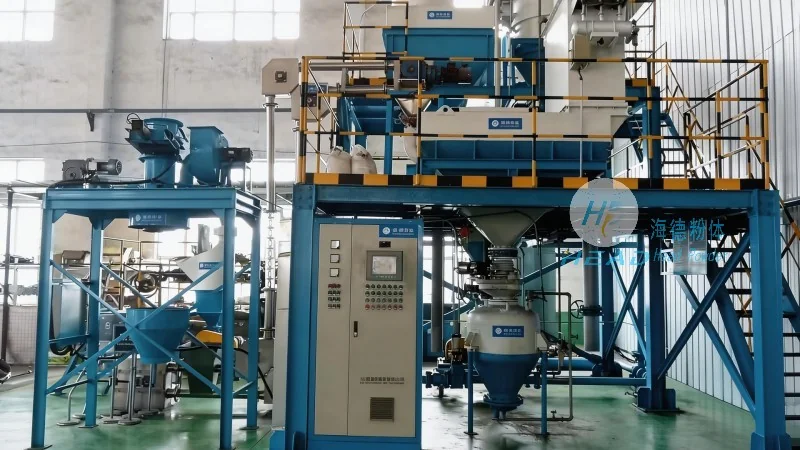
Understanding Dry FGD Ash and Its Handling Challenges
Dry FGD ash, also known as gypsum or calcium sulfate hemihydrate in some cases, is produced when sulfur dioxide (SO₂) in flue gas is removed through a chemical process. The ash is typically a fine, dry powder with specific properties that affect its handling. Challenges in conveying dry FGD ash include its dustiness, potential for caking, and the need for minimal moisture content to maintain its properties. These factors make traditional bulk material handling methods less suitable, prompting the adoption of advanced systems like pneumatic conveying.
Common Dry FGD Ash Conveying Methods
There are several methods used for transporting dry FGD ash, each with its own advantages and limitations. The primary methods include:
Pneumatic Conveying: This method uses air or other gases to transport the ash through a pipeline system. It can be further categorized into pressure and vacuum systems, offering flexibility in conveying distances and material characteristics.
Mechanical Conveying: This includes screw conveyors, belt conveyors, and bucket elevators. While effective for shorter distances, mechanical systems may struggle with fine, dusty materials and can be prone to clogging.
Hybrid Systems: Combining pneumatic and mechanical components to leverage the strengths of both approaches, such as using pneumatic transport for long distances and mechanical conveyors for final delivery.
Pneumatic Conveying for Dry FGD Ash: A Detailed Overview
Pneumatic conveying is widely regarded as the most effective method for transporting dry FGD ash due to its ability to handle fine powders, minimize dust emissions, and maintain material integrity. The system typically consists of a blower, a hopper for ash storage, and a pipeline network with appropriate valves and controls. There are two main types of pneumatic conveying systems:
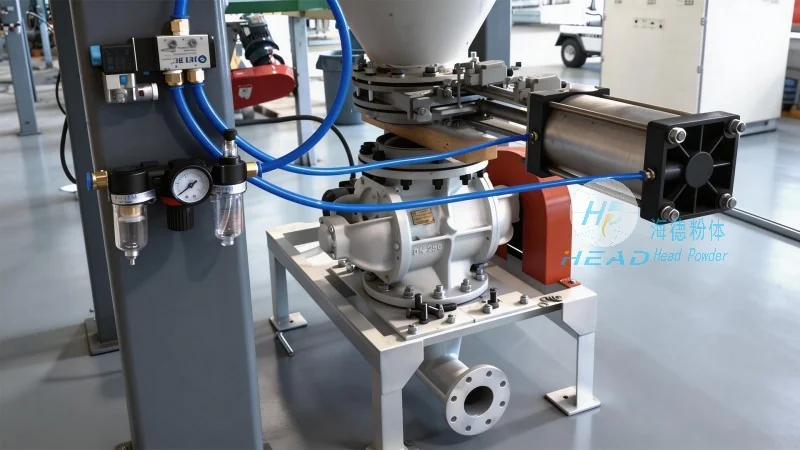
Pressure Pneumatic Conveying: In this system, the ash is fed into a pressurized pipeline where air or gas pushes the material forward. This method is suitable for conveying ash over long distances and can handle both dilute and dense phase flows.
Vacuum Pneumatic Conveying: Here, a vacuum is created at the receiving end, drawing the ash through the pipeline. This approach is ideal for shorter distances and when the ash needs to be transported from multiple sources to a central collection point.
Key Components of a Pneumatic Conveying System for Dry FGD Ash
For efficient operation, a pneumatic conveying system for dry FGD ash includes several critical components:
Air Blower or Fan: Provides the necessary pressure or vacuum to move the ash through the pipeline. The choice of blower depends on the system's capacity and the material's properties.
Ash Hopper and Feeder: The hopper stores the dry FGD ash, and the feeder regulates the flow rate into the pipeline, ensuring consistent and controlled transport.
Pipeline System: High-quality, corrosion-resistant pipes are used to transport the ash, with appropriate bends, valves, and filters to prevent blockages and maintain system efficiency.
Receiver and Discharge Equipment: The receiving hopper collects the ash at the destination, with discharge mechanisms like rotary valves or screw conveyors to transfer it to storage or disposal areas.
Advantages of Pneumatic Conveying for Dry FGD Ash
Implementing pneumatic conveying systems for dry FGD ash offers several benefits:
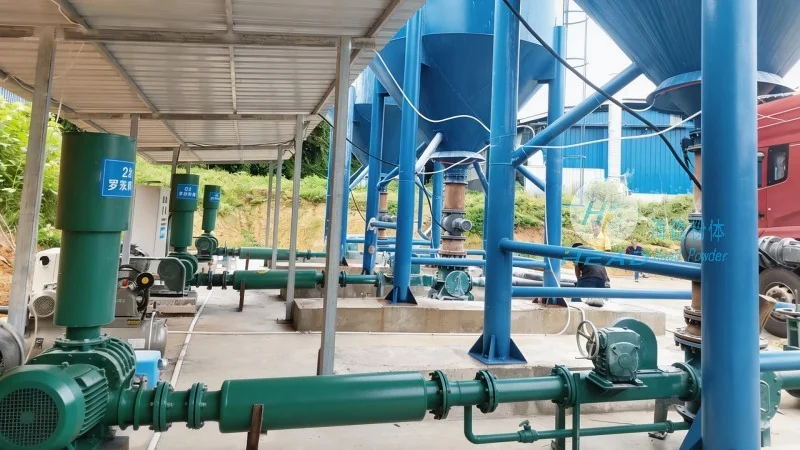
Efficiency and Flexibility: Pneumatic systems can transport ash over long distances and through complex layouts, adapting to changes in plant operations.
Reduced Dust and Environmental Impact: Enclosed pipelines minimize dust emissions, improving workplace safety and compliance with environmental regulations.
Cost-Effective for Long Distances: Compared to mechanical systems, pneumatic conveying can be more economical for transporting ash over extended distances, reducing the need for multiple transfer points.
Minimal Maintenance: Properly designed pneumatic systems have fewer moving parts compared to mechanical conveyors, leading to lower maintenance costs and longer equipment lifespan.
Case Study: Successful Implementation by Shandong HeadPowder Engineering Co., Ltd.
Shandong HeadPowder Engineering Co., Ltd., based in China, has extensive experience in designing and implementing pneumatic conveying systems for dry FGD ash. The company's expertise lies in customizing solutions to meet specific plant requirements, ensuring optimal performance and reliability. For instance, a project for a thermal power plant involved the design of a pressure pneumatic conveying system to transport dry FGD ash from the ash handling system to a nearby disposal site over a distance of 2 kilometers. The system, equipped with high-efficiency air blowers and corrosion-resistant pipelines, successfully maintained ash flow rates while minimizing dust emissions, demonstrating the effectiveness of pneumatic conveying in real-world applications.
Conclusion and Recommendations
When selecting a dry FGD ash conveying method, the choice depends on factors such as the plant's layout, conveying distance, material characteristics, and budget. Pneumatic conveying, particularly pressure systems, is often the preferred option for long-distance transport due to its efficiency, flexibility, and environmental benefits. For power plants seeking reliable and cost-effective solutions, partnering with experienced engineering firms like Shandong HeadPowder Engineering Co., Ltd. can ensure the successful implementation of pneumatic conveying systems tailored to their specific needs. By leveraging advanced technology and expert design, these systems can enhance operational efficiency, reduce maintenance costs, and contribute to a safer, more sustainable ash handling process.

 Công ty TNHH Kỹ thuật Công trình Bột Hải Đức Sơn Đông
 156-6277-7102(Quản lý Trương)
  0531-83386006
  Quận Chương Khâu, Thành phố Tế Nam, Tỉnh Sơn Đông, Trung Quốc
Điện thoại
WeChatTư vấn
Lên đầu