Công ty Hải Đức Bột với hơn 10 năm kinh nghiệm vận chuyển khí, cung cấp hệ thống‑thiết bị‑quạt gió và nhận dự án tổng thầu bột cả nước
Alumina crystals, a key raw material in various industrial applications, require efficient and reliable transport systems to ensure smooth production processes. The choice of conveying method significantly impacts operational efficiency, material integrity, and overall cost-effectiveness. This article explores common methods for transporting alumina crystals, with a particular focus on pneumatic conveying, a widely adopted technique in the industry.
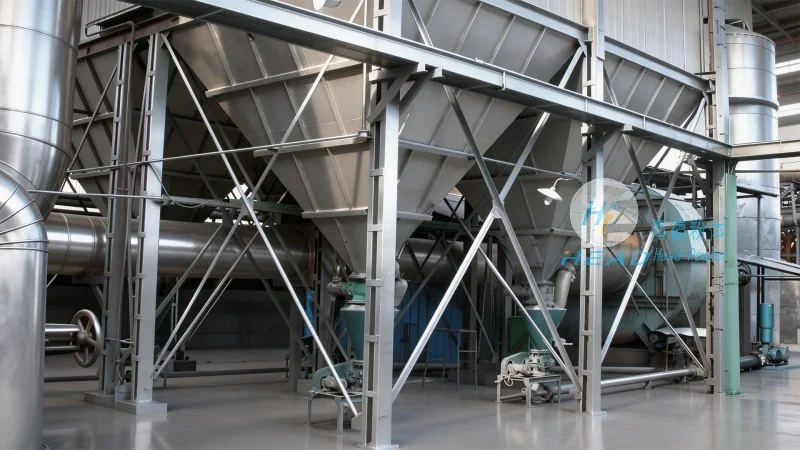
Pneumatic Conveying: A Preferred Method for Alumina Crystal Transport
Pneumatic conveying, also known as air-pneumatic transport, utilizes compressed air to move alumina crystals through a pipeline system. This method offers several advantages, including the ability to handle fine powders and crystals without mechanical contact, which helps maintain product quality and reduces wear on equipment. The system typically consists of a hopper, a rotary valve, a conveying line, and a receiver. The alumina crystals are fed into the hopper, then discharged through the rotary valve into the conveying line, where compressed air propels the material to the destination. This process is often preferred for its flexibility, as it can be easily adapted to different plant layouts and production scales.
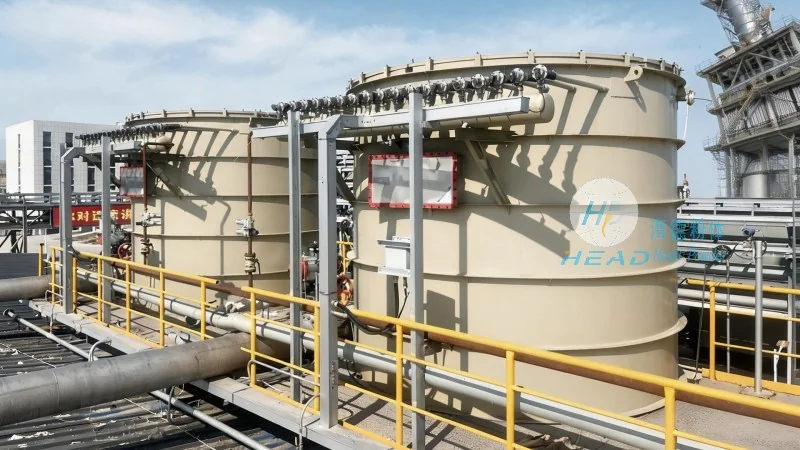
Advantages of Pneumatic Conveying for Alumina Crystals
One of the primary benefits of pneumatic conveying is its ability to handle both fine and coarse alumina crystals without the need for additional equipment like screw conveyors or belt conveyors. This reduces the risk of material degradation and contamination, which is crucial for applications where purity is essential, such as in the production of high-purity alumina for ceramics or refractory materials. Additionally, pneumatic systems can be designed to operate in both positive and negative pressure modes, providing flexibility in material transfer between different levels and locations within a facility. The low maintenance requirements and the ability to integrate with existing production lines further enhance the appeal of pneumatic conveying for alumina crystal transport.
Key Components of a Pneumatic Conveying System for Alumina Crystals
A well-designed pneumatic conveying system for alumina crystals includes several critical components. The hopper serves as the storage and feeding unit, ensuring a consistent supply of material to the system. The rotary valve acts as a controlled discharge mechanism, preventing backflow and maintaining a steady flow rate. The conveying line, usually made of stainless steel or other corrosion-resistant materials, is designed to withstand the abrasive nature of alumina crystals and the pressure of the compressed air. The receiver, where the material is deposited, is equipped with a dust collection system to minimize environmental impact and ensure compliance with industrial regulations. Each component is carefully selected and sized to optimize the system's performance and longevity.
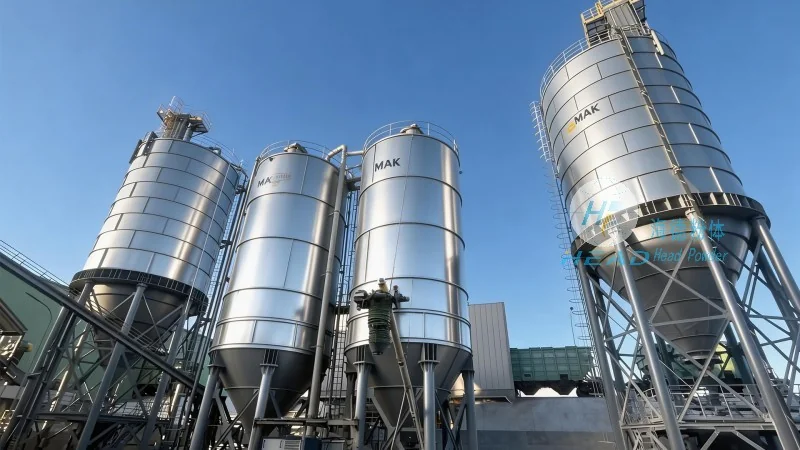
Considerations for Implementing Pneumatic Conveying in Alumina Crystal Production
When implementing a pneumatic conveying system for alumina crystals, several factors must be considered to ensure optimal performance. The first is the material's characteristics, such as particle size, density, and moisture content, as these affect the conveying velocity and system pressure requirements. The second is the system's capacity, which must be matched to the production rate to avoid bottlenecks or excessive energy consumption. The third is the layout of the facility, as the conveying line must be designed to navigate obstacles and maintain a smooth flow path. Additionally, the system should be equipped with monitoring and control devices to detect and address issues like blockages or pressure drops promptly. Proper maintenance, including regular cleaning and inspection of components, is also essential to prolong the system's lifespan and maintain operational efficiency.
Comparison with Other Conveying Methods
While pneumatic conveying is widely used for alumina crystals, other methods like mechanical conveyors (e.g., screw conveyors, belt conveyors) are also employed in some applications. Mechanical conveyors are generally more suitable for bulk materials with larger particle sizes and lower moisture content. However, they may not be as effective for fine alumina crystals, as the risk of material degradation and blockages is higher. In contrast, pneumatic conveying excels in handling fine powders and crystals, making it the preferred choice for high-purity applications. The choice between pneumatic and mechanical conveying ultimately depends on the specific requirements of the production process, including material characteristics, production scale, and operational constraints.

 Công ty TNHH Kỹ thuật Công trình Bột Hải Đức Sơn Đông
 156-6277-7102(Quản lý Trương)
  0531-83386006
  Quận Chương Khâu, Thành phố Tế Nam, Tỉnh Sơn Đông, Trung Quốc
Điện thoại
WeChatTư vấn
Lên đầu