Công ty Hải Đức Bột với hơn 10 năm kinh nghiệm vận chuyển khí, cung cấp hệ thống‑thiết bị‑quạt gió và nhận dự án tổng thầu bột cả nước
When it comes to transporting stone powder efficiently and safely, pneumatic conveying systems have emerged as a reliable solution in industrial applications. These systems utilize air to move bulk materials like stone powder through pipelines, offering advantages such as reduced dust generation, improved material handling, and enhanced process control. For businesses dealing with stone powder, selecting and designing an appropriate pneumatic conveying system is crucial for operational efficiency and cost-effectiveness.
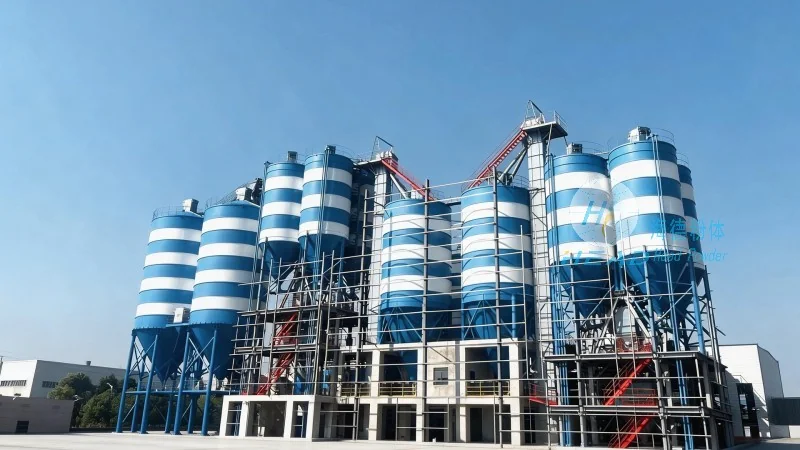
Key Considerations in System Design
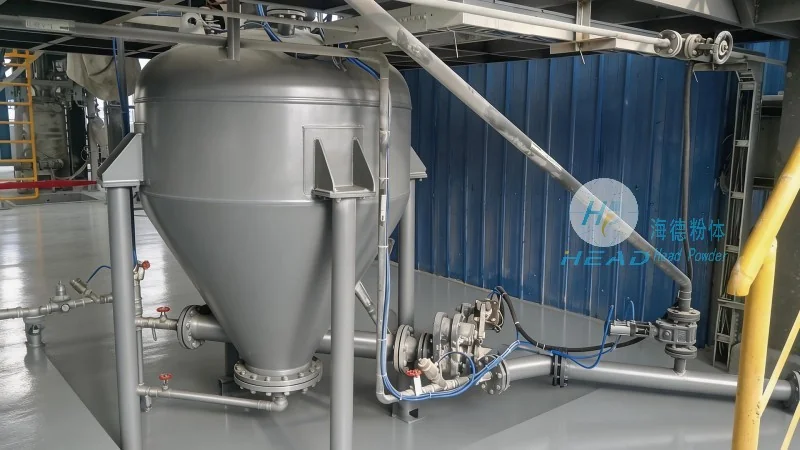
Designing a pneumatic conveying system for stone powder requires careful consideration of several factors to ensure optimal performance. The first step involves assessing the material characteristics of the stone powder, including particle size distribution, moisture content, and flowability. These properties directly impact the system's design, as different materials may require specific air velocities, pipeline diameters, and pressure levels. Additionally, the system's capacity needs to be matched with the production requirements, ensuring that the conveying rate aligns with the material throughput. Other critical considerations include the system's layout, including the number of transfer points, the length and diameter of pipelines, and the type of air supply equipment. Properly addressing these factors helps in avoiding issues such as material buildup, blockages, or excessive energy consumption.
Components of a Stone Powder Pneumatic Conveying System
A typical stone powder pneumatic conveying system consists of several key components that work together to achieve efficient material transport. The primary components include the material feed hopper, which holds the stone powder and feeds it into the system; the air supply unit, which generates the necessary air pressure and flow; the conveying pipeline, which transports the material; and the discharge unit, which delivers the stone powder to the destination. Each component plays a vital role in the overall system performance. The feed hopper is designed to handle the bulk material and ensure a consistent flow into the system, often equipped with features like level sensors and flow control valves. The air supply unit, typically a blower or compressor, provides the motive force to move the material through the pipeline. The conveying pipeline is constructed from materials resistant to the stone powder's properties, such as stainless steel or special coatings, to prevent corrosion and material buildup. The discharge unit, which may include a receiver or silo, collects the transported stone powder and prepares it for further processing or storage.
Design Process and Technical Specifications
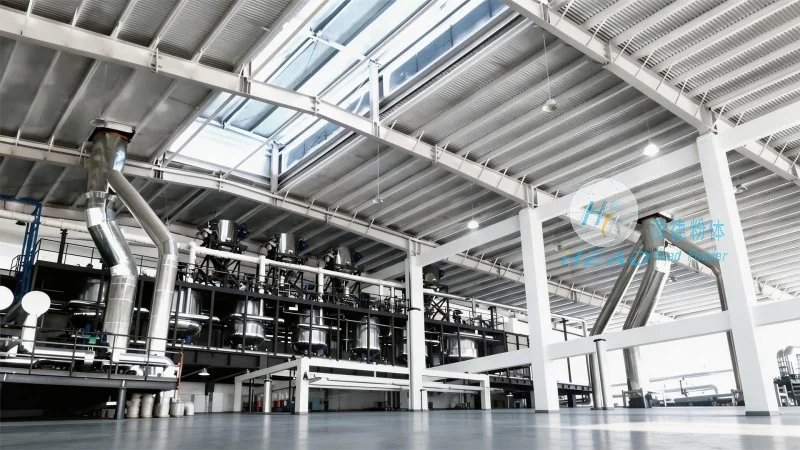
The design process for a stone powder pneumatic conveying system involves a systematic approach to ensure that all technical specifications are met. The initial step is to gather detailed information about the material characteristics and the system's operational requirements. This includes determining the required conveying capacity, the distance the material needs to travel, and the desired air pressure. Engineers then use this data to calculate the necessary air velocity and pipeline diameter. For example, the air velocity should be high enough to prevent material settling but low enough to avoid excessive pressure drop and energy consumption. The pipeline diameter is determined based on the material's flow rate and the required air velocity, ensuring that the system can handle the expected throughput without causing blockages. Additionally, the system's layout is optimized to minimize the number of bends and changes in direction, as these can cause pressure losses and material deposition. The design also considers the system's energy efficiency, with options like variable speed drives and energy recovery systems to reduce operational costs. By following a structured design process, engineers can develop a system that meets the specific needs of the stone powder application while ensuring long-term reliability and performance.
Benefits of an Optimized Pneumatic Conveying System
Implementing an optimized pneumatic conveying system for stone powder offers numerous benefits that enhance operational efficiency and product quality. One of the key advantages is the reduction in dust generation, which improves workplace safety and compliance with environmental regulations. Unlike traditional methods like bucket elevators or belt conveyors, pneumatic systems minimize the release of fine particles, creating a cleaner working environment. Another benefit is the improved material handling, as the system can transport stone powder without the need for manual handling or additional equipment. This not only increases productivity but also reduces the risk of material contamination. Additionally, the system's ability to handle a wide range of particle sizes and moisture content makes it versatile for various applications. The controlled flow of material also ensures consistent product quality, which is crucial for downstream processes such as mixing or packaging. Furthermore, the system's compact design allows for easier integration into existing facilities, reducing the need for extensive modifications. By leveraging these benefits, businesses can achieve higher operational efficiency, lower maintenance costs, and improved overall performance.
Case Study: Successful Implementation by Shandong HeadPowder Engineering Co., Ltd.
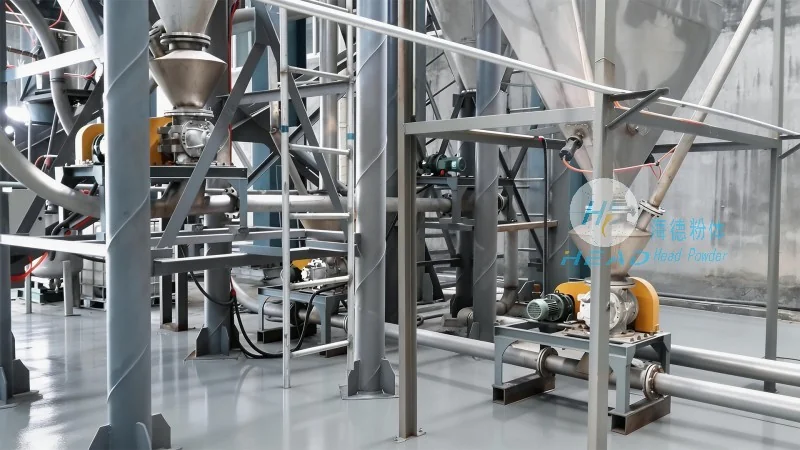
Shandong HeadPowder Engineering Co., Ltd., a leading provider of pneumatic conveying solutions, has successfully implemented a stone powder pneumatic conveying system for a client in the construction materials industry. The client required a system to transport stone powder from a storage silo to a processing plant over a distance of 200 meters. The system was designed to handle a capacity of 10 tons per hour, with a particle size range of 0.1 to 2 millimeters. The design process involved detailed material analysis and calculations to determine the optimal air velocity and pipeline diameter. The system was equipped with a high-efficiency blower, stainless steel pipelines, and a receiver with level sensors. The implementation resulted in significant improvements in material handling efficiency, with reduced downtime and increased throughput. The client reported a 20% reduction in energy consumption compared to traditional methods, and the system's compact design allowed for seamless integration into the existing facility. This case study highlights the effectiveness of a well-designed pneumatic conveying system in meeting the specific needs of stone powder applications, demonstrating the expertise of Shandong HeadPowder Engineering Co., Ltd. in providing tailored solutions for industrial clients.

 Công ty TNHH Kỹ thuật Công trình Bột Hải Đức Sơn Đông
 156-6277-7102(Quản lý Trương)
  0531-83386006
  Quận Chương Khâu, Thành phố Tế Nam, Tỉnh Sơn Đông, Trung Quốc
Điện thoại
WeChatTư vấn
Lên đầu