Công ty Hải Đức Bột với hơn 10 năm kinh nghiệm vận chuyển khí, cung cấp hệ thống‑thiết bị‑quạt gió và nhận dự án tổng thầu bột cả nước
Gas-pneumatic conveying technology has emerged as a pivotal solution for the efficient and environmentally sustainable handling of industrial residues, particularly in sectors dealing with chemical byproducts like furfural. The process involves transporting bulk materials through a pipeline system using air or other gas streams, offering a non-contact method that minimizes material degradation and reduces the risk of contamination. For industries processing furfural, a key intermediate in the production of furfural-based chemicals, the management of furfural residue is critical. This residue, often characterized by its fine particulate nature and potential environmental impact, requires specialized handling to ensure compliance with regulatory standards and operational efficiency.
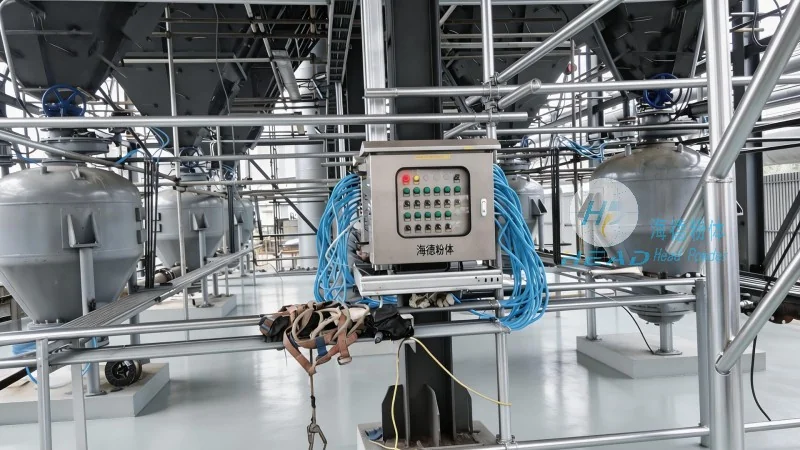
Understanding Furfural Residue and Its Handling Challenges
Furfural, derived from agricultural byproducts such as corn cobs or wheat bran, is widely used in the chemical industry for producing solvents, resins, and other derivatives. The residue generated during furfural production is typically a fine, dusty material that poses unique challenges for traditional bulk material transport methods. Conventional systems like belt conveyors or screw conveyors may struggle with dust accumulation, material bridging, and increased maintenance costs due to the abrasive nature of the residue. Additionally, the environmental concerns associated with dust emissions and the need for dust control measures make traditional methods less attractive for modern industrial operations.
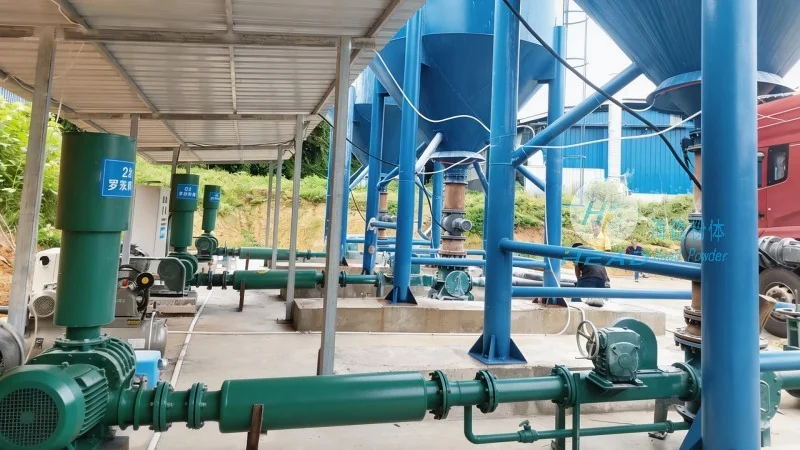
HeadPowder's Gas-Pneumatic Conveying Solutions for Furfural Residue
Shandong HeadPowder Engineering Co., Ltd., a leading provider of advanced material handling systems, specializes in developing customized gas-pneumatic conveying solutions tailored to the specific needs of furfural residue management. The company's approach integrates cutting-edge technology with practical engineering to address the challenges posed by this industrial waste stream. By leveraging positive or negative pressure systems, HeadPowder's solutions ensure reliable and continuous transport of furfural residue from production sites to disposal or processing facilities. The technology not only enhances operational efficiency but also minimizes environmental impact by reducing dust emissions and improving material containment.
Key Advantages of Gas-Pneumatic Conveying for Furfural Residue
Compared to traditional bulk transport methods, gas-pneumatic conveying offers several distinct advantages for handling furfural residue. First, it provides a dust-free environment, which is crucial for maintaining air quality and ensuring worker safety in industrial settings. The enclosed pipeline system prevents dust from escaping into the atmosphere, reducing the risk of respiratory issues and environmental contamination. Second, the system is highly efficient in terms of energy consumption and operational costs. By using air as the conveying medium, the process minimizes mechanical wear and tear on equipment, leading to lower maintenance expenses and longer equipment lifespan. Third, the flexibility of gas-pneumatic systems allows for easy integration with existing production lines and the ability to transport materials over long distances without the need for intermediate storage or transfer points.
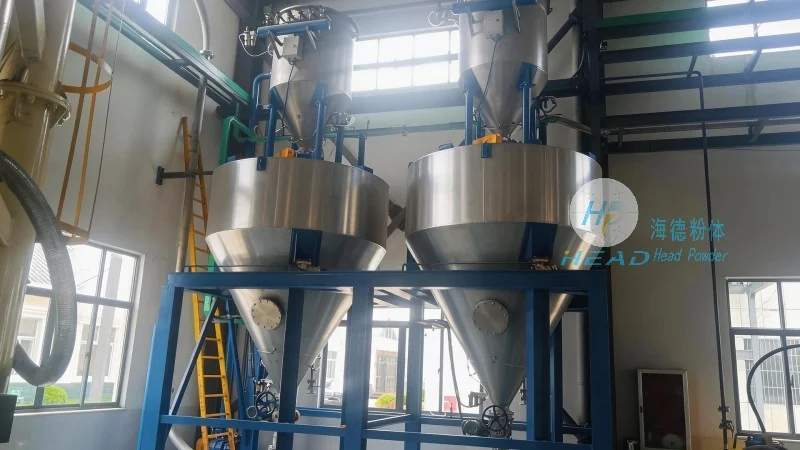
Customization and Scalability: Tailored Solutions for Diverse Applications
HeadPowder recognizes that each furfural production facility has unique operational requirements and residue characteristics. Therefore, the company offers customized gas-pneumatic conveying systems that can be scaled to meet the specific needs of individual clients. Whether dealing with small-scale residue production or large industrial operations, HeadPowder's solutions are designed to be adaptable and efficient. The engineering team at HeadPowder works closely with clients to assess their material properties, production volumes, and environmental regulations to develop a system that optimizes performance while ensuring compliance. This customized approach ensures that the conveying system is not only effective but also cost-effective and sustainable in the long term.
Environmental and Operational Benefits
The adoption of gas-pneumatic conveying for furfural residue management brings significant environmental and operational benefits. From an environmental perspective, the system reduces dust emissions, which is essential for meeting stringent air quality standards and minimizing the impact on local ecosystems. By containing the residue within the pipeline system, the technology also reduces the risk of soil contamination and water pollution from dust runoff. Operationally, the system enhances productivity by enabling continuous, unattended operation, which is particularly valuable in 24/7 production environments. The reliability of gas-pneumatic systems ensures minimal downtime, allowing furfural production facilities to maintain consistent output levels and meet market demands efficiently.
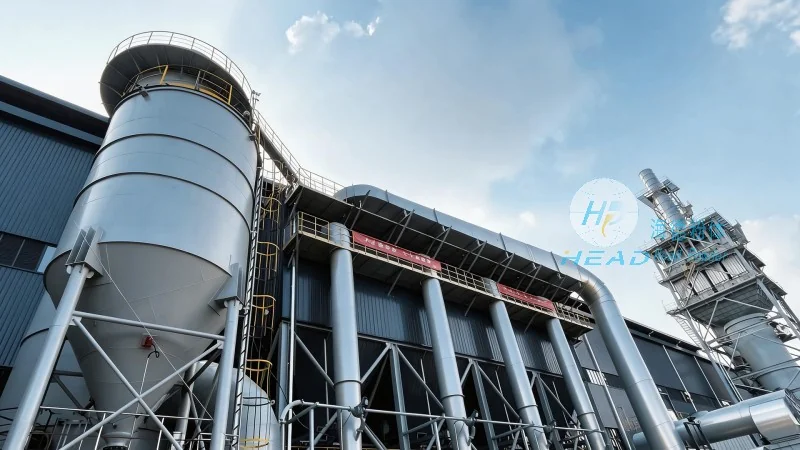
Conclusion: A Sustainable Future for Furfural Residue Handling
For industries relying on furfural production, the effective management of residue is a critical factor in maintaining operational efficiency and environmental responsibility. HeadPowder's gas-pneumatic conveying solutions provide a forward-thinking approach to this challenge, combining advanced technology with practical engineering to deliver sustainable and efficient material handling. By choosing a system that minimizes environmental impact while maximizing operational performance, furfural producers can ensure long-term success in a competitive market. As the demand for sustainable industrial practices grows, the adoption of such advanced conveying technologies will play a vital role in shaping the future of material handling in the chemical industry.

 Công ty TNHH Kỹ thuật Công trình Bột Hải Đức Sơn Đông
 156-6277-7102(Quản lý Trương)
  0531-83386006
  Quận Chương Khâu, Thành phố Tế Nam, Tỉnh Sơn Đông, Trung Quốc
Điện thoại
WeChatTư vấn
Lên đầu