Công ty Hải Đức Bột với hơn 10 năm kinh nghiệm vận chuyển khí, cung cấp hệ thống‑thiết bị‑quạt gió và nhận dự án tổng thầu bột cả nước
When it comes to managing the transportation of PTA (para-xylene terephthalic acid) in industrial settings, selecting the appropriate pneumatic conveying system is crucial for efficiency, safety, and cost-effectiveness. PTA is a key raw material in the production of polyester fibers and resins, and its handling requires specialized equipment that can handle the material's properties effectively. This guide outlines the key considerations and steps to ensure you select the right pneumatic conveying system for your PTA processing facility.
Understanding the Importance of PTA Handling Systems
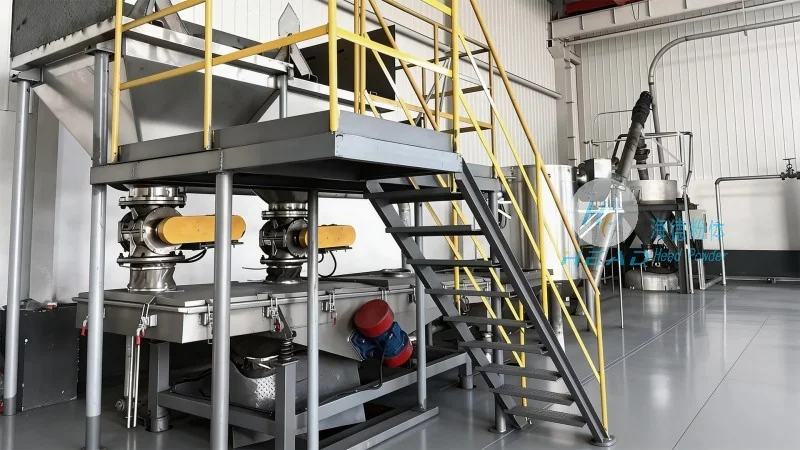
PTA is a fine, abrasive, and sometimes hygroscopic material that can pose challenges during transportation. Traditional methods like belt conveyors or bucket elevators may not be suitable due to the risk of material degradation, dust generation, or equipment wear. Pneumatic conveying systems offer a solution by using air to transport PTA particles through a pipeline, minimizing contact with equipment and reducing the risk of contamination. This method is particularly effective for handling PTA in bulk quantities, ensuring a smooth and continuous flow from storage to processing units.
Key Factors to Consider When Choosing a PTA Pneumatic Conveying System
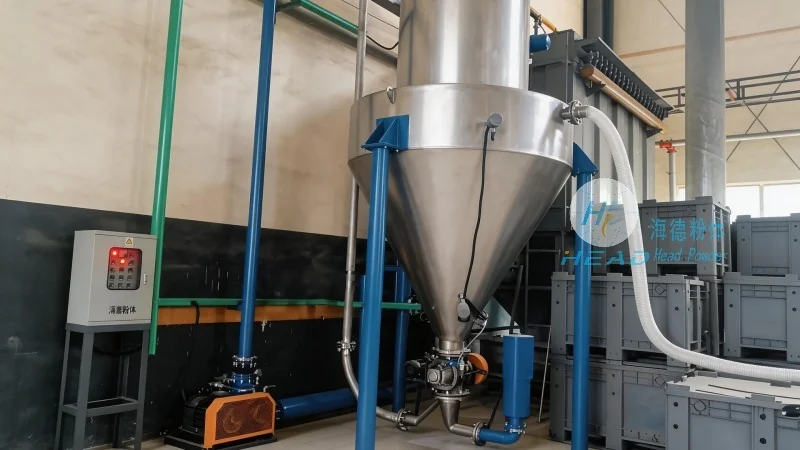
Choosing the right pneumatic conveying system for PTA involves evaluating several critical factors to match the system's capabilities with the specific needs of your operation. The primary considerations include:
1. **Material Characteristics**: PTA's particle size, density, and flowability are key. Fine particles may require systems with higher air velocities or specialized hopper designs to prevent clogging. The material's abrasiveness also impacts the choice of pipeline materials and components.
2. **Transport Distance and Capacity**: The distance between the PTA storage and processing areas, as well as the required throughput, determine the system type. For long-distance transport, positive pressure systems are often preferred due to their ability to maintain consistent pressure and flow. Shorter distances may allow for negative pressure or mixed systems, which can be more cost-effective for certain applications.
3. **Environmental and Safety Requirements**: PTA is a dust explosion hazard in some conditions. Therefore, the system must comply with safety standards, such as explosion-proof designs and dust collection systems. The choice of system can also impact the overall environmental footprint, including energy consumption and emissions.
4. **System Integration and Scalability**: The ability to integrate the pneumatic conveying system with existing plant infrastructure and the potential for future expansion are important. A well-designed system should be modular and adaptable to changes in production volume or process requirements.
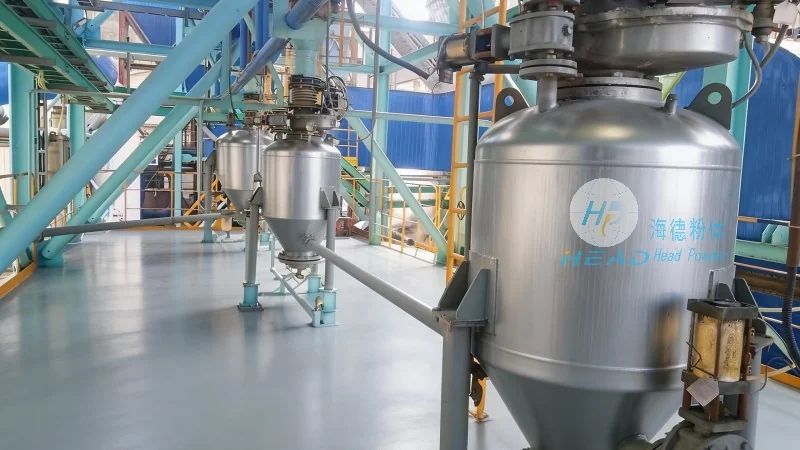
Types of Pneumatic Conveying Systems for PTA
There are two main categories of pneumatic conveying systems: positive pressure and negative pressure. Each has distinct advantages and is suitable for different PTA handling scenarios.
**Positive Pressure Systems**: These systems use compressed air to push PTA particles through the pipeline. They are ideal for long-distance transport and high-capacity applications. Positive pressure systems are generally more reliable for PTA, as they maintain consistent pressure and can handle abrasive materials without excessive wear. They also allow for easier integration with other equipment, such as storage silos and processing units.
**Negative Pressure Systems**: Also known as vacuum systems, these use a vacuum to draw PTA particles into the pipeline. They are commonly used for short-distance transport and applications where dust control is a priority. Negative pressure systems are often more cost-effective for smaller-scale operations and can be integrated with dust collection systems to minimize environmental impact.
**Mixed Systems**: Some facilities may benefit from a combination of positive and negative pressure, where the system uses positive pressure for initial transport and negative pressure for final delivery. This approach can optimize energy use and system performance for complex PTA handling processes.
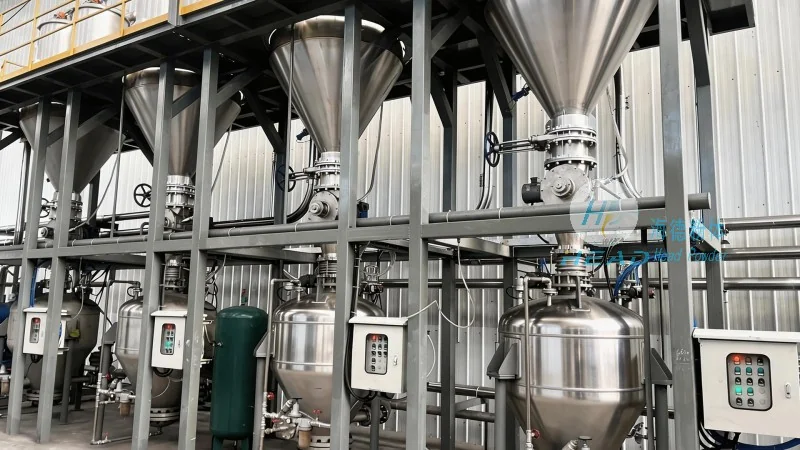
HeadPowder Engineering: Your Partner in PTA Pneumatic Conveying Solutions
Shandong HeadPowder Engineering Co., Ltd. specializes in providing customized pneumatic conveying systems tailored to the unique needs of PTA handling facilities. With years of experience in the industry, HeadPowder understands the challenges associated with PTA transportation and offers innovative solutions that enhance efficiency and safety.
Our team of engineers works closely with clients to assess their specific requirements, including material properties, transport distances, and operational constraints. We then design and manufacture a pneumatic conveying system that meets or exceeds industry standards, ensuring reliable and efficient PTA handling. Our systems are built with high-quality components, such as corrosion-resistant materials and advanced control systems, to withstand the demanding conditions of PTA processing.
HeadPowder's commitment to quality and customer satisfaction is reflected in our comprehensive after-sales support. We provide installation, commissioning, and maintenance services to ensure that your PTA pneumatic conveying system operates at peak performance for years to come. By choosing HeadPowder Engineering, you can be confident that your PTA handling process is in capable hands, with a focus on optimizing your operations and minimizing downtime.

 Công ty TNHH Kỹ thuật Công trình Bột Hải Đức Sơn Đông
 156-6277-7102(Quản lý Trương)
  0531-83386006
  Quận Chương Khâu, Thành phố Tế Nam, Tỉnh Sơn Đông, Trung Quốc
Điện thoại
WeChatTư vấn
Lên đầu