Công ty Hải Đức Bột với hơn 10 năm kinh nghiệm vận chuyển khí, cung cấp hệ thống‑thiết bị‑quạt gió và nhận dự án tổng thầu bột cả nước
When managing forage handling operations, selecting the appropriate pneumatic conveying system is crucial for efficiency, cost-effectiveness, and operational reliability. The right system can significantly enhance the flow of materials, reduce downtime, and improve overall productivity in agricultural and feed processing facilities. This guide aims to provide insights into the key factors and considerations that can help in making an informed decision when choosing a pneumatic conveying system tailored to your specific forage handling needs.
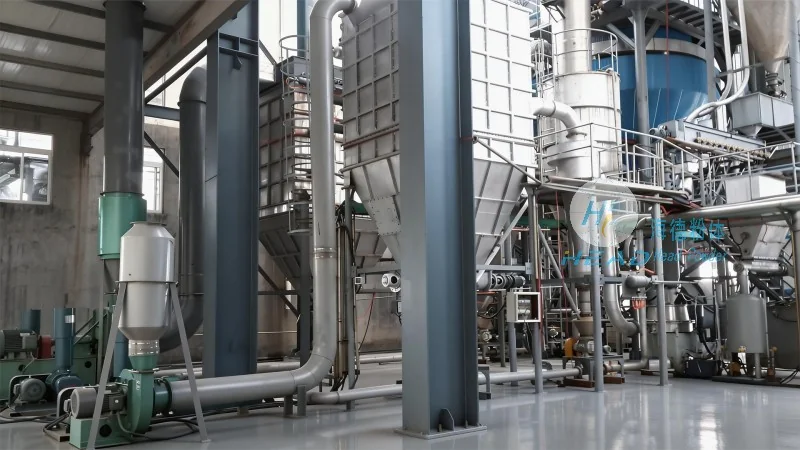
About Shandong HeadPowder Engineering Co., Ltd.
Shandong HeadPowder Engineering Co., Ltd., a leading manufacturer based in Shandong, China, specializes in the design, manufacturing, and supply of advanced pneumatic conveying systems. With years of experience in the industry, the company has built a reputation for delivering high-quality, reliable equipment that meets the diverse requirements of forage processing and agricultural applications. HeadPowder's commitment to innovation and customer satisfaction ensures that their systems are engineered to optimize material handling processes while maintaining durability and ease of maintenance.
Key Factors to Consider When Choosing a Pneumatic Conveying System
Several critical factors must be evaluated when selecting a pneumatic conveying system for forage handling. The first consideration is the type of material being conveyed, as different forages have varying properties such as moisture content, particle size, and density. These characteristics influence the choice between different conveying methods, such as pressure or vacuum systems. For example, pressure systems are often preferred for handling dry, free-flowing materials like corn or alfalfa, while vacuum systems may be more suitable for handling materials with higher moisture content or those that are more cohesive.
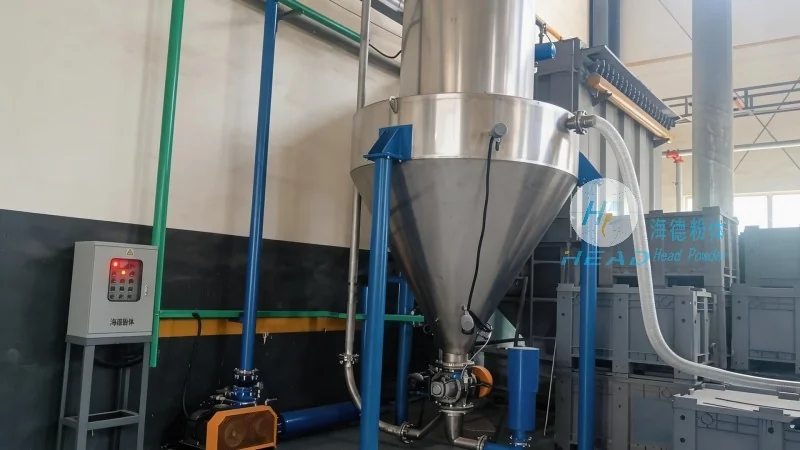
Another important factor is the system's capacity and flow rate requirements. The conveying system must be capable of handling the volume of forage needed to meet production demands without causing bottlenecks or excessive energy consumption. This involves assessing the throughput requirements and matching them with the appropriate system design, including the size of the conveying line, the number of inlets and outlets, and the power of the air compressor or vacuum pump.
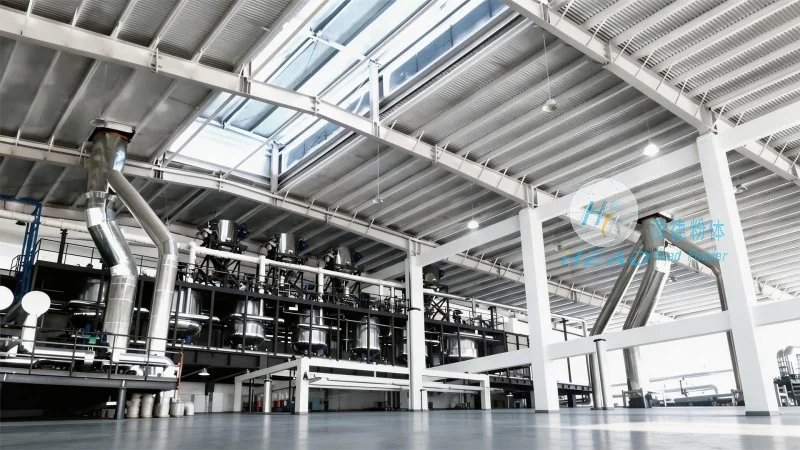
Energy efficiency is also a significant consideration. Modern pneumatic conveying systems are designed to minimize energy consumption while maintaining optimal performance. Factors such as the type of air compressor (reciprocating, rotary lobe, or screw), the pressure drop across the system, and the use of efficient air distribution components all contribute to overall energy savings. Forage handling operations, especially those with high-volume production, can benefit greatly from energy-efficient systems that reduce operational costs over time.
System reliability and maintenance are additional key aspects to evaluate. A well-designed pneumatic conveying system should be durable and require minimal maintenance to ensure continuous operation. This includes considering the materials used in the construction of the conveying line, such as stainless steel or high-grade plastic, which can resist corrosion and wear from the forage materials. Regular maintenance procedures, such as cleaning the system and checking for wear and tear, are essential to prolong the lifespan of the equipment and prevent costly breakdowns.
Customization and Integration with Existing Facilities
Forage handling facilities often have existing infrastructure and equipment that need to be integrated with the new pneumatic conveying system. Customization is therefore a critical factor in the selection process. Shandong HeadPowder Engineering Co., Ltd. offers tailored solutions that can be adapted to fit the specific layout and operational requirements of a facility. This may involve designing the system to connect with existing silos, storage bins, or processing equipment, ensuring seamless material flow and minimizing the need for additional modifications to the plant layout.
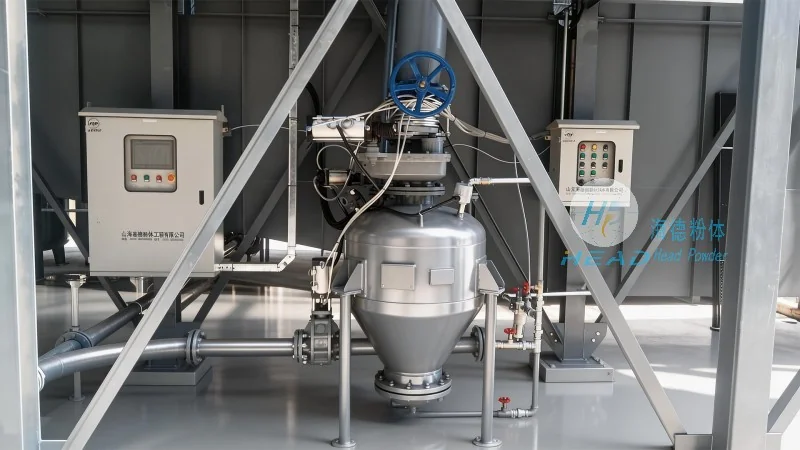
The integration of the pneumatic conveying system with other processes, such as grinding, mixing, or packaging, is another important consideration. A well-integrated system can enhance overall operational efficiency by streamlining the flow of materials from one stage to the next. For example, a pneumatic conveying system can be designed to transport forage directly from storage bins to a grinding unit, reducing the need for manual handling and improving safety in the workplace.
Conclusion and Recommendations
Choosing the right pneumatic conveying system for forage handling requires a thorough evaluation of material properties, operational requirements, energy efficiency, and system reliability. By considering these factors and working with a reputable manufacturer like Shandong HeadPowder Engineering Co., Ltd., forage handling operations can select a system that optimizes performance, reduces costs, and enhances overall productivity. The company's expertise in designing and manufacturing advanced pneumatic conveying systems ensures that customers receive solutions that are tailored to their specific needs, providing long-term benefits and operational success.

 Công ty TNHH Kỹ thuật Công trình Bột Hải Đức Sơn Đông
 156-6277-7102(Quản lý Trương)
  0531-83386006
  Quận Chương Khâu, Thành phố Tế Nam, Tỉnh Sơn Đông, Trung Quốc
Điện thoại
WeChatTư vấn
Lên đầu