Công ty Hải Đức Bột với hơn 10 năm kinh nghiệm vận chuyển khí, cung cấp hệ thống‑thiết bị‑quạt gió và nhận dự án tổng thầu bột cả nước
When it comes to managing waste handling processes efficiently, selecting the appropriate pneumatic conveying system is a critical decision that impacts operational performance, cost-effectiveness, and overall sustainability. For facilities dealing with various types of waste materials, from municipal solid waste to industrial byproducts, the right system can streamline material transport while minimizing downtime and maintenance costs. This guide aims to provide insights into the key factors and considerations that help in choosing the most suitable pneumatic conveying system for your specific waste handling needs.
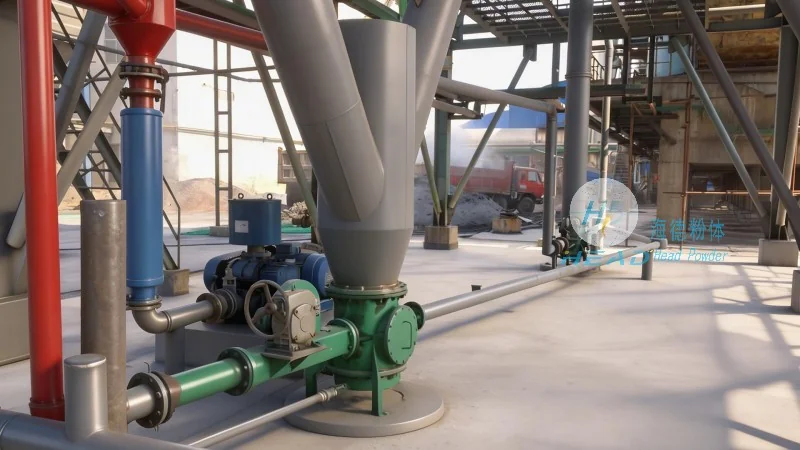
Understanding the Basics of Pneumatic Conveying Systems
Pneumatic conveying systems utilize air or other gases to transport bulk materials through a pipeline network. These systems are categorized into two main types: dilute phase and dense phase. Dilute phase systems, which use high velocities of air to move particles, are ideal for short distances and light materials. Dense phase systems, on the other hand, operate at lower velocities and higher pressure, making them suitable for longer distances and materials that are prone to degradation or segregation. Understanding these fundamental differences is the first step in selecting the right system for your waste handling application.
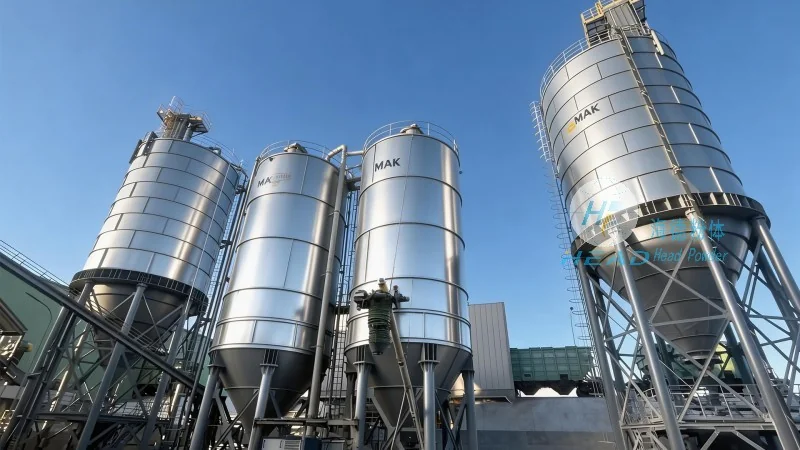
Key Factors to Consider in System Selection
Several critical factors must be evaluated when choosing a pneumatic conveying system for waste handling. First, the type and characteristics of the waste material play a significant role. Materials with high moisture content, abrasive properties, or varying particle sizes may require specialized equipment to ensure efficient transport without clogging or damage. Second, the distance and layout of the facility are important considerations. For short distances, a simple dilute phase system might suffice, while longer distances or complex layouts may necessitate more advanced dense phase or hybrid systems. Third, the desired throughput and flow rate are crucial. The system must be capable of handling the required volume of waste at a consistent rate to meet operational demands. Fourth, energy efficiency and operational costs are key financial considerations. Systems that optimize air usage and reduce energy consumption can lead to long-term savings. Lastly, maintenance and operational simplicity should be considered. Systems that are easy to maintain and operate with minimal downtime are preferable for continuous waste handling operations.
Components of a Pneumatic Conveying System
A typical pneumatic conveying system consists of several key components that work together to transport waste materials. The main components include a material feed hopper, a conveyor line (pipeline), a blower or compressor to generate the air flow, a control system to regulate pressure and flow, and a discharge or collection unit. The feed hopper is responsible for feeding the waste material into the system, while the conveyor line transports it through the pipeline. The blower or compressor provides the necessary air pressure to move the material, and the control system ensures smooth operation and prevents issues like overpressure or underflow. The discharge unit collects the material at the end of the pipeline, completing the transport process. Each component must be carefully selected and integrated to ensure the system operates efficiently and reliably.
Application-Specific Considerations
Waste handling applications vary widely, and each may require specific adaptations to the pneumatic conveying system. For example, in municipal solid waste (MSW) facilities, systems may need to handle a mix of organic and inorganic materials, often with varying moisture levels. This may require the use of systems with moisture-resistant components or additional drying steps. In industrial waste applications, such as from manufacturing or processing plants, the material may be more abrasive or contain hazardous components, necessitating systems with durable materials of construction and appropriate safety features. Additionally, the scale of the operation is a factor. Small-scale waste handling operations may benefit from compact, low-cost systems, while large-scale facilities may require more robust and high-capacity systems. Understanding the specific application requirements is essential to ensure the chosen system meets all operational and safety standards.
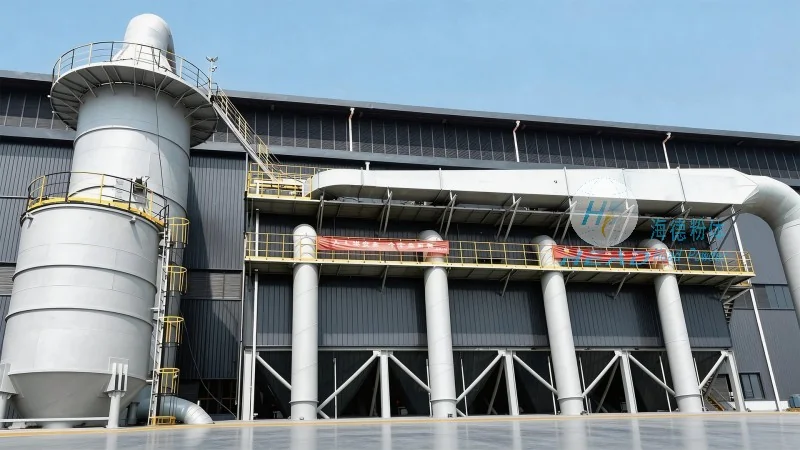
Choosing the Right Partner: Shandong HeadPowder Engineering Co., Ltd.
For businesses seeking reliable and efficient pneumatic conveying solutions for their waste handling processes, partnering with a experienced and knowledgeable provider is crucial. Shandong HeadPowder Engineering Co., Ltd., a leading company based in Shandong, China, specializes in designing and manufacturing customized pneumatic conveying systems tailored to the unique needs of waste handling facilities. With a focus on quality, innovation, and customer satisfaction, HeadPowder offers a range of solutions that address the specific challenges of waste transport. The company's expertise in material handling and pneumatic systems allows them to provide comprehensive support, from initial system design and engineering to installation and after-sales service. By choosing HeadPowder, waste handling facilities can benefit from advanced technology, optimized performance, and long-term cost savings, ensuring their operations run smoothly and efficiently.

 Công ty TNHH Kỹ thuật Công trình Bột Hải Đức Sơn Đông
 156-6277-7102(Quản lý Trương)
  0531-83386006
  Quận Chương Khâu, Thành phố Tế Nam, Tỉnh Sơn Đông, Trung Quốc
Điện thoại
WeChatTư vấn
Lên đầu