Công ty Hải Đức Bột với hơn 10 năm kinh nghiệm vận chuyển khí, cung cấp hệ thống‑thiết bị‑quạt gió và nhận dự án tổng thầu bột cả nước
When it comes to managing clay ash in industrial processes, selecting the appropriate pneumatic conveying system is crucial for efficiency and reliability. The right system ensures that clay ash is transported safely and effectively, minimizing downtime and operational costs. This guide will walk you through the key considerations to help you make an informed decision.
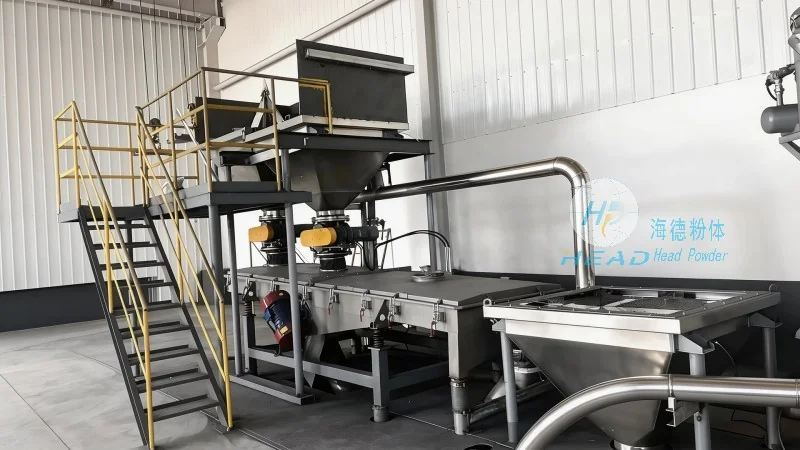
Understanding the Role of Pneumatic Conveying in Clay Ash Handling
Pneumatic conveying systems use air or other gases to transport bulk materials like clay ash from one location to another. This method is particularly suitable for handling fine or dusty materials, as it avoids the need for mechanical components that could cause wear or contamination. For clay ash, which often has a high moisture content and abrasive properties, a well-designed pneumatic system can enhance material flow and reduce equipment maintenance.
Key Factors to Consider When Choosing a Pneumatic Conveying System
The selection of a pneumatic conveying system for clay ash handling depends on several critical factors. First, the material characteristics of the clay ash must be evaluated. Properties such as particle size, density, moisture content, and abrasiveness will influence the type of system best suited for the application. For example, if the clay ash is fine and has high moisture, a positive pressure system might be more effective to prevent clogging and ensure consistent flow.
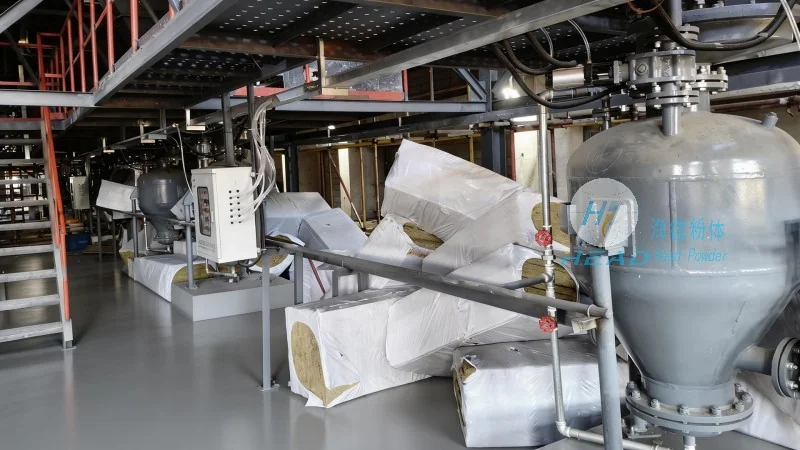
Second, the operational requirements of the process need to be considered. The distance over which the clay ash must be conveyed, the required flow rate, and the desired system pressure all play a role in determining the appropriate system. Additionally, the layout of the facility and the existing infrastructure can impact the choice of system, as some systems may require more space or integration with existing equipment.
Types of Pneumatic Conveying Systems for Clay Ash
There are primarily two types of pneumatic conveying systems used in clay ash handling: positive pressure and negative pressure systems. Positive pressure systems use a blower to force air and material through the system, making them ideal for long-distance or high-volume applications. These systems are often more efficient for transporting clay ash that is prone to clogging due to its fine particle size. On the other hand, negative pressure systems use a vacuum to draw material into the system, which can be suitable for shorter distances or when the material is less abrasive.
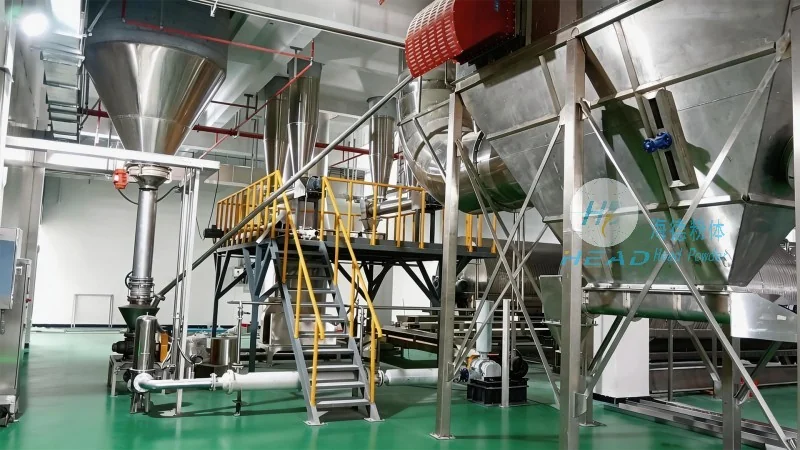
Importance of System Design and Installation
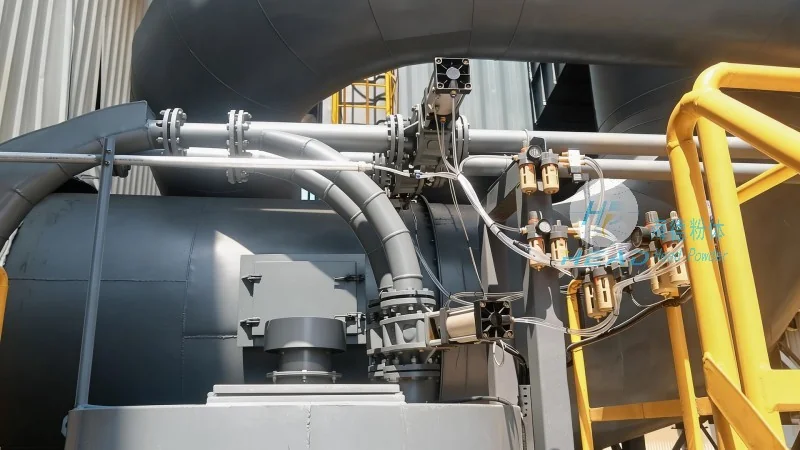
The design and installation of the pneumatic conveying system are critical to its performance and longevity. A properly designed system will account for the specific characteristics of the clay ash, ensuring that the system can handle the material's flow properties without excessive wear or blockages. For instance, the use of appropriate ducting materials and fittings can prevent corrosion or wear from the abrasive clay ash particles. Additionally, the system should be installed with proper ventilation and safety measures to protect personnel and equipment from dust and pressure-related hazards.
Conclusion: Partnering with a Specialized Engineering Company
Choosing the right pneumatic conveying system for your clay ash handling process requires a thorough understanding of the material's properties and the operational requirements of your facility. By considering factors such as material characteristics, system type, and design, you can select a system that maximizes efficiency and minimizes operational challenges. For expert guidance and customized solutions, consider partnering with a specialized engineering company like Shandong HeadPowder Engineering Co., Ltd., based in China, which has extensive experience in designing and implementing pneumatic conveying systems for industrial applications.

 Công ty TNHH Kỹ thuật Công trình Bột Hải Đức Sơn Đông
 156-6277-7102(Quản lý Trương)
  0531-83386006
  Quận Chương Khâu, Thành phố Tế Nam, Tỉnh Sơn Đông, Trung Quốc
Điện thoại
WeChatTư vấn
Lên đầu